
Why MIRACLE · From brief to supply
Masterbatch quality.
A stronger material choice.
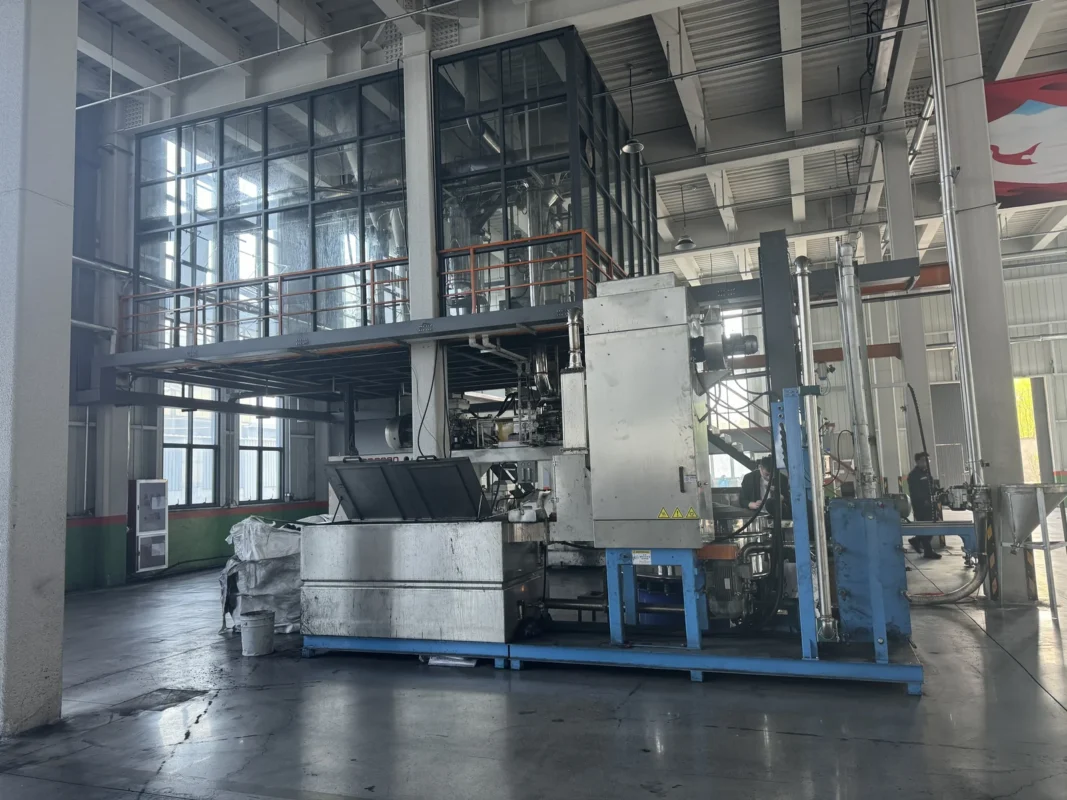
Masterbatch manufacturing, in-house development and TPE / TPU production. Connected by a practical focus on your product, process and supply needs.
Understand.
Develop.
Follow through.

01 / Formulation conversations
Begin with the outcome.
Build the material brief.
A useful material conversation begins with what you want to make. Our in-house development capability brings the application, polymer system and desired result into the same discussion.
Your finished product
Tell us the application, how the part or fabric is used, and the outcome you want to achieve. Photographs or an existing sample help establish the context.
Your color or material target
Share a color reference, appearance requirement or desired flexible feel. For an elastomer enquiry, include your hardness and performance targets where available.
Your resin and process
Let us know the base polymer, processing method and current material specification. These details help make the discussion relevant to your production conditions.
Your supply requirements
Include the estimated quantity, destination and any documentation or packing requirements. A complete brief helps bring technical and purchasing needs together.
Color development / The finished result
Color masterbatch
in the finished product.
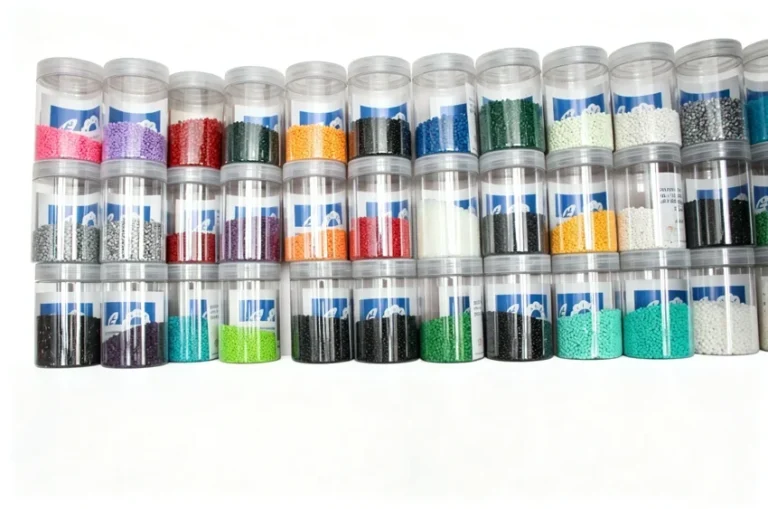
MIRACLE’s color, black and white masterbatch portfolio supports different appearance goals. Our development focus connects the desired shade with the material and process that will bring it to life.
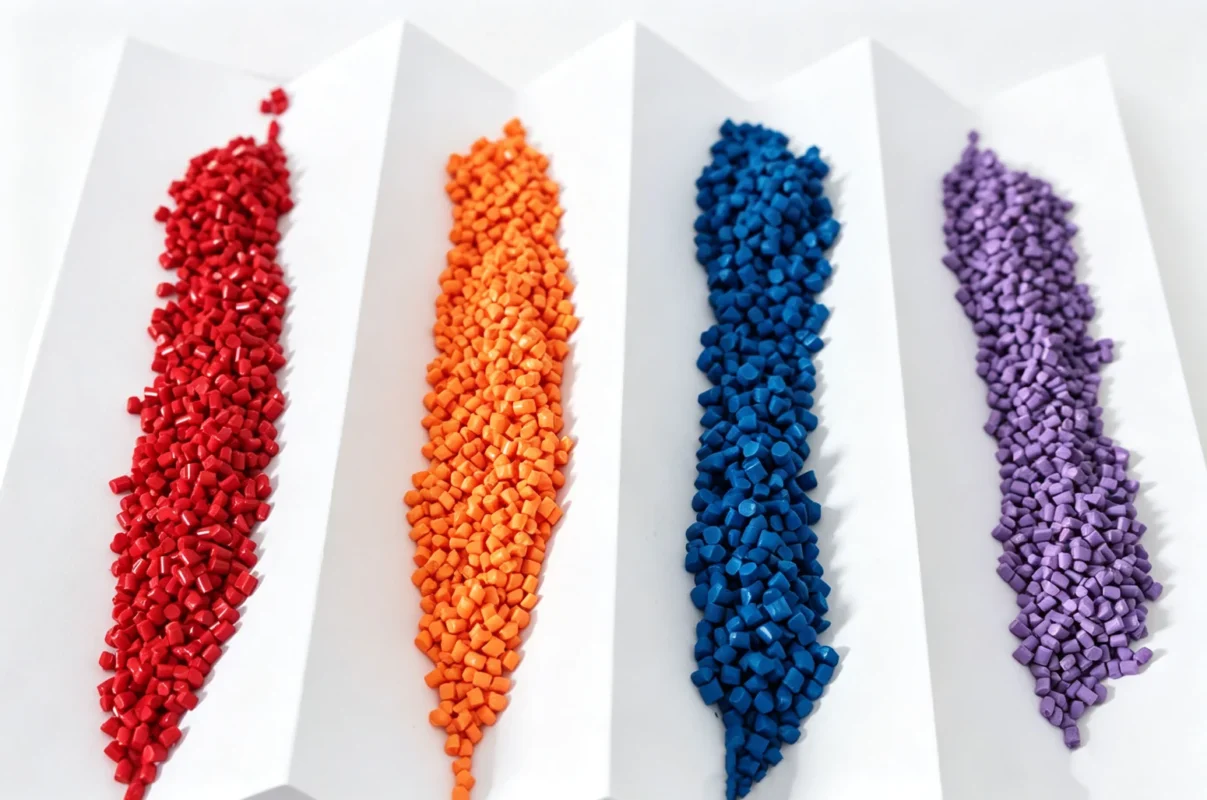
A defined visual direction.
Color families make it possible to explore vivid, subtle or neutral appearances. A physical reference establishes a more useful starting point than a color name alone.
Beyond the color itself.
Opacity, translucency, surface texture and lighting influence how a plastic article looks. A smooth molded part and a textured surface can present the same color differently.
A common reference for review.
Evaluating the intended resin, part thickness and viewing conditions together makes color comparisons more meaningful. This connects the approved appearance to the product your customer will see.
One color brief, several material considerations. The aim is to develop an appearance that makes sense in the finished product and its production context.
02 / A connected material portfolio
The right conversation
for every material family.
Color, carrier and application belong in one brief. Our range brings masterbatch and thermoplastic elastomers into a single sourcing conversation.
PE / PP masterbatch
Your base resin, processing method and color or functional objective.
Non-woven masterbatch
Your polymer system, fabric application and finished color reference.
PET masterbatch
Your PET resin, production process and target appearance.
TPE & TPU
Your part design, desired feel, hardness target and processing needs.
The compatibility advantage
Connect the formulation
to the way you process.
Carrier choice gives a masterbatch its connection to the base polymer. MIRACLE’s PE / PP and PET ranges provide different starting points for development, while non-woven grades address a distinct production context.

Polyolefin applications
Base resin and processing method help define the relevant color or functional concentrate. Compatibility, addition level and finished appearance belong in the same evaluation.
A polyester starting point
PET-based masterbatch brings a dedicated carrier route to polyester enquiries. The resin specification and actual processing conditions remain part of selecting a suitable grade.
A different form of material
Non-woven production turns material into a fabric structure. Its color brief therefore needs to be considered in the finished fabric, alongside the polymer and manufacturing process.
Resin compatibility and processing conditions help narrow the formulation route.
Appearance and the required material behavior provide the basis for evaluation.
Thermoplastic elastomer production
When feel becomes
part of the function.
The expansion into TPE and TPU production gives MIRACLE a broader material foundation. It brings flexible parts, tactile surfaces and elastomer requirements into the same relationship as masterbatch development.
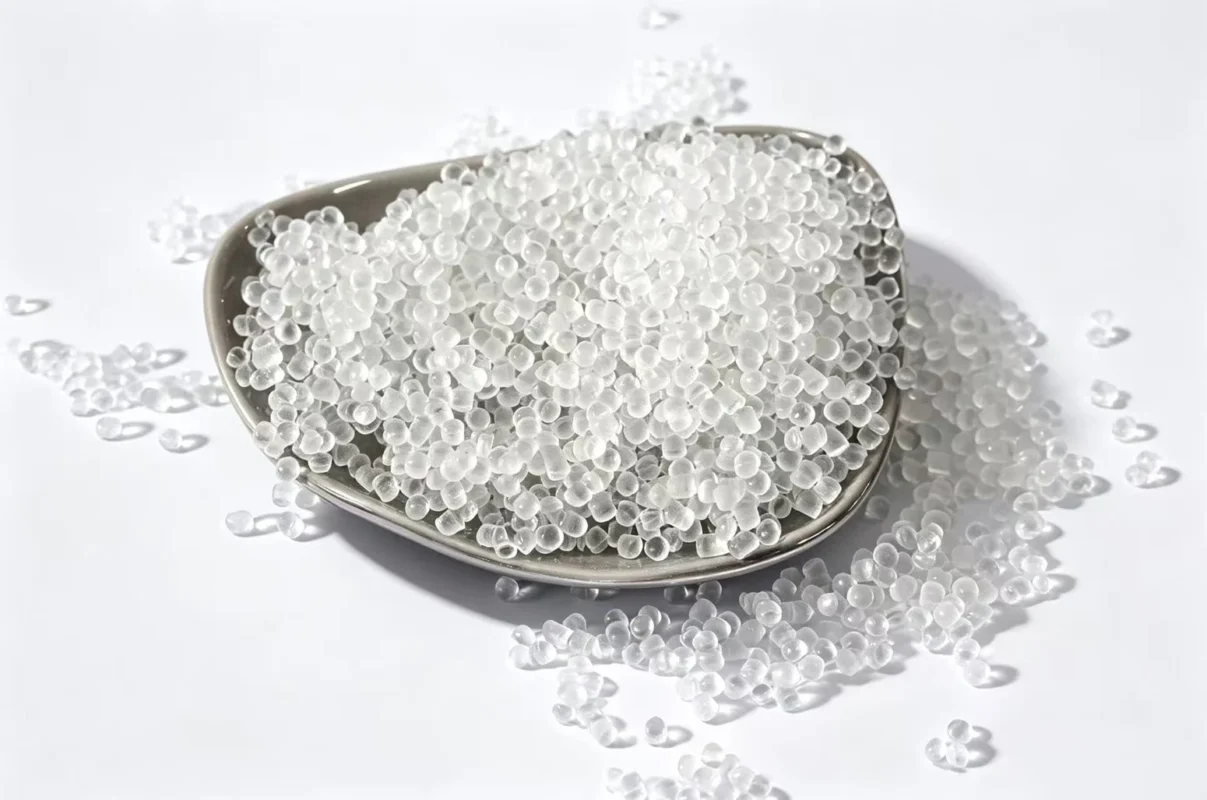
Flexibility with processing versatility.
Thermoplastic elastomers combine elastic behavior with thermoplastic processing. The available material options create room to consider both the way a part feels and the way it is manufactured.
A family name is a starting point.
Hardness, strength, elongation and surface characteristics describe different aspects of a flexible material. They need to be considered together with the design and operating conditions of the actual part.
Contact & comfort
Flexible consumer goods, grips and fitness-related products bring touch and user interaction into the material brief.
Behavior in the part
Automotive and other component enquiries connect material selection to the part’s required movement, strength and use conditions.
A relevant evaluation
The final grade and processing route are evaluated for the application; performance is specific to the selected material.
03 / Quality in focus
A closer look at
polymer testing.
In-house development and quality control support the work behind our materials. Our approach links material checks with attention to consistency throughout production.

Space to investigate.
Equipment to evaluate.
Laboratory and material development facilities.
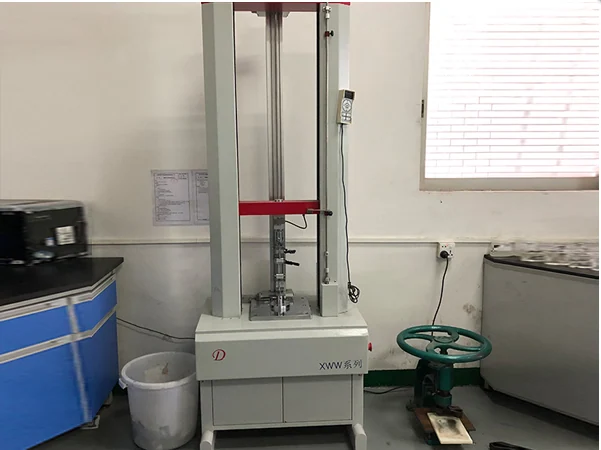
Tensile testing equipment
A closer look at material response.

Hardness evaluation
Relevant detail for flexible material discussions.
A defined requirement makes a useful test. Test methods, sample conditions and requested documents should be confirmed for the material and application under review.
Manufacturing discipline
Quality through
production.
MIRACLE’s quality approach connects incoming materials, processing conditions and ongoing checks. It brings quality review into production itself, with individual responsibility reinforced by checks between colleagues. Together, these practices support a continuing focus on production consistency.
Start with raw materials.
Incoming materials are monitored against defined requirements, creating the starting point for consistent manufacturing. Attention begins before the material enters the process.
Keep the process stable.
Control of processing conditions supports continuity during manufacture. A steady process provides a more reliable basis for evaluating the material as production progresses.
Check early. Sample during production.
Initial examination is followed by samples taken at set intervals during manufacturing. These checks keep quality review connected to the ongoing production run.
Build responsibility into the work.
Employees check their own work and participate in cross-checks with colleagues. This combines individual attention with another perspective on the manufacturing activity.
Making evaluation meaningful
Look beyond
a single result.
Our laboratory environment includes equipment for material preparation and mechanical evaluation. The value of a result comes from knowing which question it answers, and the sample conditions behind it.


- 01 Appearance
- Shade, opacity and surface condition describe the visual outcome. Consistent sample preparation and viewing conditions help make comparisons useful.
- 02 Material uniformity
- Dispersion and visible variation connect the concentrate to the finished article. A sample made in the intended resin gives the review a practical basis.
- 03 Mechanical behavior
- Hardness, tensile response and other relevant characteristics address different performance questions. The required test method and acceptance criteria depend on the grade and end use.
- 04 Conditions & context
- Sample geometry, preparation, conditioning and test conditions matter when comparing results. A useful record keeps those details connected to the material reference.
Equipment photographs illustrate our working environment. The evaluation plan and available documentation are confirmed for the particular project.
04 / From development to production
A clear brief.
A considered next step.
Manufacturing experience matters most when it connects to your requirements. Keep the material specification, evaluation and order details aligned as your project moves forward.

-
01
REVIEW
Understand the requirements
The application, resin system and target result provide the starting point for our technical conversation.
-
02
DEVELOP
Discuss a material route
Explore a relevant masterbatch or elastomer option. Sample availability and evaluation needs can be discussed for the proposed grade.
-
03
ALIGN
Confirm the order details
Bring the agreed specification together with quantity, documentation, packing and the production schedule before order confirmation.
-
04
PREPARE
Plan the supply requirements
Review destination, shipping arrangements and the information your team needs to receive and identify the material.
From trial feedback to a working reference
Make every observation
useful to the next step.
MIRACLE brings production experience and in-house development into the material conversation. Trial feedback adds the perspective of the customer’s own process, helping connect the proposed grade to what happens in the finished article.
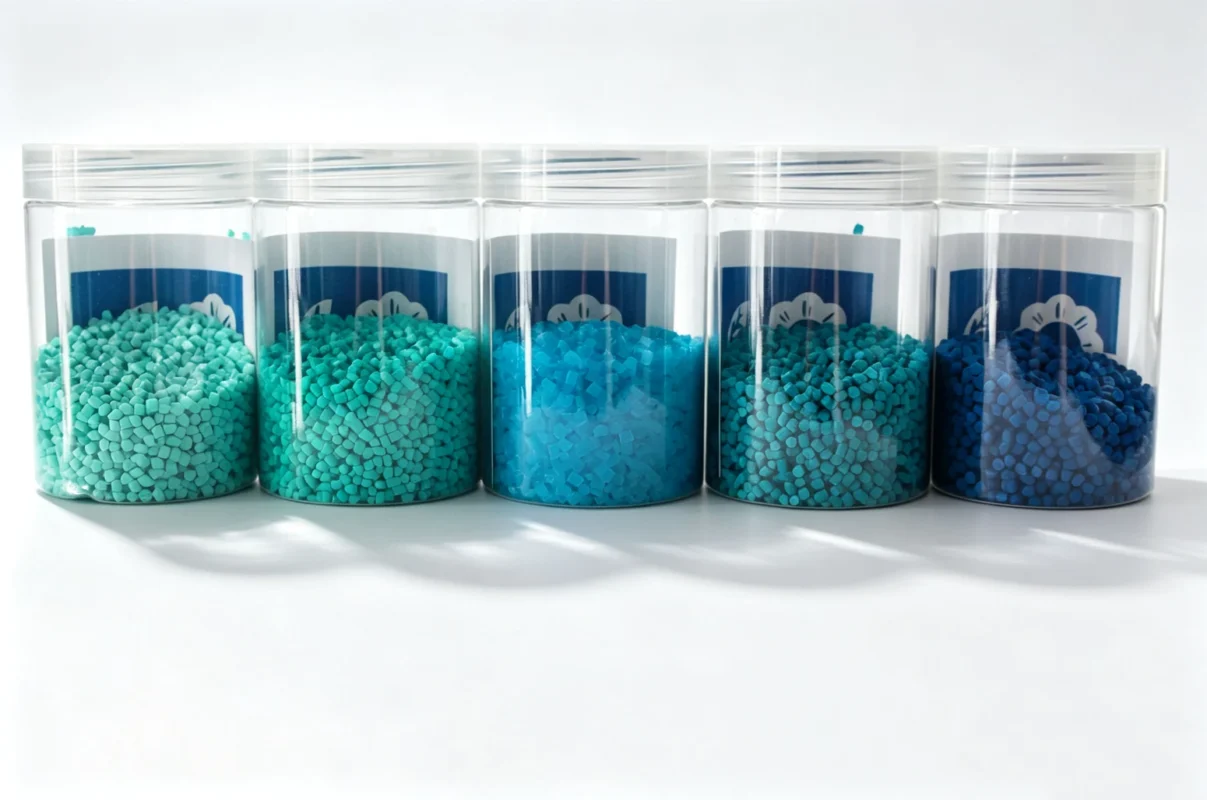
Know what was run.
The resin grade, masterbatch reference, addition level and processing settings create the context for a trial. Keeping these details together makes the observation easier to interpret and discuss.
Describe what changed.
A useful review separates color, surface appearance and material behavior. Retaining a sample or clear reference keeps the conversation connected to a visible result, alongside the recorded processing conditions.
Keep the reference clear.
When a direction is agreed, the material reference and relevant evaluation details form the basis for the order discussion. Later changes in resin, process or requirements can then be identified clearly.
Useful feedback connects technical and purchasing teams. A shared material reference helps both sides understand what is being evaluated and what is ultimately being ordered.
05 / Information for informed decisions
Clear requirements.
Useful documentation.
A supplier review needs information that applies to your purchase. Tell us the material grade, end use and destination so we can discuss the relevant company, product and shipment documents.
For requests involving ISO 9001, REACH, HALAL, KOSHER or D&B, specify the documentation your purchasing team needs. Availability and applicability should be confirmed for the selected grade and market.
06 / International B2B supply
Practical support
beyond the pellet.
MIRACLE serves international business customers with a material portfolio supported by production experience and straightforward communication. Start the supply conversation with the details that matter to your receiving team.
Make the requirements clear.
Share your preferred pack format, order quantity and any identification or labeling requirements.
Plan around your destination.
Include the delivery location and target schedule. Shipping terms and timing are confirmed for the order.
Order execution / Timely delivery
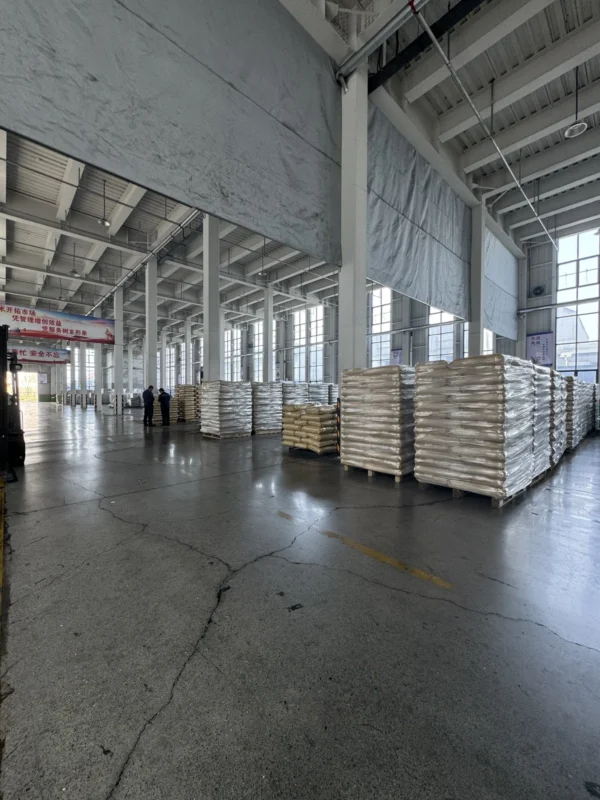
Ready in the warehouse.
On time for your production.
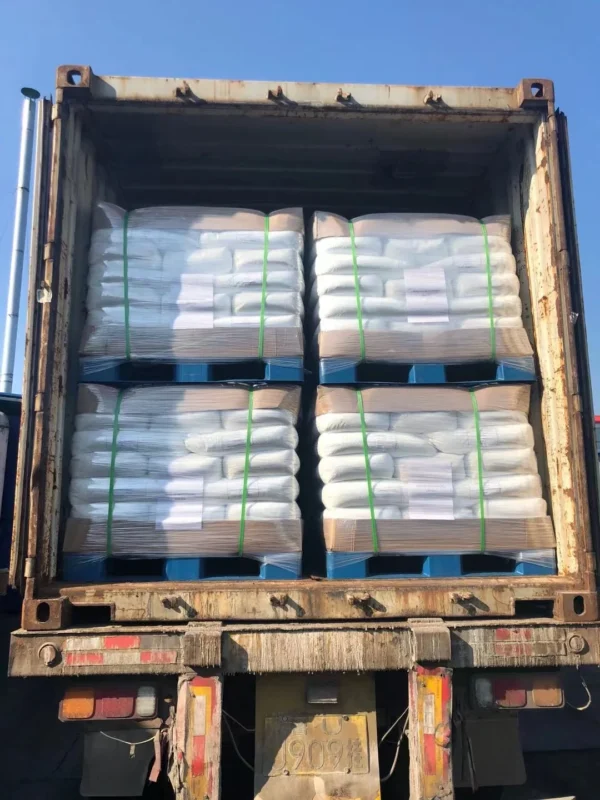
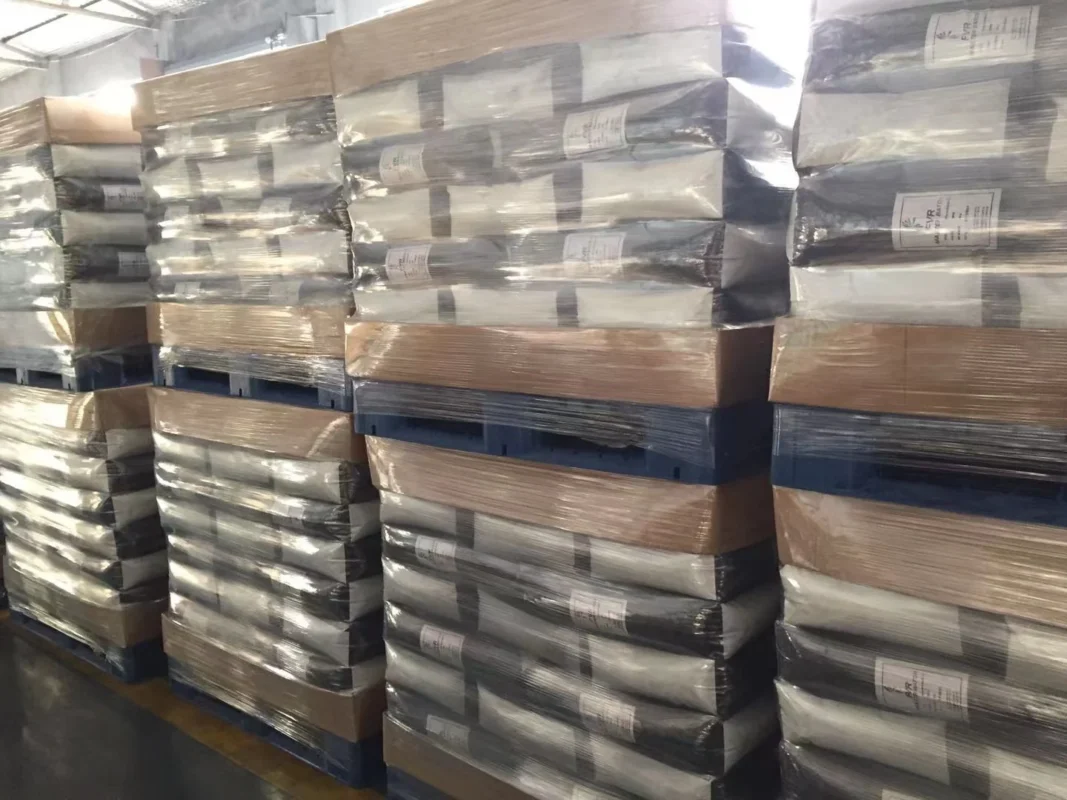
Timely delivery starts with clear order planning. We coordinate packing, warehouse preparation and dispatch around the agreed quantity, destination and delivery schedule.
Confirm the delivery schedule.
Share your required arrival date, destination and order quantity. We review production, packing and shipment arrangements together so the delivery plan supports your operations.
Prepare and identify each order.
Warehouse preparation keeps product references, quantities and labels connected. Packing and pallet arrangements can be discussed to match your receiving and handling requirements.
Coordinate dispatch and follow through.
We coordinate dispatch against the agreed schedule and communicate shipment information for receiving preparation. Clear order references also help keep repeat deliveries consistent.
From warehouse preparation to shipment coordination, our focus is a clear order handover and timely delivery against the agreed plan.
07 / Buyer questions
A few details.
A better beginning.
Useful starting points for your next masterbatch or elastomer enquiry.
Can you review a new color or material requirement?+
Share the application, base resin, color reference or material target, together with your processing method. MIRACLE’s in-house development team can discuss the relevant product options and the information needed for further evaluation.
What helps you discuss a suitable grade?+
A clear brief includes the finished product, polymer system, process, target appearance or performance, and estimated quantity. For TPE / TPU, include the desired hardness and flexible feel where known. Photos, drawings or existing material references are useful context.
Can I request samples or testing documents?+
Yes. Include your selected product family, evaluation needs and destination in the enquiry. Sample availability, test information, applicable documents and any associated arrangements are discussed for the specific grade and project.
Is every grade suitable for every application?+
Material selection is specific to the resin system, process, end use and market requirements. Tell us any regulated-use or documentation requirements at the start of the discussion, and confirm the proposed grade through the appropriate evaluation.
What should I include for a repeat order?+
Send the previous grade or order reference, the required quantity and destination, and note any changes in resin, process, specification or packaging. Your preferred delivery date helps us discuss the current production and supply arrangements.
Your next material conversation
Bring the requirement.
Let’s explore the possibilities.
Masterbatch · Non-woven · PET · TPE & TPU