
Blog
Inside a Functional Masterbatch Manufacturer’s Route from Brief to Production


Before a PP component can be approved for production, someone has to translate “add a function” into a material decision that the factory and buyer understand in the same way. That is where a functional masterbatch manufacturer becomes more valuable than a name on a quotation. MIRACLE brings masterbatch production, in-house development and material evaluation into the discussion, helping industrial buyers connect their finished-product requirements with a proposed material route.
For a converter, engineering customer or distributor, the first step is to define the polymer, process and behavior being requested. Our functional portfolio includes anti-aging, UV, PPA, antistatic and antiblocking options. The development conversation then needs to establish which requirement matters, how the result will be evaluated and what information should follow the material into an order.
What a functional masterbatch manufacturer can connect before the first trial
MIRACLE’s material-development approach begins with an outcome rather than an assumption about a recipe. A color reference, existing sample or clear functional requirement helps establish the starting point. The base resin and manufacturing method provide the processing context. Together, these details make a proposed material more relevant to the buyer’s actual production environment.
Suppose a buyer is sourcing material for a molded PP consumer component. The part may have an approved appearance, a textured surface and a new use-related requirement. If purchasing passes on only the desired function, the appearance and processing context can be lost. A more useful brief carries those requirements together, so a functional change is not evaluated separately from the finished article that must be accepted.
PP component requirements need more than a function name
Describe how the component is made and used, not only the property word requested by the customer. The material reference, production process, intended environment and visible finish all help frame a meaningful discussion. Where a measurement is required, identify the question it should answer. A broad description such as “improved performance” gives neither the development team nor the buyer a dependable approval basis.
Our in-house development and production approach keeps these inputs connected. The practical benefit for a buyer is a clearer progression from the original requirement to the material being considered, rather than a series of disconnected exchanges about color, function and delivery.
If your team is still deciding which functional direction to discuss, the MIRACLE material-fit guide for functional concentrates separates the main product objectives before the manufacturing brief is developed.
Separate carrier compatibility from the function you want to add
MIRACLE’s PE and PP masterbatch routes and its PET-based family represent different starting points. A carrier is part of how a concentrate is introduced into a base polymer; it should not disappear from the specification just because the additive function receives most of the attention. A compatible route must be discussed with the actual resin and processing conditions in view.
In industry terms, functional concentrates can serve very different jobs. Colloids’ functional-additive descriptions distinguish processing aids, antiblocks and stabilizing additives. The useful lesson is the separation of objectives, not the transfer of another manufacturer’s formulation or grade claims to a MIRACLE product.
PE and PP masterbatch cannot be treated as a default PET route
For a customer moving between polyolefin products and polyester articles, the masterbatch family should be identified explicitly. Our PET masterbatch range offers a dedicated carrier route for PET discussions. A purchasing record that says only “functional material” would fail to preserve that important distinction, particularly when multiple material families are handled by the same receiving team.
A similar discipline applies to nonwoven masterbatch. The color and appearance are assessed in a fabric structure, with the polymer and manufacturing process supplied as part of the brief. This is different from assuming that an acceptable molded color sample resolves the needs of a fabric customer.
For the PP component team, the division of responsibility can be simple and concrete. Engineering supplies the actual resin reference and the reason for the functional request. Production explains the processing route and any observations from the current material. Purchasing records which proposed concentrate and color references belong to that project. These contributions prevent the manufacturer from being asked to interpret an incomplete request without the context available inside the customer’s own factory.
When a later discussion concerns PET or nonwoven material, start a separate application reference rather than overwriting the PP brief. The shared supplier relationship makes communication easier, but the resin and finished form still define different decisions. MIRACLE’s breadth is most useful when it supports that separation: the buyer can discuss several material routes with one manufacturer while retaining the information needed to evaluate each route responsibly.
One manufacturer can discuss several material families without making those families interchangeable. The value is a connected technical relationship with clearly separated application references.
Color development gives the functional request a finished-product reference
Our color masterbatch offering allows buyers to start with a color reference or physical sample. The development discussion also considers opacity, translucency, surface texture and viewing conditions. These details matter when a functional concentrate is being considered for a product that already has an appearance target.
For example, a distributor might receive one customer request for a smooth white article and another for a textured PP part in a custom shade. Both may involve additional material requirements, but their appearance references should remain separate. The selected color and functional directions need to be evaluated in the relevant finished form, rather than combined under a general statement that the supplier can match colors.
White and custom-color PP parts need comparable sample preparation
MIRACLE’s white, black and custom-color families give the discussion different visual starting points. When reviewing a white article, preserve the agreed tone and opacity objective. For a custom shade, record the reference and the surface on which it will be judged. Part thickness and viewing conditions can affect the comparison, so they should be considered with the sample rather than reconstructed from memory later.
The buyer does not need an invented universal tolerance to make this exchange useful. A defined reference, an agreed preparation route and a clear description of what is acceptable can support a more focused review. Numerical acceptance limits, when required, belong to the specific project and should be agreed rather than assumed from a general product introduction.

For a functional masterbatch manufacturer, production checks must stay connected to the material
MIRACLE’s published quality approach starts with incoming materials and continues through manufacturing. Initial examination is followed by sampling at intervals during production. Employees check their own work, with cross-checks providing an additional perspective. This combination brings attention to material consistency into the manufacturing activity rather than leaving it solely to an end-of-order discussion.
For an industrial purchaser, the relevant question is how that approach relates to the material being considered. A color observation, a processing observation and a mechanical result are not equivalent records. Ask what the agreed review is meant to establish and how the sample reference will be kept identifiable. This is especially important when engineering evaluates one aspect while purchasing is responsible for the approved order description.
Antistatic evaluations should preserve their sample conditions
Our antistatic range is a functional route, not a claim that every proposed grade behaves identically in every environment. General Ampacet technical guidance notes that migratory antistatic behavior is influenced by factors such as conditioning and humidity. Those considerations explain why an evaluation needs a defined basis; they do not identify the chemistry of a MIRACLE grade.
A film converter and a component manufacturer may therefore need different discussions even when both use the word antistatic. The intended use, sample form and agreed assessment should travel with the material reference. That makes the comparison more useful than a sample described only as good or bad after it has been stored or handled under unknown conditions.
Use the evaluation equipment to answer a defined polymer question
MIRACLE’s material information shows hardness-evaluation and tensile-testing equipment, together with other laboratory and processing facilities. These illustrate the working environment behind our development and quality conversations. The presence of equipment is most useful to a buyer when the test question, sample preparation and relevant method have been established for the material under review.
Hardness addresses one aspect of material behavior; a tensile assessment addresses another. Neither should be used as a general substitute for the finished product’s acceptance requirements. If the project concerns an appearance change in a molded PP article, a mechanical result alone does not approve the color. If a flexible-material requirement is also involved, the relevant mechanical questions should be specified for that part.
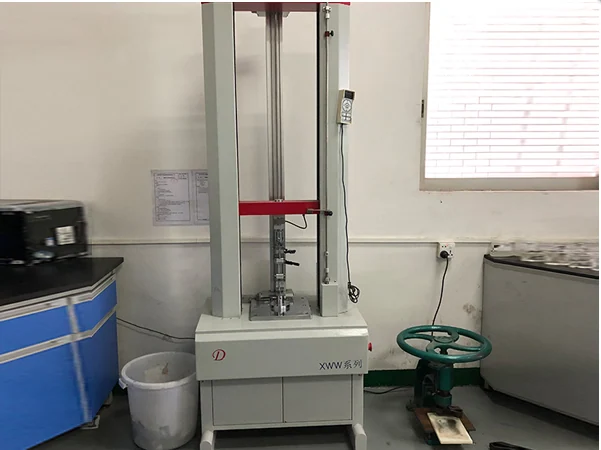
Our wider TPE and TPU activities provide another reason to keep requirements precise. Flexible feel, hardness, strength and surface characteristics describe different aspects of a component. A buyer discussing a concentrate for one project and an elastomer for another benefits from maintaining two clear material references, even when the manufacturer relationship is shared.
Make processing feedback useful to the manufacturing discussion
Once a trial has been run, useful feedback states what was processed and what was observed. MIRACLE’s development approach asks for the resin grade, material reference, addition level and relevant settings so the result can be interpreted in context. Separate shade, surface appearance and material behavior instead of treating them as a single impression.
PPA projects show why that distinction matters. A surface-related extrusion objective needs a clear description of the original condition and the comparison used to assess the proposed material. 3M’s processing-additive overview describes this family in relation to extrusion issues. Its information is not a MIRACLE operating recipe, trial duration or guaranteed productivity improvement.
A UV or anti-aging requirement has a different evaluation focus. The application and intended environment must be identified before the buyer accepts a general durability statement. Avient’s light-protection explanation also separates protection of the polymer from protection of sensitive contents. The objective selected for your MIRACLE discussion should be equally explicit.
When the trial direction is agreed, retain the reference that actually produced the reviewed result. If the buyer later changes resin, color, part geometry or operating conditions, identify that change rather than assume the earlier observation carries over unchanged. This preserves the usefulness of development work as a project moves toward a production order.
Confirm the production order around the agreed functional-material reference
MIRACLE combines manufacturing and technical communication with support for international supply. The selected material, quantity, packing requirements, destination and schedule should describe the same order. If two concentrates are being supplied together, clear identification helps the buyer’s warehouse and production staff distinguish their roles without relying on pellet appearance.
For a PP molding customer, that might mean keeping the custom-color reference separate from the functional reference while recording their agreed use in the project. For a distributor managing several processors, it means preserving customer-specific references rather than merging them into one general functional-masterbatch description. These are practical ways to carry the development decision into the supply conversation.
Documentation needs the same discipline. A general company profile can introduce MIRACLE’s business and working approach, but the technical and market documents requested for a proposed material should be confirmed against its grade, intended use and destination. Fixed capacity, minimum quantity, pack format and delivery commitments are not implied by a general manufacturing description; they are matters for the actual order.
Before approving your next production material, put the finished article, proposed concentrate and agreed evaluation reference beside one another. If engineering can identify the result being accepted and purchasing can identify the material being ordered, the manufacturer’s work has become useful to both teams. That is the kind of connected, application-led relationship MIRACLE aims to build around functional masterbatch.