
Questions a PET Masterbatch Manufacturer Must Answer About the Processing Window
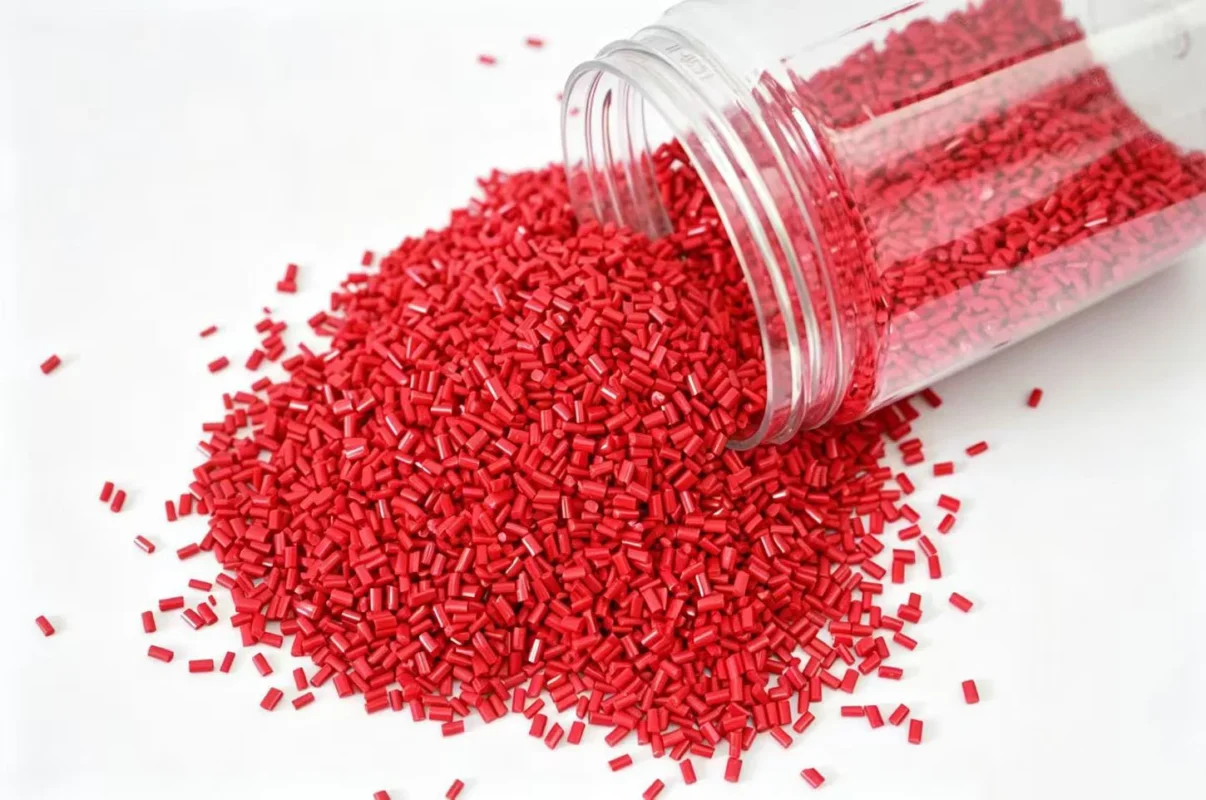
If a PET color trial changes after the factory changes material preparation or processing conditions, the concentrate is only one part of the explanation. A PET masterbatch manufacturer needs the actual resin, proposed color material and relevant process history to interpret the result. MIRACLE offers a dedicated PET carrier family, custom-color discussions for glossy plastic products and in-house development supported by pilot-scale evaluation. Use that manufacturing connection to define the trial, not to borrow a generic drying recipe.
Start by stating what changed and what the product is supposed to demonstrate. Keep a transparent-color objective separate from an opaque appearance target, and retain the actual sample form. The most useful manufacturer exchange connects the material proposal with the conditions under which the finished article is being evaluated.
Give the PET masterbatch manufacturer the processing question, not only the color complaint
A processor may report that a PET sample no longer looks like the accepted reference after a preparation or machine change. Before asking for a different formulation, identify the actual observation and the known changes. A tone difference, visible mark and separate material-behavior concern are not interchangeable descriptions of the same problem.
MIRACLE’s PET masterbatch family provides the relevant carrier starting route. Its enquiry guidance asks about the resin, processing conditions and finished-product requirements. Those inputs make the proposed material easier to discuss than a broad instruction to supply a more stable color with no identified process behind the request.
The buyer should retain the selected concentrate reference and actual PET resin throughout the exchange. If the sample was prepared in another system, say so. The material team can then understand whether it is reviewing a repeat trial, a changed process or a different application that shares only the original color direction.
PET resin identity should remain visible through the color trial
A familiar appearance does not make two resin situations identical. Identify the actual PET used in the comparison, including any known change relevant to the trial. Do not turn a broad family label into an assumption that every proposed concentrate has been evaluated in every resin or product form.
MIRACLE’s dedicated carrier family is useful because the polyester enquiry is not forced into an existing PE/PP color discussion. The buyer can retain the design objective while the manufacturer reviews a material proposal for the actual polymer route and manufacturing context.
PET preparation information should follow the selected materials
The appropriate preparation guidance needs to relate to the actual resin and concentrate under review. Avoid selecting a temperature or time from another supplier’s product and treating it as a universal instruction. A precise number can still be wrong for the decision when the material, equipment or preparation basis differs.
MIRACLE’s current grade-related information should be discussed against the project requirements. If a particular field or document is needed, identify it explicitly. A proposed instruction should be confirmed for the relevant material rather than inferred from a general description of glossy PET products.
PET appearance feedback should say what the customer actually sees
Identify whether the problem concerns hue, transparency, hiding, surface or another observed feature. Keep the reference and candidate connected to their sample forms and comparison conditions. A photograph can explain a concern without becoming a replacement for the agreed physical or measurement basis used to accept the material.
A product developer may change geometry while production changes preparation conditions. If both occur, report both before interpreting the latest sample as a direct repeat of the earlier approval. The next material discussion should be able to distinguish the intended design from the changes around it.

Understand why moisture belongs in the PET process discussion
PET processing involves preparation considerations that should not be copied blindly from polyolefin handling. The buyer should establish the applicable guidance for the actual materials and equipment. This is a reason to make the processing question specific, not a reason to publish an unsupported universal instruction for every concentrate in a PET portfolio.
Alpek’s PET resin information explains that absorbed moisture can contribute to hydrolytic degradation during melt processing. That is general polyester-processing context; the named resin’s temperatures, times and other instructions are not MIRACLE masterbatch specifications.
For a MIRACLE proposal, distinguish the resin manufacturer’s instructions from any concentrate-related guidance relevant to the selected material. If the customer needs clarification about how they apply together, make that part of the technical enquiry. Do not assume that the existence of a PET carrier family answers every preparation question automatically.
The same boundary applies to photographs. MIRACLE’s laboratory and production images illustrate its working environment. They do not establish a particular PET drying configuration, residual-moisture limit or test result. An equipment image should not be treated as a technical instruction that the selected grade has not actually provided.
Keep thermal history connected to the actual PET trial
If the factory changes a process setting or the material’s preparation history, retain that information with the sample. The manufacturer needs to know which conditions define the comparison before it can consider whether the proposed color route is relevant to the new result. A color complaint without the changed conditions leaves too many explanations unresolved.
This does not mean every change causes a visible failure or that a single observation proves degradation. Those conclusions require relevant evidence. It means the buyer should separate the observation from the proposed cause and avoid selecting a formulation remedy before the process context has been established.
MIRACLE’s pilot-scale preparation and in-house development support a focused discussion about the proposed material. The customer’s own process information remains essential. A pilot sample can help explore a direction while the converter’s trial establishes what happens in the actual product and line under the agreed evaluation basis.
Do not turn glossy PET color into an unconfirmed optical or regulatory claim
A glossy surface and a see-through article are different appearance descriptions. State the intended transparency or opacity as well as the color. MIRACLE’s PET range can be discussed around these objectives without inventing a haze figure, a numerical gloss target or a claim that every color route meets the same optical requirement.
The appearance decision should also remain separate from end-use documentation. A material that looks suitable has not thereby established food-contact, medical or other regulatory approval. Identify the intended use, destination and required information so the selected proposal can be reviewed against the actual application.
Keep requested and confirmed information distinguishable. A downstream customer should not receive an expected declaration described as though it has already been issued. The manufacturer relationship is more useful when the proposal’s scope is clear than when broad company credentials are expanded into an unsupported claim about every PET color.

Use the wider MIRACLE range without importing the wrong process assumptions
MIRACLE’s PE/PP custom colors, white and black families provide other starting routes for plastic coloring. They should not supply unreviewed process instructions for a PET proposal. The white series’s published 20%–80% TiO₂ range, for example, is not a PET formulation statement.
The nonwoven category identifies a fabric-production context, while the PET label identifies a carrier route. If an enquiry involves polyester fabric, explain the polymer and process together rather than assuming that either one word establishes suitability for the whole application.
MIRACLE’s functional categories likewise provide material topics to discuss, not automatic proof of a compatible package for every PET shade. Keep any additional function explicit and confirm the actual proposal instead of letting a broad portfolio list stand in for a selected grade.
Design the PET comparison so the next observation has a useful meaning
Before another trial, identify its purpose. Is the customer reviewing a different preparation basis, a new color proposal or a revised appearance target? A trial that changes everything at once may produce an observation without giving the parties a clear way to interpret it. The evaluation should remain specific enough to answer the intended question.
Retain the actual quantities and addition basis used. A percentage of total mixture and an amount added on top of base resin are different conventions. Do not assume a verbal dosing note establishes which mixture was prepared, particularly when several people or factories participate in the development exchange.
Keep relevant operating changes within the processor’s established safe practice and the confirmed material guidance. This article does not prescribe a machine adjustment or a universal processing window. Its purpose is to preserve the information that lets the buyer and manufacturer discuss the actual PET result responsibly.
Which PET trial comparisons remain valid after a process change?
A changed trial does not automatically make every earlier observation irrelevant. Identify which question the earlier sample answered and which part of the new preparation or design is different. That helps the manufacturer preserve useful development work while reviewing the actual change, instead of treating every new observation as either a complete failure or an unconditional repeat approval.
| Known change in the PET program | Information to retain with the comparison | Conclusion not established by the change alone |
|---|---|---|
| The actual PET resin differs from the earlier trial | The old and current resin identities and which samples used each one | The concentrate alone caused the changed appearance |
| Material preparation was altered | The applicable material guidance and the preparation history of the compared samples | A generic drying figure from another product is the correct remedy |
| The product changes from transparent color toward hiding | The revised optical objective and the actual product form used for review | The earlier transparent-color sample already releases the opaque design |
| Several participants describe the same percentage differently | The actual resin and concentrate masses, plus the convention behind the percentage | All participants prepared the same final mixture |
| A production observation differs from a pilot sample | The relevant known differences in material, equipment context and sample form | The pilot equipment or the proposed material is universally unsuitable |
MIRACLE’s in-house development provides a practical place to discuss these distinctions. The customer’s process information gives that discussion its relevance. Treat the comparison as evidence about identified samples under known conditions, not as a reason to claim an unmeasured property or assign a cause before the actual PET question has been narrowed.
Keep each changed PET sample identifiable separately from the accepted reference, so a later discussion can distinguish the revised preparation, the original appearance target and the actual material used.
Carry the accepted PET process context into repeat supply
MIRACLE describes incoming-material attention, initial examination and sampling during manufacture. Once a PET material direction is accepted, preserve its selected reference and relevant requirements in the commercial order. A familiar color nickname should not replace the material identity used in the trial.
Packaging can be discussed around bag format, pack size, labels and pallets. If the converter holds several carrier families for a coordinated color range, use the agreed identification to keep them distinct. Similar appearance in storage should not erase the difference between the PET proposal and a polyolefin concentrate selected for another product.
The guide to clear and glossy PET appearance separates the visual objectives. The discussion of carrier fit in custom-color development provides a wider material-selection perspective without replacing the actual PET guidance.
MIRACLE’s dedicated PET family and development capability give the buyer a useful manufacturing relationship. Make the processing question as identifiable as the color reference, retain what changed during the trial and release the selected material against the result and conditions that were actually evaluated.