
Blog
Why a TPE Manufacturer’s Development Process Matters to Your Component Project


A flexible component project rarely ends when the first sample feels acceptable. The buyer still needs to know whether the proposed material can be prepared for the intended process, evaluated against the right requirement and supplied under an identifiable production description. Those are useful questions when evaluating a TPE manufacturer. MIRACLE combines manufacturing and in-house development with a portfolio including TPE, TPV, SBS-based TPE and TPU. For consumer, fitness-related, automotive and other component requests, the development conversation begins with the actual part and the behavior it needs to demonstrate.
Our published approach connects a material brief, preparation, evaluation and production checks. The value for a project team is not an unsupported claim that every soft compound will work. It is the ability to discuss a selected material around the real component and retain a clear basis for the manufacturer review that follows.
Evaluate a TPE manufacturer through the component question it needs to answer
The project should identify the part before it asks for a formulation direction. Share the design or a representative physical reference, describe the manufacturing route and state the required feel or mechanical behavior. If the customer has an existing material specification, include it with the request rather than reduce the whole project to the word TPE.
Imagine a flexible consumer component that must be fitted around another part and then remain useful in the product. The buyer may like the first sample’s softness while the production team is still examining how the actual shape fits. MIRACLE needs those observations together so the development target concerns the component, not an isolated touch preference.
A different project might concern an automotive component with specified movement or another operating requirement. The broader application category helps frame the discussion, but it does not identify an approved grade. Explain the actual requirement and the evidence the customer needs. An automotive enquiry is not a blanket claim of OEM qualification.
Give MIRACLE the flexible part’s design and processing context
Our development brief asks for the finished product, material or polymer information, process and target behavior. Drawings, photographs and existing material references can help make the request specific. Identify which feature needs to flex, fit or meet a contact expectation so the proposed material can be discussed against a recognizable job.
The manufacturing route belongs beside the design. HEXPOL’s processing guidance identifies material choice, geometry, surface finish and processing method as contributors to a finished result. That general relationship is useful context. The settings and claims for its compounds are not instructions or performance evidence for a MIRACLE material.
If the buyer only has an old part and no grade information, preserve what is known and what is not. The physical reference can explain the target without revealing its composition. A manufacturer can discuss a new candidate against the stated requirement; it should not be asked to certify an unidentified material as an exact equivalent from appearance alone.
Use MIRACLE’s material preparation as the start of an evaluation, not its conclusion
In-house development gives the project a route for discussing a candidate and the preparation needed to examine it. Our capability materials show a development extrusion setting and other processing equipment. For the buyer, the meaningful question is which selected material and preparation the sample represents, and what decision that sample is intended to support.
A first specimen may help choose a feel direction or compare one material property. An actual component trial may answer a different question about fit or use. Keep those stages distinct. The manufacturer and converter can make useful progress without presenting the earliest sample as approval of every finished-part requirement.
If one material is prepared in more than one way during development, describe which specimen belongs to each preparation. A material comparison can become confusing when the buyer receives a molded piece, an extruded reference and an actual component without their context. MIRACLE’s sample discussion should make clear which question each is intended to answer, so useful screening evidence is not mistaken for the customer’s complete application assessment.
Suppose a component is revised after the initial review to use a thinner flexible section. Tell MIRACLE about that revision before interpreting the old sample as the current design’s result. The original material work remains useful, but the new construction needs to be identified in the next evaluation.
Keep TPE family names separate from the selected material reference
The TPE, TPV, SBS-based TPE and TPU names in our range identify routes for discussion, not interchangeable grades. Record the selected material being considered for the component. If the family is still open, let the required behavior guide that discussion rather than attach a familiar name before the technical brief is understood.
Our flexible-part material selection guide focuses on the initial feel and family decision. The manufacturer’s development process carries that decision further: preparing an identifiable candidate, examining the relevant properties and connecting the accepted result to the material eventually ordered.
Ask different questions of hardness and tensile evaluation
MIRACLE’s published evaluation approach treats hardness and tensile response as different aspects of material behavior. That distinction helps a buyer avoid asking one measurement to approve an entire component. State the required property, specimen and acceptance criterion with the responsible technical parties before using a result in a purchasing decision.
Hardness evaluation should represent the material question being asked
Our facilities imagery includes hardness instruments. For the selected material, confirm the applicable scale, method and specimen preparation. A value without that context may not be a useful comparison with another sample or with the customer’s impression of a shaped part.
If the buyer accepts a hardness direction but still finds the actual component difficult to fit or operate, report those as distinct findings. The material target has progressed, while the application question remains open. This gives MIRACLE’s development team a more useful next discussion than a broad statement that the compound is either good or bad.

Tensile response and stretch at break do not mean the same thing
A material’s resistance during stretching and how far a specimen stretches before breaking answer different questions. Avient’s TPE technical explanation distinguishes tensile properties and elongation at break. This general distinction is useful when a purchaser receives a test value without knowing what it measures; it is not a MIRACLE grade’s reported performance.
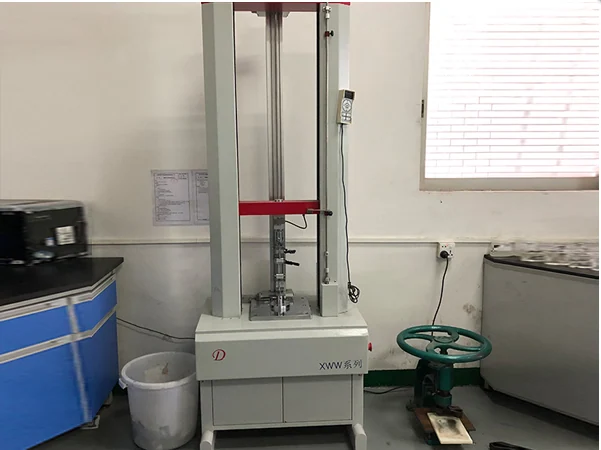
MIRACLE shows tensile evaluation equipment within its working environment. Discuss the test information available for the proposed material and the method relevant to the requirement. A photograph of the instrument cannot supply a numerical result, an accredited laboratory status or an application approval.
For a comparison of reported tensile properties, identify the specimen preparation and, where relevant, the test direction. The Avient explanation also notes differences associated with molded versus extruded specimens and flow direction. This is a reason to ask what the values represent, not to copy an external compound’s performance. Keep the selected MIRACLE material and its own available information at the center of the review.
Retain the reported property name and units when the result moves to purchasing. A force reading, a stress-related property and a percentage elongation are not the same description. The responsible technical team should explain which result answers the component’s requirement. Removing those labels to create a single “strength value” can make a genuine report much less useful for choosing the material.
For a component that must operate through a particular movement, decide how the application will be assessed as well. A break test on a specimen and a functional check on the assembled part have different purposes. Use the relevant material data as evidence without describing it as a complete substitute for the customer’s working condition.
Make TPE sample feedback specific enough for the next development decision
A useful sample review names what was made and what the buyer observed. For the flexible consumer component, that could separate the desired feel from an unsatisfactory fit. For another component, it could distinguish an appearance acceptance from a movement requirement still being examined. These are development situations, not claims of completed MIRACLE customer cases.
Keep the sample identity and preparation information with the observation. If the converter changed the process or design, include that change. The development team can then discuss the actual candidate rather than infer how an unlabeled component was prepared.
For a fit concern, identify the particular feature and operation rather than report only that the material is too stiff. A flexible lip that is difficult to position and a broad contact area that feels firmer than intended can lead to different discussions. The observations do not establish their own remedy, but they give MIRACLE a component-specific target for the next review instead of an undefined request to change the compound.
A strong manufacturer relationship allows the buyer to refine the brief without losing the useful work already done. Preserve the accepted aspect and identify the unresolved one. Asking for everything to be changed after a partly successful trial can discard a good material direction without explaining the problem that needs attention.
Confirm whether a new flexible sample changes the material or the part
If the next trial uses a revised material and a revised component geometry, identify both. The result concerns that combined change. Where the team needs to understand the material difference separately, the responsible engineers should agree a suitable comparison instead of treating every new specimen as a material-only test.
This keeps the development process transparent to purchasing. The buyer can see what has been established, which candidate was examined and what remains to be checked before release. It is a more useful basis for choosing a TPE manufacturer than counting equipment photographs or requesting a hardness number with no application context.
Carry the accepted TPE candidate into a recognizable production supply
Our manufacturing practice includes incoming checks, initial inspection, interval sampling and self and peer cross-checking. In the component project, connect those practices to the selected material reference that the buyer evaluated. The order should describe that material clearly enough that a commercial repeat does not become a substitution based only on similar granule appearance.
Ask which material information and checking records are available for that selected supply. Do not assume that every property discussed during development is measured by the same method at every production stage. Agreement on the relevant evidence helps purchasing understand how the accepted hardness or mechanical direction relates to the actual material order.
Where a product program contains both rigid colored parts and flexible components, preserve their separate material roles. The molded-product material discussion explains why a color concentrate and a complete flexible compound request are different decisions, even when purchasing coordinates them together.
When the accepted development candidate becomes an order, make sure receiving can distinguish it from earlier evaluation material. MIRACLE coordinates warehousing, packing and shipping, with quantities and arrangements confirmed for that selected supply. The component team’s acceptance should point to the material actually released, not to an older sample whose hardness or mechanical direction was still under discussion.
For a component specified by mechanical evidence, confirm which current documents identify the material and the relevant assessment. A tensile result does not establish a separate contact or OEM approval, and a general certificate does not explain a specimen’s preparation. If the customer needs a particular qualification, identify that requirement explicitly instead of allowing an equipment photograph or an unrelated report to stand in for it.
The manufacturer’s development process has done its job when the project team can explain why the selected material belongs in the component. MIRACLE’s preparation, evaluation environment and production checks support that route. The release decision should still name the candidate and the part requirement it genuinely answered, so production supply carries forward evidence rather than only the favorable impression of the first sample.