
Blog
A Film Masterbatch Supplier for Color, Handling and Processing Requirements


The customer buys one film, not separate promises about its color, extrusion and opening behavior. A useful film masterbatch supplier helps the converter bring those requirements into the same material discussion without treating them as the same function. MIRACLE manufactures PE/PP color, black and white masterbatch and lists PPA, antiblocking, antistatic, UV and anti-aging options within its functional range. Packaging and industrial film buyers can start with the appearance they need, then identify the processing, handling and use conditions that the finished construction must satisfy.
Our in-house development approach gives those requirements a common starting point: the actual resin and conversion process. The benefit is a more coherent discussion of the film the customer will receive. It is not an assumption that one concentrate supplies every function or that every material combination is suitable without review.
Give your film masterbatch supplier the complete use path
A material request becomes easier to understand when it follows the film through its working life. Start with the intended visual result, identify the conversion process, then explain how the film is delivered and handled. Finally, describe the environment in which the finished article will be used. Each stage can introduce a different requirement for the material discussion.
Appearance target → resin and film conversion → roll or bag handling → intended service environment.
For a clear protective film, the customer may care about seeing the protected product, separating the film during use and avoiding an unwanted dust-related appearance. A white printed packaging film may place different emphasis on opacity, surface appearance and the converting route. Both are film projects, but one broad “film grade” label does not explain either job fully. A packaging program spanning film and other formats needs those format-specific requirements to remain visible too.
For multilayer work, identify the full construction and where each proposed material will be introduced. An outside surface, an inside contact face and the complete film can be relevant to different requirements. Give MIRACLE the proposed arrangement for review instead of transferring an instruction from another layer or a single-layer reference. The same overall thickness does not describe every aspect of a different construction.
The industry separates these material functions for a reason. LyondellBasell’s masterbatch overview distinguishes color and additive routes across film and other polymer applications. That portfolio logic is useful background; MIRACLE’s own listed families and the selected grade information define what should be discussed for your actual project.
Choose the PE or PP film appearance before assuming an additive solution
MIRACLE’s appearance range includes custom color, black and white masterbatch. Begin with the finished film’s visual job rather than the pellet color alone. Provide the resin, construction and relevant film thickness with the reference. A visually attractive concentrate is not the object the packaging buyer approves; the appearance decision concerns the converted film.
Custom color film can be translucent or intended to hide the contents
Our PE/PP custom color range provides a route for discussing the target shade. Explain whether the customer wants a translucent tint, a stronger colored surface or another defined visual result. Those intentions should accompany the reference instead of being left for the manufacturer to infer from a color name.
For example, a distributor may want a colored industrial bag that still allows the contents to be recognized. Another buyer may want a visually opaque bag. Even if both request the same hue, their film appearance requirements differ. Ask MIRACLE to consider the actual design target in the stated film construction rather than assume that one loose color reference describes both.
If a printed window or unprinted area determines acceptance, identify it early. The converter’s finishing route belongs in the discussion because the buyer judges the completed product. An unconverted film sample can be useful development evidence while still leaving the final visual decision to be made.
Agree the state in which the color reference is examined. A loose film, a folded bag and material viewed against its contents are different presentations to the buyer. Keep the one that represents the customer’s real decision identifiable. That gives the custom-color discussion a practical target and avoids judging a production film against a reference presented in an unrelated way.
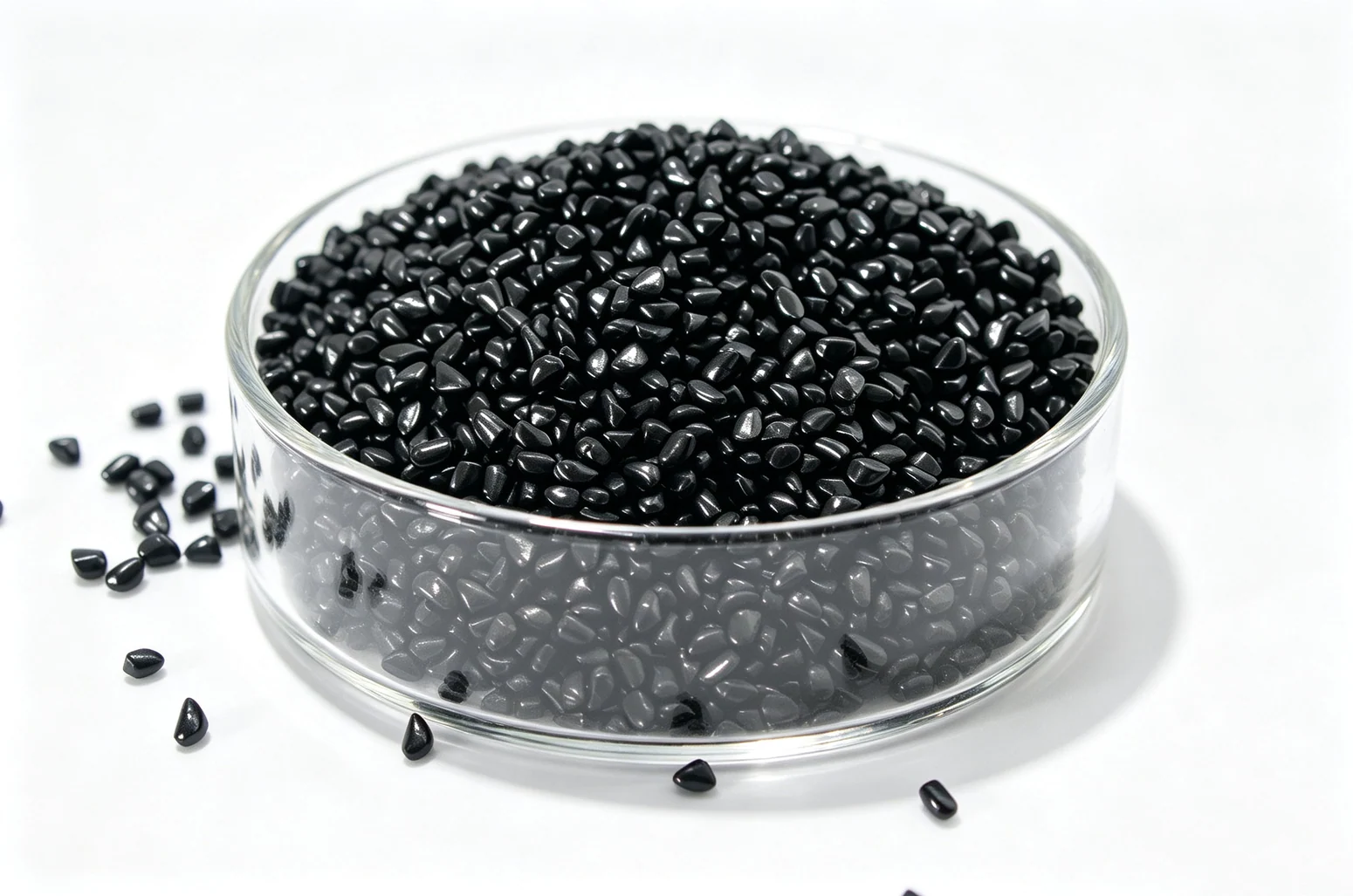
Black film selection is more than choosing the highest concentrate percentage
The MIRACLE black masterbatch family lists carbon black content from 18% to 50% across concentrates. That is a family composition range, not a recommended addition to film. Identify the selected material and confirm its use information for the intended resin and process.
A buyer should describe the required black appearance in the actual thickness and construction. The concentrate percentage alone does not tell the converter whether the finished film meets that visual reference. Nor does a dark appearance establish an unrelated electrical or outdoor qualification. Keep any additional function explicit in the material request.
White film needs a tone and opacity target in its own construction
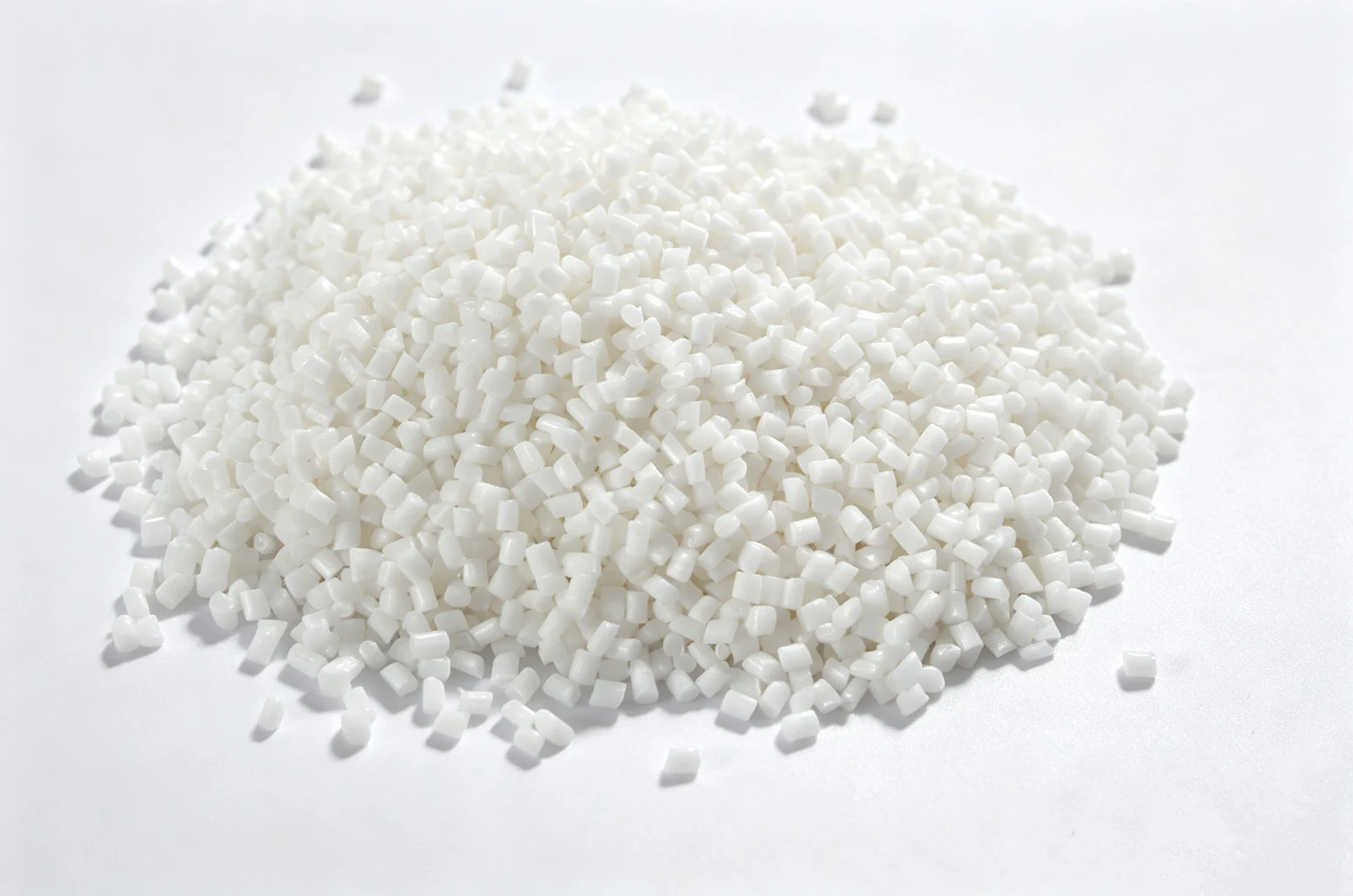
Our white masterbatch family spans concentrates containing 20% to 80% titanium dioxide. As with black, the range is not an addition instruction. State whether the film’s priority is the white tone, opacity, a printed appearance or a combination of these, then evaluate the selected material in the relevant film.
A thinner white film should not automatically inherit the appearance acceptance of a thicker predecessor. Describe the changed construction and the required visual result. This gives MIRACLE’s development team the right target and gives purchasing a clearer reason for the material being proposed, rather than a belief that a higher percentage always means a better film.
For an opacity-sensitive white package, specify how the appearance will be judged against the relevant background. Konica Minolta’s plastics measurement guidance discusses opacity assessment using appropriate measurement arrangements and backgrounds. For the MIRACLE project, the converter and buyer should agree their applicable assessment and limit. A white pellet photograph cannot establish how effectively the actual film hides the packaged product.
When white material and a functional concentrate are proposed together, include both in the trial description. The useful question is whether that complete film meets the agreed requirements. Accepting the white material separately does not resolve what happens when the converter prepares a different combination for production.
Separate film opening from static-related handling behavior
MIRACLE lists antiblocking and antistatic as different functional routes. A converter should describe the operation that causes concern: separating contacting film faces, handling a film that attracts dust, or another identified stage. Giving each requirement its own meaning makes the material discussion more useful without forcing the buyer to know a formulation in advance.
For a bag producer, a film that looks correct but is awkward to open may be commercially unsuitable. Our antiblocking and film appearance discussion explains why opening and the visible result need to be assessed together. The supplier’s proposal should concern the actual bag or roll route, not only a convenient loose-sheet demonstration.
For a dust-sensitive protective film, the relevant antistatic discussion also includes the point at which the effect is needed and the application environment. That is a separate requirement from antiblocking. Do not treat a favorable opening observation as evidence of a static-control result, or assume a proposed antistatic material provides permanent behavior without grade-specific confirmation.
One film can legitimately have both needs. Bring them into MIRACLE’s development brief as separate objectives and confirm the proposed material arrangement. The PE film dust and handling guide is useful when purchasing receives several complaints about the same roll but needs to explain which are actually being addressed by each material candidate.
Put the PPA discussion at the extrusion stage of the film project
PPA belongs to a processing-aid conversation. If the converter has an identified extrusion concern, provide the resin combination, relevant process information and the observation to improve. MIRACLE can review that request within its functional portfolio. An unspecified surface complaint should not become an automatic PPA order before the responsible technical team has described the actual problem.
Keep the existing appearance and other functional materials visible during that review. A color change, white concentrate change or different antiblock arrangement may be part of the real film combination. The development team needs that context if a trial is expected to support a specific purchasing decision.
When evaluating a PPA candidate, distinguish the intended extrusion improvement from the film properties that must remain acceptable. A smoother-looking surface alone does not complete every color, opening or downstream application assessment. The extrusion-problem guide develops that distinction before a material proposal is considered.
Outdoor film use adds a different question to the material brief
Our functional range includes UV and anti-aging routes. If the film will encounter a relevant outdoor exposure, describe the intended environment, use period and properties that must remain acceptable. An attractive initial film or a successful extrusion trial does not answer that exposure requirement by itself.
Suppose a packaging film previously used under shelter is proposed for goods stored outdoors. That is a changed application even if the resin and bag dimensions remain the same. Make the new use visible before reordering material. MIRACLE can then discuss its UV and related options against a defined requirement instead of inheriting an unsupported service-life promise from the old product description.
Likewise, a film used indoors does not need every functional route simply because the portfolio is broad. A focused material brief identifies the actual job and avoids adding functions without a reason. The aim is a suitable film combination, not the longest possible list of additive names on a quotation.
Turn several film functions into one workable development discussion
MIRACLE’s manufacturing and in-house development are useful to converters who need to connect appearance and function before placing a material order. Our quality and supply approach includes incoming checks, initial inspection, interval sampling and self and peer cross-checking. Discuss those controls in relation to the selected concentrates and the film trial they support.
Start the trial with an identifiable construction and a clear set of required results. If the converter is evaluating multiple functions, decide which material or construction differences are intentional. Changing several inputs without recording them can produce a film that looks different while leaving the team unable to understand the reason.
A packaging converter introducing a white film with an opening requirement can begin with the opacity and tone reference, the actual resin and the delivered film format. A protective-film converter with a dust concern can begin with its appearance reference and the handling stage where performance matters. MIRACLE’s range gives both buyers relevant material routes, but their development priorities should remain distinct.
For a distributor serving both projects, keep those distinctions in the supplied material descriptions. Do not merge two different approvals into one generic “film masterbatch” stock promise. The manufacturer’s technical review is valuable because a new application can be discussed honestly, not because an earlier result automatically transfers to every converter.
Agree how separate appearance and functional concentrates will be identified in the order and at receiving. MIRACLE coordinates packing and shipping, with the actual arrangement and timing confirmed for the chosen materials. The receiving team needs to recognize the accepted combination without guessing the role of a material from the color of its pellets.
Bring the finished film’s use path to the next material discussion: what the customer must see, how the film is produced, how it is handled and where it will be used. MIRACLE can then connect the relevant appearance and functional families around that one product, while each required result remains clear enough for the converter and buyer to assess.