
Blog
What a Packaging Masterbatch Supplier Can Align Across Your Product Range

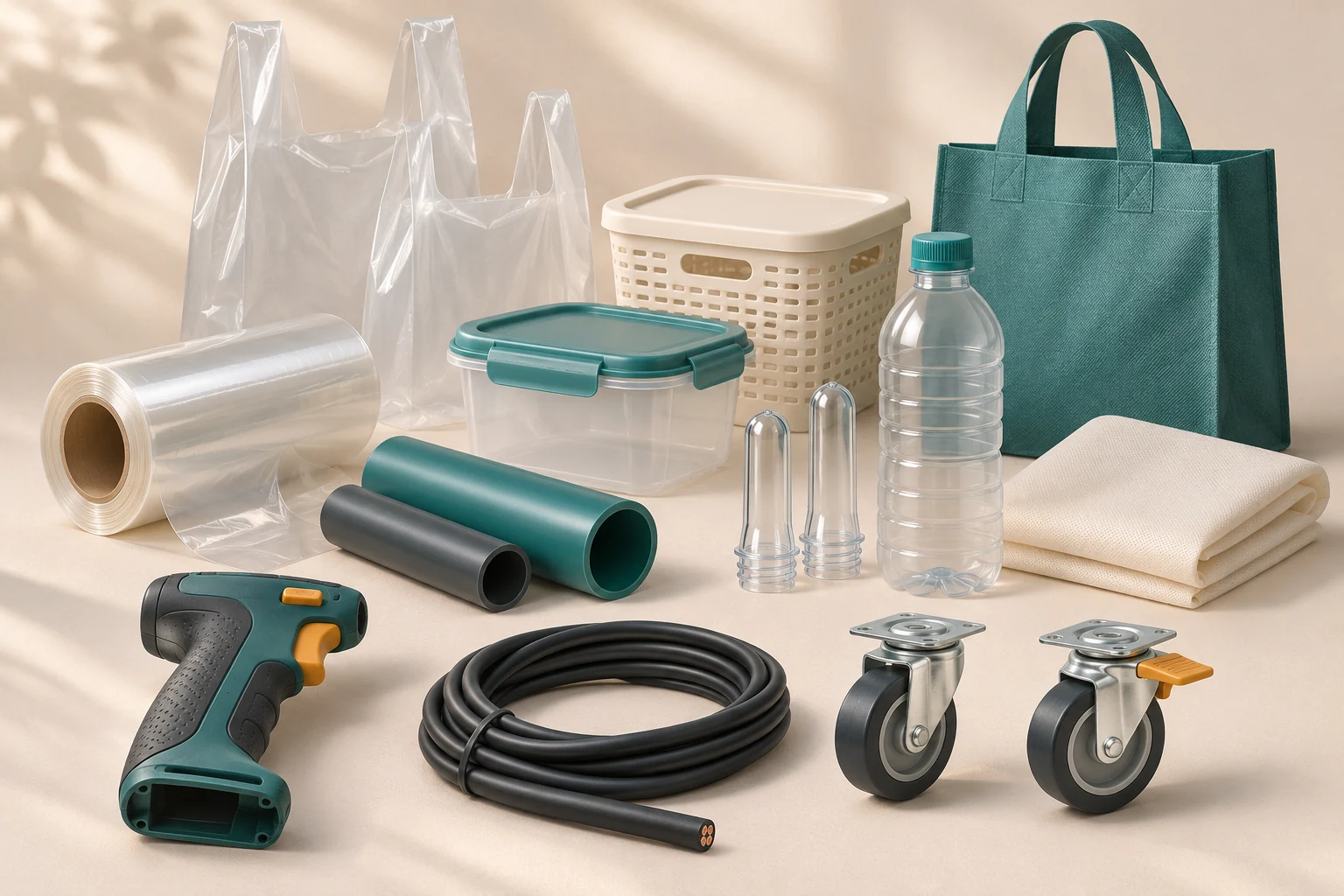
A packaging buyer may purchase colored PE bags, white PP articles and a PET appearance material within the same program. They can share a brand identity without sharing a masterbatch specification. MIRACLE is a packaging masterbatch supplier with manufacturing and in-house development across PE/PP color, black, white, functional and PET material routes. For distributors and packaging producers, the first task is to separate each resin, conversion process and finished appearance, then coordinate the selected materials commercially without merging their technical identities.
That is a practical benefit of our broader portfolio. A buyer can discuss several packaging needs with one manufacturer while retaining the differences that matter to the converter. The goal is not to simplify the order by calling everything the same grade. It is to make a mixed material program easier to understand, evaluate and supply.
Organize the packaging masterbatch supplier discussion around three different briefs
Begin with the products being made rather than a list of desired pellet colors. The resin and process determine which material conversation belongs to each item. A shared visual intention can then be communicated across the program without assuming that one concentrate or one acceptance sample represents every substrate.
Consider a distributor whose customers produce PE bags, molded PP packaging articles and PET items. The distributor can coordinate references and purchasing schedules, but each converter still needs an appropriate material proposal. Keep those technical briefs separate before requesting commercial consolidation. That avoids promising interchangeability as a side effect of simplifying the sales description.
Colored PE bags need a film-specific appearance request
For the PE bag, identify the actual resin, film construction and appearance target. MIRACLE’s custom color route supports a discussion of the shade with the intended finished application. State whether the buyer wants to see through the bag, partly obscure the contents or create a more opaque colored surface.
A color sample without that context can leave the distributor and converter discussing different outcomes. A tinted film examined as a loose sheet may not describe the customer’s view of the completed bag. Preserve the reference presentation that governs the decision, especially if the film will be printed or converted before the final buyer assesses it.
If the bag also needs an opening or static-related function, identify that separately. The material choice should address the actual packaging task rather than make the color concentrate responsible for every handling requirement. This keeps the initial PE brief focused while leaving space for the relevant functional discussion.
Where two converters make the PE bag, identify whether they use the same construction and material combination before issuing a shared instruction. The distributor can communicate one design intention while preserving different production inputs. MIRACLE’s development discussion is more useful when those differences arrive with the request, rather than appear later as an unexplained complaint that the same material produces unlike bags.
White PP articles need their own tone and opacity decision
For the PP item, provide its process and construction rather than repeat the PE bag description. MIRACLE’s white masterbatch family spans concentrates with 20% to 80% titanium dioxide. This is a family range, not an instruction to add that amount to the packaging article or a guarantee of the finished appearance.
Specify the white tone and opacity requirement in the actual part or film under consideration. If a molded wall, a thinner area or another visible feature determines acceptance, make it identifiable. The distributor should not substitute a convenient thick sample for the construction the customer’s buyer will judge.
A shared brand may want a white PP article and a white PE bag to look related. Communicate that intention, but keep their accepted references and material information recognizable. The visual relationship is a design objective; it does not make the resin, concentrate and conversion process technically identical.
PET packaging appearance belongs to a polyester material route
MIRACLE lists PET masterbatch separately from its PE/PP families. Identify the intended PET application, relevant process and visual target before proposing a material. A red pellet photograph or a familiar color name does not justify substituting a concentrate selected for another polymer system.
For a transparent or translucent PET design, describe the appearance the customer needs in the actual product. Do not assume that a color accepted in an opaque PP component establishes the result in PET. The buyer can coordinate a color intention across the program while still recognizing that each material route needs its own assessment.
A brand may want the PET item and PE bag to belong visually to the same range without requiring an identical visual effect. Tell MIRACLE which relationship the buyer wants and who will approve it. This allows the packaging program to keep a coordinated aesthetic while the actual samples remain attached to their own polymer, construction and viewing requirement.
The wider professional color discussion also separates resin, process and viewing conditions. RTP Company’s thermoplastic color guidance identifies those factors as relevant to a color decision. That general context supports keeping the packaging briefs distinct; RTP’s formulations, facilities and approvals are not properties of MIRACLE materials.

Keep black, white and functional packaging materials distinct in the order
Our black masterbatch family lists 18% to 50% carbon black across concentrates. As with white, that range describes the family rather than the customer’s addition instruction. Confirm the selected material and intended use, then preserve that information in the item the distributor or converter orders.
A black packaging appearance does not establish electrical protection, outdoor qualification or another unrelated function. Ask what the finished pack must actually do. If there is an exposure requirement, identify it for the UV or anti-aging discussion instead of assuming that a dark material automatically covers it.
The functional range includes antiblocking, antistatic and PPA options as well as UV and anti-aging. For a PE bag, opening or dust behavior may be relevant; for a processing concern, the extrusion brief matters. Name the requirement and confirm the proposed arrangement. A broad functional portfolio is useful because it supports focused choices, not because it removes the need to select.
Our film material use-path discussion follows appearance, conversion, handling and service environment through one film project. Within a larger packaging program, use that logic only for the relevant film items. A PET or molded PP request should retain its own process and acceptance meaning.
Build a packaging material schedule that receiving can interpret
A mixed order becomes easier to use when every selected material can be connected to an accepted application. The schedule should distinguish the polymer route, proposed concentrate and intended packaging item. It should not rely on pellet color as a substitute for identification.
| Packaging item | Material distinction to preserve | Reference that governs acceptance | Change that needs review |
|---|---|---|---|
| Colored PE bag | PE film route and agreed color/function arrangement | Actual bag or representative film appearance and required handling | Gauge, resin, printing or functional-material change |
| White PP article | PP process and selected white material | Relevant construction, white tone and opacity target | Wall section, resin, surface or process change |
| PET item | Separate PET material proposal | Appearance in the intended PET product | Polyester/process or visual design revision |
This is a way to organize the program, not a MIRACLE catalogue of approved grades. The actual order needs the confirmed material descriptions and project information behind each line. A compact schedule is valuable only when it preserves the distinctions needed by purchasing, receiving and the converter.
Suppose two materials look similar when delivered but belong to different packaging customers. The warehouse should be able to identify their accepted uses from the agreed order and packing descriptions, without opening bags to compare the granules. That is where clear technical segmentation becomes a practical supply advantage rather than an administrative exercise.
For a distributor’s own inventory description, retain the distinction between an appearance-only item and an order that also includes a separately confirmed functional material. Calling both “blue packaging material” may be convenient for a sales list, but it is not enough for the converter’s production instruction. Connect each supplied item to its confirmed role in the particular PE, PP or PET job.
A nonwoven bag request should not inherit a PE film instruction
MIRACLE also lists a nonwoven masterbatch route. If the distributor adds a nonwoven packaging request, identify that process and application as a separate brief. A common bag category does not make film conversion and a fiber-related route the same material problem.
This is especially important when the purchasing office groups all bags together commercially. The classification may be convenient for buying, but it should not overwrite the processor’s actual material needs. Bring the new request to MIRACLE’s technical discussion rather than transfer an existing PE film instruction by name.
Use MIRACLE’s development and checks to support the selected packaging items
Our development, quality and supply approach includes incoming checks, initial production inspection, interval sampling and self and peer cross-checks. For a mixed program, discuss how each chosen material remains identifiable through sampling and the production order. A result accepted for the PET item should not quietly become evidence for a different PP or PE line.
In-house development is useful when a packaging reference needs clarification or a proposed combination needs review. Provide the actual resin, process and intended result for each item. The manufacturer can then discuss a material against the right brief while the buyer coordinates the program as a whole.
If one packaging item changes after approval, identify that revision without reopening unrelated accepted work unnecessarily. A new PE bag gauge does not automatically mean the PET item’s appearance decision must be discarded. Equally, it should not be hidden inside a straight repeat order for the old PE construction.
The release status can differ across the program as well. If the PP white material has been accepted while the PET appearance remains under review, keep those decisions distinguishable in the purchasing discussion. Coordinating the program does not require pretending every item is ready at the same moment. Confirm the intended supply arrangement with MIRACLE so a pending appearance choice is not mistaken for an accepted material.

Coordinate packaging documents and shipments without making blanket promises
Packaging applications can have destination-market, contact or customer-specific document requirements. State those requirements for the actual proposed material and construction before release. A portfolio statement or a general certificate does not establish every grade’s suitability for every contact use. Confirm the current applicable documents rather than copy an approval from another supplier.
For a distributor supplying several markets, preserve which document applies to which material and intended use. A document obtained for one selected PE concentrate should not be attached indiscriminately to the white PP and PET lines. The commercial program can be consolidated while its technical and documentary boundaries remain precise.
MIRACLE coordinates packing, warehousing and shipping. Agree the selected materials, order quantities, packing identification and shipment timing together. Do not assume a fixed bag weight, stock position or lead time from the breadth of the range. Those details are settled for the actual order, not for a generic category called packaging masterbatch.
The strongest mixed packaging program is recognizable at every handoff: the PE bag still has its film requirement, the white PP item still has its own appearance target, and the PET request still belongs to its polyester route. MIRACLE’s broader manufacturing portfolio can support that coordination without pretending the materials are interchangeable. Keep the brand intention shared and the accepted material decisions distinct.