
A Masterbatch Supplier for a Mixed PE, PP and PET Production Program

A masterbatch supplier becomes especially useful when your factory does not make just one kind of plastic product. Packaging film, molded components and a new PET article may all need color, but they should not automatically share a concentrate. MIRACLE gives converters and purchasing teams a manufacturer-backed starting point across PE/PP color, black and white masterbatch, functional materials, nonwoven grades and a separate PET carrier family. Begin with the polymer and the finished product, then define the appearance or function that the material must deliver.
That approach matters for a mixed production program. A supplier relationship can cover several material families while each approved formulation remains tied to its own resin, application and processing conditions. The commercial benefit is a clearer sourcing conversation, not an unsupported promise that one bag of pellets will perform identically everywhere.
For an initial overview, use MIRACLE’s masterbatch and elastomer range. It separates coloring, application-specific requirements and flexible materials so a buyer can identify the right discussion before comparing quotations.
Why a masterbatch supplier should start with the production map
Imagine a converter making PE shopping bags today, PP molded articles on another line and evaluating a PET product for a future customer. This is a sourcing scenario, not a claim about a particular MIRACLE customer. The purchasing department may see three requests for colored granules. Production sees different polymers, different residence histories and different ways of judging the finished appearance.
Map those jobs before building a purchasing list. Record the base resin, manufacturing method, finished thickness or geometry, intended color and any function beyond color. For the bag, a visual comparison made through the film may be important. For the molded article, the reference should represent its surface and wall thickness. For the PET project, the polyester carrier route should be discussed separately rather than inherited from the polyolefin job.
MIRACLE’s portfolio is organized around precisely these distinctions. Its PE/PP categories address several coloring objectives, its PET category provides a dedicated carrier starting point, and its nonwoven category keeps fabric production visible. A buyer can coordinate the programs through one manufacturer while keeping the technical identities distinct.
PE and PP masterbatch options solve different appearance problems
Custom color masterbatch for a defined finished article
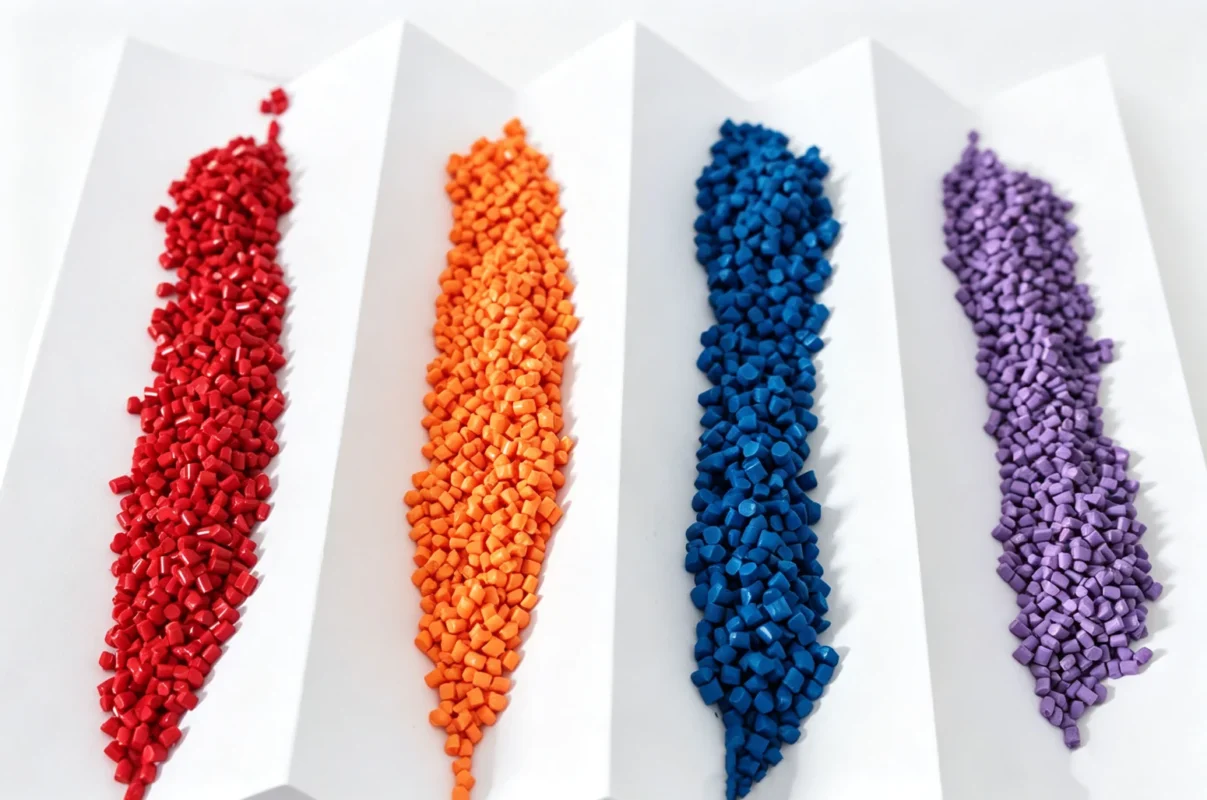
MIRACLE describes its color masterbatch range as customizable to customer requirements. The useful input is therefore more specific than “blue” or “red.” A physical sample, color reference and explanation of the final product help establish what is being matched. The reference should travel with information about the resin and process because appearance is evaluated in the resulting article, not simply in the concentrated pellet.
A brand owner introducing a new molded colorway may need a different evaluation from a film producer pursuing a translucent shade. Both can start with the PE/PP color masterbatch family, but the acceptance samples should express the actual visual objective. This allows the development discussion to focus on an observable result instead of a color name interpreted differently by each department.
Black masterbatch concentration is not the finished-product dosage
The published black series covers 18%–50% carbon black for different applications. That is a concentration range within the masterbatch portfolio. It does not tell a buyer how much concentrate to add to every resin, nor does a higher percentage establish that one grade is automatically more suitable for a specific film or molded part.
The black masterbatch options should be assessed against the intended black appearance, dispersion needs and processing route. A thin film and a thick molded article can expose different visual questions. Treat the concentration, proposed addition level and finished result as related pieces of information, rather than substituting the first number for a completed application review.
White masterbatch needs a tone and an opacity objective
MIRACLE lists 20%–80% TiO₂ content across its white series. As with black concentrates, this describes a product-family range, not a universal recipe. A request for a pleasing white tone is different from a request to hide what sits behind a thin package. The same purchasing form should not collapse those two objectives into “highest content available.”
For white PE/PP masterbatch, describe the finished thickness, the background against which the product will be seen and the desired appearance. This gives the material team a useful basis for reviewing suitable options and allows purchasing to compare the proposed route against the actual job.
Keep functional, nonwoven and PET requirements visible
A mixed order becomes harder to manage when every special requirement is hidden inside a color description. MIRACLE’s functional family lists anti-aging, UV, PPA, antistatic and antiblocking options. These are starting points for an application-specific discussion. Their presence in the portfolio is not evidence that every function can be combined with every carrier, color or end-use requirement.
For example, if a film program requires both a chosen shade and a processing-related function, describe both at the outset. Do not approve the color alone and assume the functional requirement has followed it into the quotation. The selected formulation and applicable documentation should identify what is actually being supplied.
The same discipline applies to fabric. MIRACLE’s nonwoven family is presented for fabric coloring and stable coloring in the wire-drawing process. A fabric manufacturer should bring the polymer, fabric-making process and finished fabric reference into the conversation. A molded plaque can be useful information, but it does not replace approval of the fabric form that the customer buys.
PET deserves its own route. MIRACLE’s PET carrier masterbatch is described for custom colors and glossy plastic products, with transparency or opacity discussed according to the project. A PET enquiry should retain its resin specification and processing context rather than borrowing assumptions from the PE/PP stockroom.
| Production requirement | Relevant MIRACLE starting point | What the buyer should distinguish |
|---|---|---|
| Colored PE or PP article | Custom color masterbatch | Reference shade, surface and actual resin |
| Black or white polyolefin product | Black or white family | Concentrate content, proposed dosage and final appearance |
| Color plus another material objective | Functional discussion alongside the color brief | Requested function versus confirmed grade capability |
| Colored fabric or polyester product | Nonwoven or PET route, as appropriate | Fabric process versus carrier chemistry; neither label replaces the other |
What manufacturer-backed supply adds to the material decision
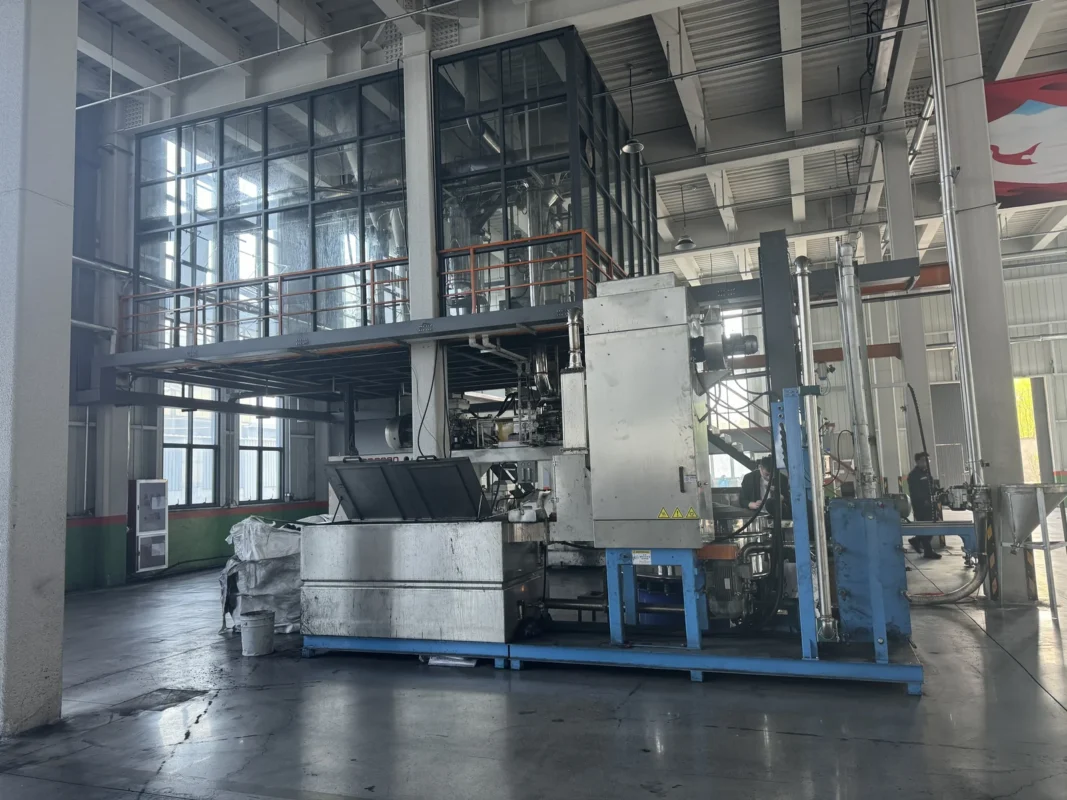
MIRACLE combines manufacturing with in-house development, quality control and international customer service. Its company information describes pilot-scale equipment for reproducing key production conditions and evaluating sample suitability. For a converter, that provides a practical reason to discuss the resin and processing details early: the development conversation has a route into material preparation and evaluation.
Its quality approach also connects incoming-material monitoring with initial examination and samples taken at intervals during production. Employee self-checks and cross-checks are part of the described working practice. These are meaningful operational features, but they should not be converted into an invented test certificate or a claim that every possible performance property is measured on every shipment.
Use the manufacturing and material-evaluation overview to frame a specific discussion about the proposed grade. A useful question is which checks and documents relate to your appearance, processing and end-use requirements. That produces a more actionable answer than asking whether a factory has “good quality” without defining what your line needs.
For engineering teams taking a sample toward routine manufacture, the separate discussion of what a manufacturer should resolve before scale-up examines why an attractive development sample is only one part of production approval.
Build the order around approved material identities, not broad color names
A distributor stocking mixed customer requirements has a different problem from a converter feeding a single machine. Stock may need to be separated by carrier route, approved application and color reference even when the pellets look similar. Labeling an entire shelf “white masterbatch” can conceal distinctions that matter as soon as a bag reaches the customer’s production line.
MIRACLE states that packaging can be customized to order requirements, including bag format, pack size, labeling and pallet arrangements. Use that flexibility to support correct identification and handling. Agree the material reference and proposed packaging together so the receiving team can connect what arrives with the formulation and application that were approved.
Do not turn an illustration of packaged material into a fixed bag-weight promise. The appropriate quantity, documentation, packing arrangement and production schedule depend on the selected material and order. A mixed purchase should keep those fields beside each material line, rather than assuming one set of commercial details covers the entire portfolio.
There is also a useful boundary between a color concentrate and a finished material intended for further processing. MIRACLE’s TPE and TPU business broadens its polymer portfolio, but these families should not be treated as interchangeable with a masterbatch addition. The article on color concentrate versus a finished compound helps purchasing describe which role the supplied pellets are expected to perform.
Where a broad masterbatch range saves a second sourcing exercise
A packaging business may begin with color alone and discover during evaluation that the real requirement includes opacity or another material function. MIRACLE’s neighboring color, white, black and functional families give that buyer a way to reframe the discussion without pretending that the first color sample already solves the expanded problem. The advantage is access to several relevant material conversations, with the selected route still approved on its own merits.
Consider a bag program that changes from a translucent color to an appearance intended to conceal the contents. The purchasing question is no longer only whether the hue is attractive. The finished film now needs an agreed hiding objective at the intended thickness. MIRACLE’s white and color families provide relevant starting points for that discussion, while its functional category remains available if a separate processing or end-use objective emerges. None of those labels, by itself, specifies a combined formulation.
Likewise, a converter exploring a flexible component alongside a rigid colored product can recognize that the TPE/TPU discussion concerns the material’s own feel and behavior. That is different from buying concentrate to color an existing PE or PP resin. Describing both projects accurately helps the manufacturer identify the information needed for each, instead of allowing the similarity of pellet form to obscure a different purchasing requirement.
Keep this breadth visible in the sourcing map, but do not let it erase approval boundaries. A useful portfolio reduces the need to start every conversation from zero; it does not replace the evidence that a particular material suits a particular product.
Make the first material brief easy for production to use
A concise production brief can be more valuable than a long list of generic preferences. Identify the actual polymer, the product made from it and the selected MIRACLE family. Add the reference sample or appearance objective, the proposed evaluation method, the expected demand and the destination. Keep any regulatory or customer-specific requirement explicit so its applicability can be reviewed for the proposed grade.
For general terminology, Ampacet’s explanation of masterbatch describes a concentrate carried in a material compatible with the main plastic. The procurement consequence is straightforward: a color label does not remove the need to establish the material system into which that concentrate will be introduced.
MIRACLE’s breadth is most useful when it helps the buyer make those distinctions clearly. Start with the family that fits the real job, retain the approved material identity and let the order reflect the different requirements of each line. A PE film trial, a PP component approval and a PET development project can belong in one sourcing relationship without being forced into one unqualified formulation.