
What a Masterbatch Manufacturer Should Resolve Before Scale-Up
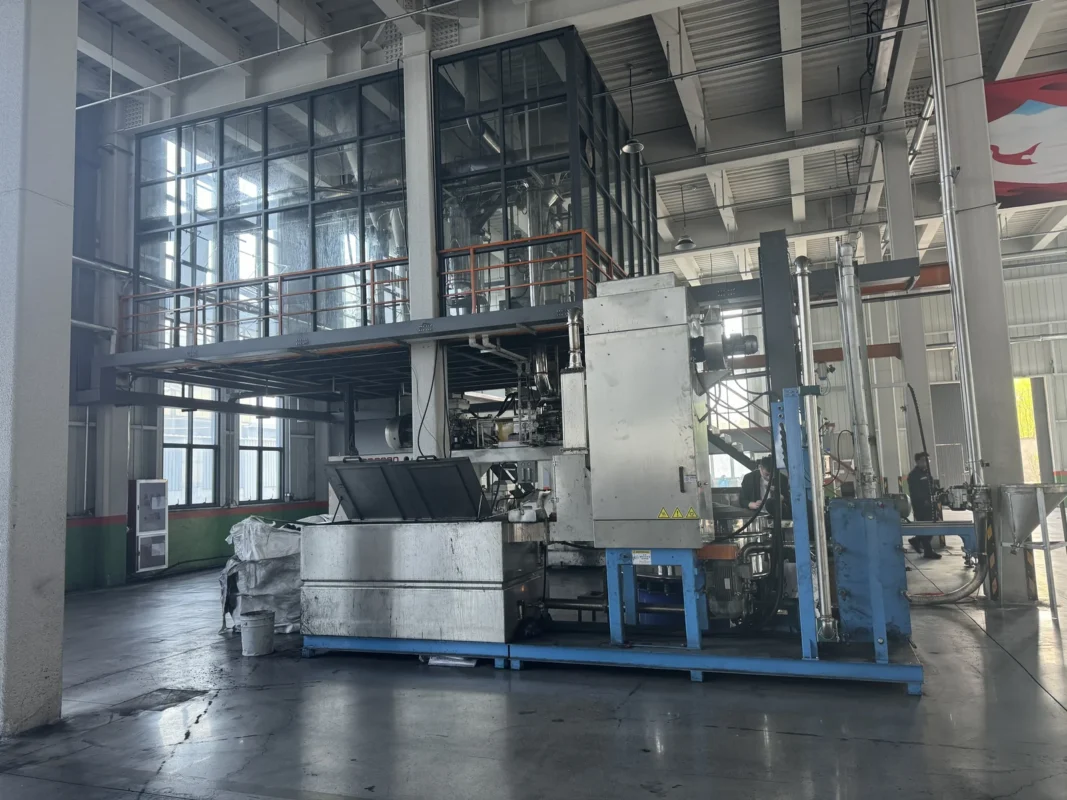
An approved color sample is not yet an approved production program. A masterbatch manufacturer needs to connect that sample with the resin, processing route and acceptance conditions that will be used when a converter places a repeat order. MIRACLE combines masterbatch production with in-house development and pilot-scale sample evaluation, giving engineering and purchasing teams a practical route from a material brief to a more focused production decision.
The important first question is not whether a pellet looks attractive. It is whether the proposed concentrate has been evaluated in a way that answers your product’s requirements. Start with MIRACLE’s material families, identify the actual polymer and process, and separate the appearance approval from any additional functional or mechanical requirement.
That is especially useful when a small development sample will be followed by regular manufacturing. The supplier’s production experience and the converter’s own process knowledge need to meet in the same record. Neither side benefits when a successful laboratory observation is expected to cover conditions that nobody has yet defined.
A masterbatch manufacturer should know what the development sample represents
Consider a processor evaluating a new PP color for a molded component. The development team accepts a sample, but purchasing later orders against a color name while production uses a different resin grade. If the resulting article changes appearance, it may be unclear which part of the original approval still applies. This example describes a plausible project situation, not a reported MIRACLE customer case.
A stronger sample identity includes the concentrate reference, base resin, proposed addition level and the conditions used to prepare the evaluated article. Record the part or sample geometry and the intended viewing conditions as well. These details turn “the approved blue” into something the manufacturer and converter can meaningfully discuss when the order moves forward.
MIRACLE’s in-house development approach begins with the finished product, color or material target, resin and processing method. That is a useful manufacturing strength because it keeps formulation work connected to the customer’s actual production question instead of treating a reference color as a complete specification.
PE/PP color trials need the intended resin identity
The PE/PP color masterbatch range provides a route for custom shades, but “PE/PP” is a family description rather than permission to ignore the material actually running on the line. Identify the resin used for the trial and any planned change before the next sample is prepared.
A manufacturing discussion becomes much more productive when a color difference can be considered alongside a known resin change. Without that context, another color adjustment may be requested even though the parties are no longer comparing the same material system. The purpose of the record is to narrow the explanation, not to burden the buyer with unnecessary paperwork.
PET carrier trials should remain a separate approval route
MIRACLE’s PET-based masterbatch family is a dedicated starting point for polyester enquiries. A PET project should retain its own resin, thermal-processing context and transparency or opacity objective. A successful polyolefin sample does not establish that the same formulation is appropriate for PET.
This distinction also protects purchasing from a misleading comparison. Two quotations may both describe a custom red concentrate, yet address different carriers and finished appearances. Before treating one as an alternative to the other, establish whether they are intended to answer the same product brief. Manufacturer-backed development is valuable when it clarifies that difference early.
Use pilot-scale evaluation to answer a defined processing question
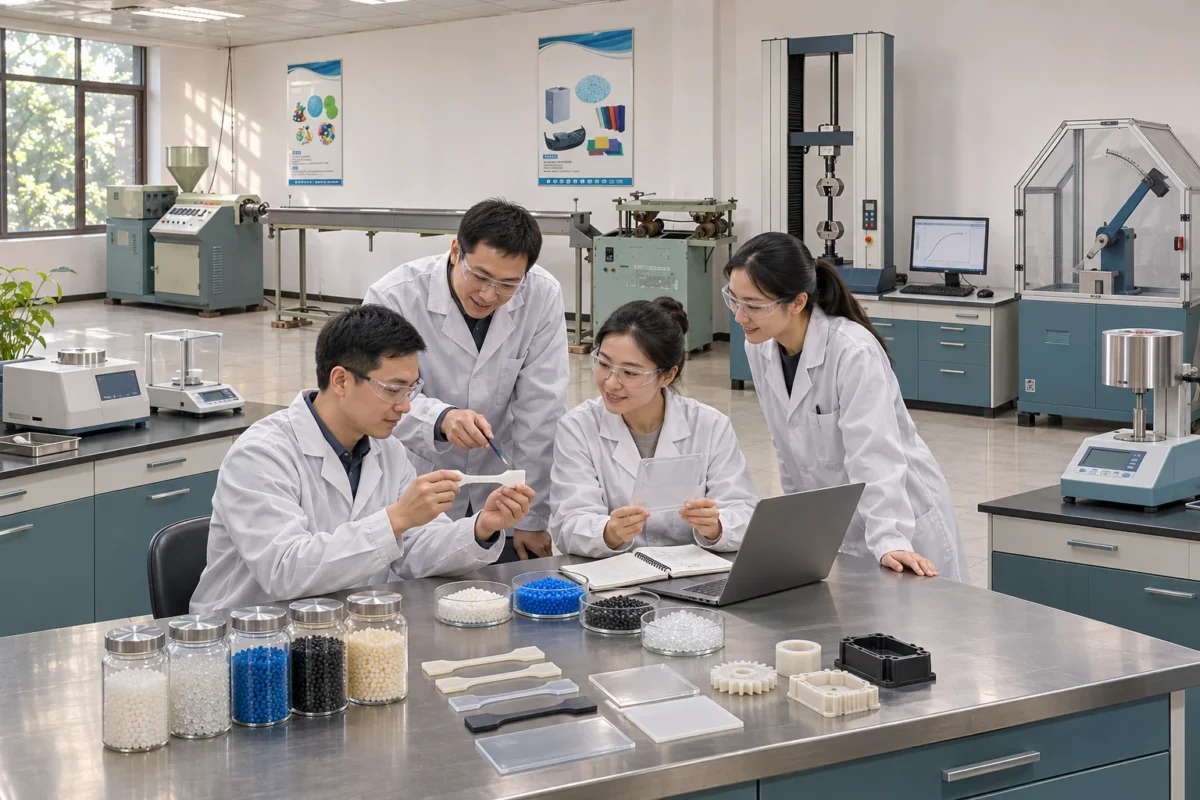
MIRACLE’s company information describes pilot-scale equipment for reproducing key production conditions and evaluating sample suitability. The practical benefit is an opportunity to investigate a material direction before the customer treats it as a routine purchasing item. It does not mean a pilot machine is identical to every converter’s equipment, or that a pilot result removes the need for an application trial.
Define the question before asking for the sample. A molded-part team may be assessing shade and visible uniformity at its intended wall thickness. A film team may be looking at appearance through a thinner section. A fabric team may need the color judged after the polymer becomes a nonwoven structure. Each question calls for a relevant comparison, not simply a larger quantity of pellets.
Useful feedback identifies what was run and what changed. Instead of reporting “the material does not work,” distinguish uneven appearance, a different tone, a surface defect or a mechanical concern. Retain the trial reference and describe whether the comparison used the same resin and processing basis as the original sample.
A manufacturer can then consider the observation in context. The next step might involve clarifying the target, reviewing sample preparation or considering a different material route. The decision should arise from the particular result; it should not default to adding more concentrate or raising a machine setting without understanding the issue.
Masterbatch production checks should support the agreed acceptance basis
MIRACLE describes incoming-material monitoring, initial examination and sampling at intervals during production, alongside employee self-checks and cross-checks. Those practices connect quality attention with the production run rather than leaving it entirely to the finished shipment. For buyers, the relevant follow-up is how the proposed material and order requirements are identified within that working process.
Separate the product-family specification from the agreed grade and the observed trial result. The black portfolio’s published 18%–50% carbon black range and the white portfolio’s 20%–80% TiO₂ range are examples of family information. They are not statements that every batch covers the whole range, nor do they define the final addition level used by your processor.
A production order should identify the selected material, not just repeat the broad concentration range from the overview. The applicable technical documents and the sample acceptance basis should refer to that material. This makes it easier for purchasing, the manufacturer and the receiving team to discuss the same product as it moves from development to supply.
The distinction is equally important when MIRACLE’s functional family enters the program. Anti-aging, UV, PPA, antistatic and antiblocking are different objectives, not interchangeable descriptions of improved material. If a colored film is also expected to meet a separate processing requirement, carry that requirement into the proposed grade discussion before accepting the sample. A visual approval confirms only what was actually evaluated; it should not silently stand in for an unexamined functional outcome.
For a molded component program, keep any required mechanical review separate from that functional description. A material can be discussed for color and a selected function while the finished part still requires its own evaluation. MIRACLE’s connected development and quality-control approach is valuable because those questions can be brought together without pretending they are the same test.
A useful release reference connects the selected concentrate, the evaluated resin and the intended product. A concentration percentage alone cannot carry all three meanings.
Mechanical evaluation must match the component question
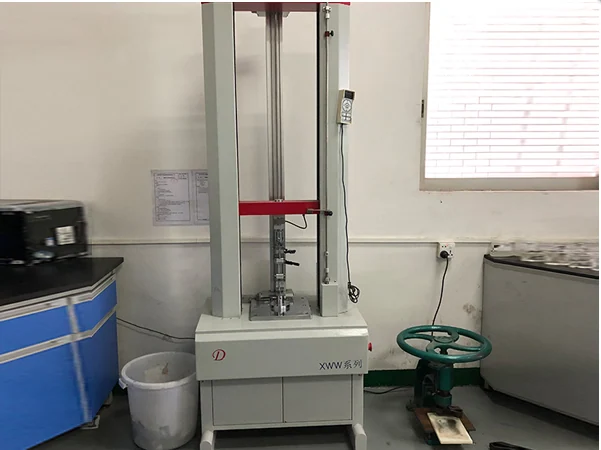
MIRACLE’s laboratory overview includes tensile testing equipment, hardness evaluation and pendulum impact equipment. These illustrate different ways of examining material behavior. A buyer should not interpret the presence of those instruments as proof of a particular result, a specific accredited method or a guarantee that every property is checked on every masterbatch shipment.
For a PP component, establish which mechanical requirement is actually relevant to the finished part and how the trial will be evaluated. For a flexible part, hardness and tensile behavior may form different parts of the discussion. MIRACLE’s TPE/TPU portfolio offers a separate material conversation for flexibility and feel; it is not an automatic replacement for a color concentrate used in the customer’s existing resin.
The manufacturer’s strength lies in connecting the material question with a relevant evaluation route. A photograph of a tensile instrument cannot choose the acceptance criterion for the buyer. That criterion belongs to the application, the selected material and the agreed method of assessing it.
Do not let a processing adjustment conceal a different material problem
A second scenario is a film trial that develops visible defects after a concentrate change. It can be tempting to label every defect a dispersion problem and demand a stronger mixing response from the line. A more useful discussion first asks whether the observed issue concerns pigment distribution, dilution into the base resin or another part of the processing history.
Ampacet’s technical discussion of gel problems distinguishes poorly distributed material from poor dispersion and degradation-related defects. The purchasing lesson is not to copy another manufacturer’s remedy, but to identify the problem before treating every visible mark as the same kind of failure.
MIRACLE’s manufacturing and development discussion can be supported with photographs, retained samples and clear processing records from the actual trial. If the selected material, resin or machine conditions changed, say so. A useful investigation should reduce uncertainty about the cause rather than generate another sample whose comparison basis is equally unclear.
Nonwoven production deserves the same care. MIRACLE has a dedicated nonwoven masterbatch family, described around fabric coloring and wire-drawing color stability. Its suitability for a particular fabric-making process still needs to be discussed against that process; an approval obtained in a molded plaque does not settle fabric performance.
Carry the approved formulation into an order the receiving team can recognize
Once a material direction is accepted, the technical record should not disappear into a separate commercial document. MIRACLE’s supply information allows packaging requirements to be discussed by order, including bag format, pack size, labeling and pallet arrangements. These details can help the receiving team identify the selected material and keep it separate from other approved concentrates.
For a factory running several shades or carrier families, identification is a practical production control. The warehouse should be able to connect a delivered bag with the material reference approved for the intended job. Similar pellet appearance or an informal color nickname should not be the only distinction between materials destined for different lines.
Keep the quantity, destination, requested documents and agreed timing beside that identity. There is no fixed delivery promise implied by an equipment photograph or the existence of a product family. The order discussion should establish the commercial conditions that apply to the actual material and shipment, while retaining the technical reference that justified the purchase.
Recognize when the masterbatch brief has changed enough for another trial
A resin substitution, a new thickness or a different surface finish can alter what the original sample approval means. Do not treat a later disagreement as evidence that the manufacturer’s first development work had no value. First establish whether the new production condition still sits within the agreed evaluation basis.
This is where a direct manufacturing relationship can earn its place. MIRACLE brings formulation conversations, pilot preparation and production quality attention into one materials business. The buyer contributes knowledge of the real product and line. When both sets of information are retained, a revised trial can address a specific change rather than restart an unfocused search for a material that is simply described as “better.”
Teams comparing several resin programs can use the mixed PE, PP and PET sourcing discussion to keep their families separate. For a new shade, the account of turning a color reference into a working formulation follows the appearance-development side in greater detail.
Before the next order is released, make sure the production team can answer one concrete question: which evaluated material, resin and finished-product requirement is this order repeating? A clear answer gives both the converter and the manufacturer a stronger basis for the run that follows.