
Choosing a Nonwoven Color Masterbatch Supplier for Fabric Collections
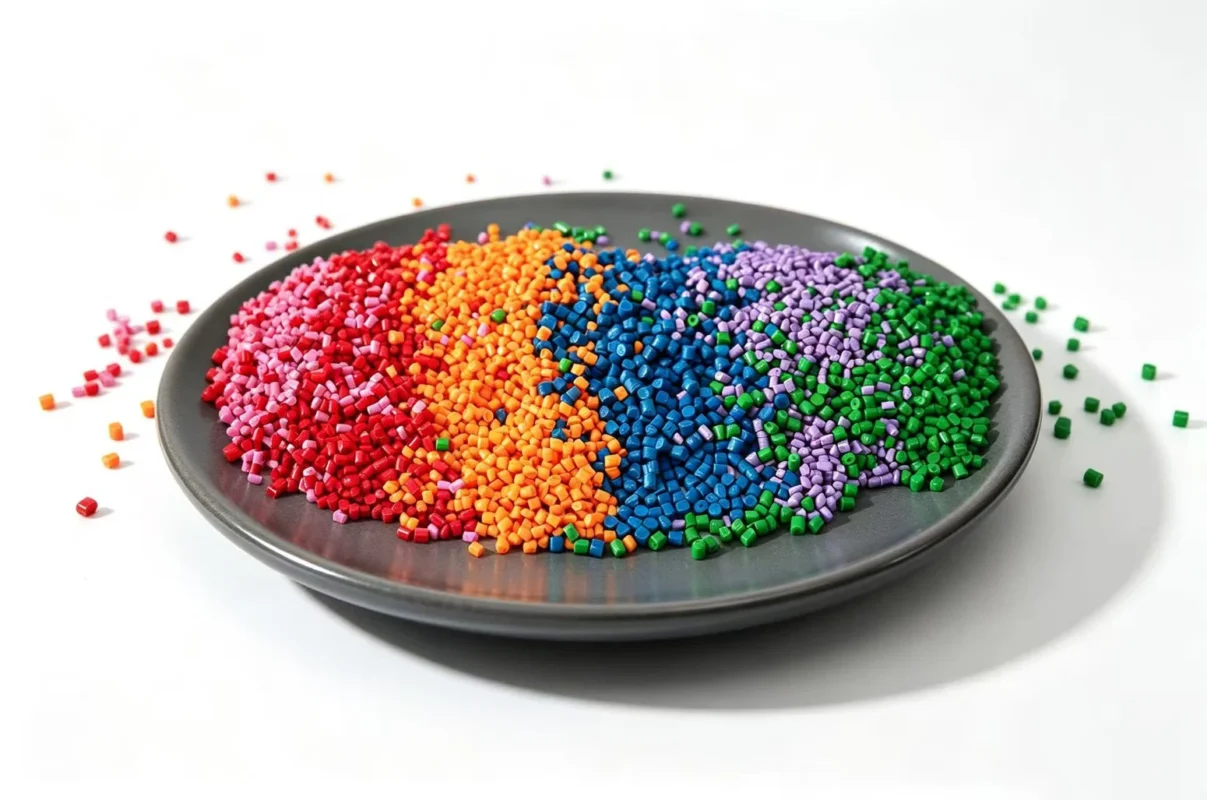
A distributor’s blue fabric requirement is not fully identified by the word blue. Different customers may use that name for different polymers, fabric constructions and finished goods. A nonwoven color masterbatch supplier should help connect the collection’s appearance intentions with identifiable material proposals. MIRACLE has a dedicated nonwoven category, customizable color discussions and in-house development, giving regional buyers a manufacturer-backed route without assuming every fabric shade can be reduced to one universal concentrate.
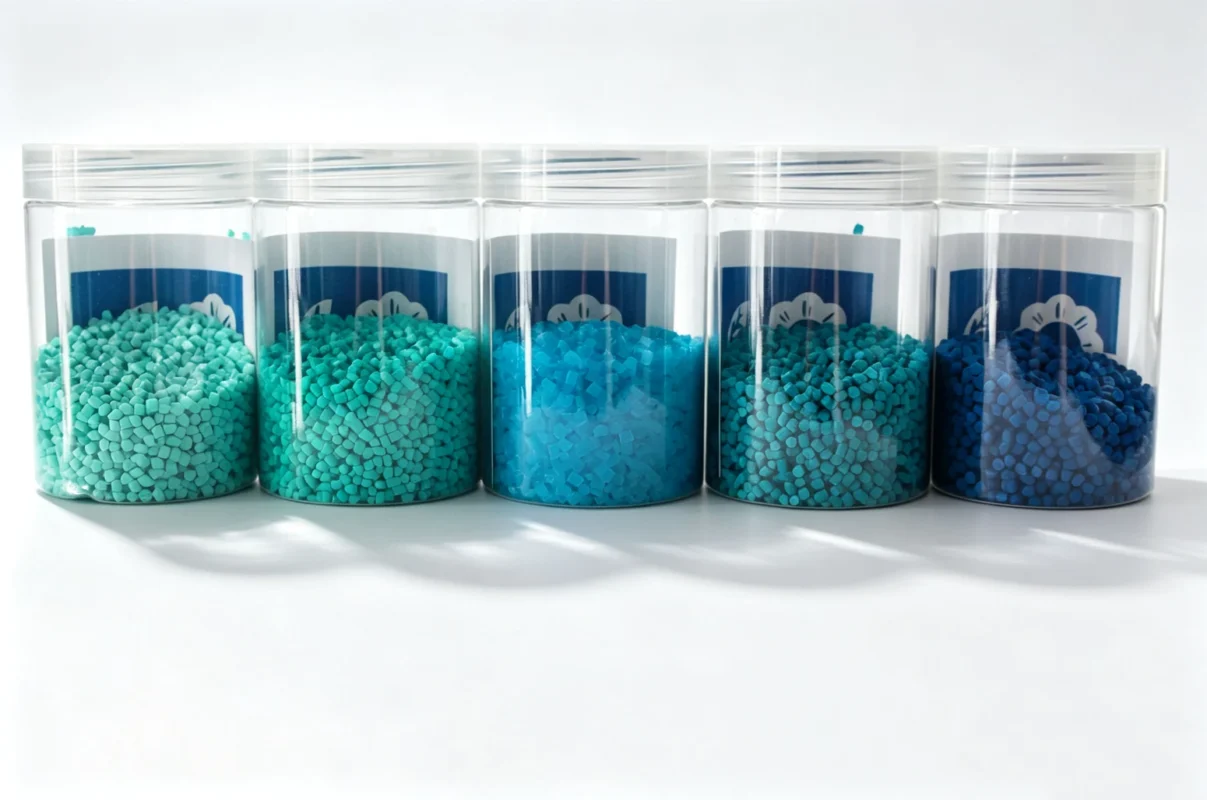
Begin with the fabrics your customers actually make and the references they have accepted. Keep the polymer, production method and relevant fabric form connected to each color. The purpose of an assortment is to serve real applications, not simply hold a large number of similar-looking sample jars.
Give the nonwoven color masterbatch supplier a collection of defined fabric requirements
MIRACLE’s nonwoven masterbatch family provides a route into fabric coloring. A distributor can make that route useful by explaining which customers and product forms the collection must serve. A shared color name should not hide differences in the actual fabric or polymer being processed.
The company’s development approach starts with the intended product, material target, resin and process. For a fabric collection, this means a reference should carry more than its commercial color name. It should identify the material and application context that made the sample relevant to the customer’s purchasing decision.
A fabric shade reference should identify the construction it represents
A buyer may compare fabrics with different structures or weights. Retain that information instead of treating the visual sample as an abstract color unrelated to its form. The manufacturer should know which fabric represents the intended product and which is only a related design reference.
As an illustrative description only, two customers could provide 60 g/m² and 90 g/m² fabric references. These are not MIRACLE fabric grades or product specifications; MIRACLE’s role here is the color-material discussion. The numbers simply show why a collection record should not discard the actual sample context when assigning a shared color name.
The polymer behind a nonwoven color should remain identifiable
The nonwoven label does not replace the actual polymer information. Tell MIRACLE what the fabric producer processes and how the relevant fabric is made. The selected proposal should be reviewed against that route rather than inherit approval from another fabric or a molded-plastic color sample.
MIRACLE’s broader range includes PE/PP custom colors and a separate PET carrier family. These are useful parts of the material map, not evidence that every option is confirmed for every nonwoven process. Retain both the actual polymer and application context in the enquiry.
Organize fabric masterbatch proposals by what customers have actually accepted
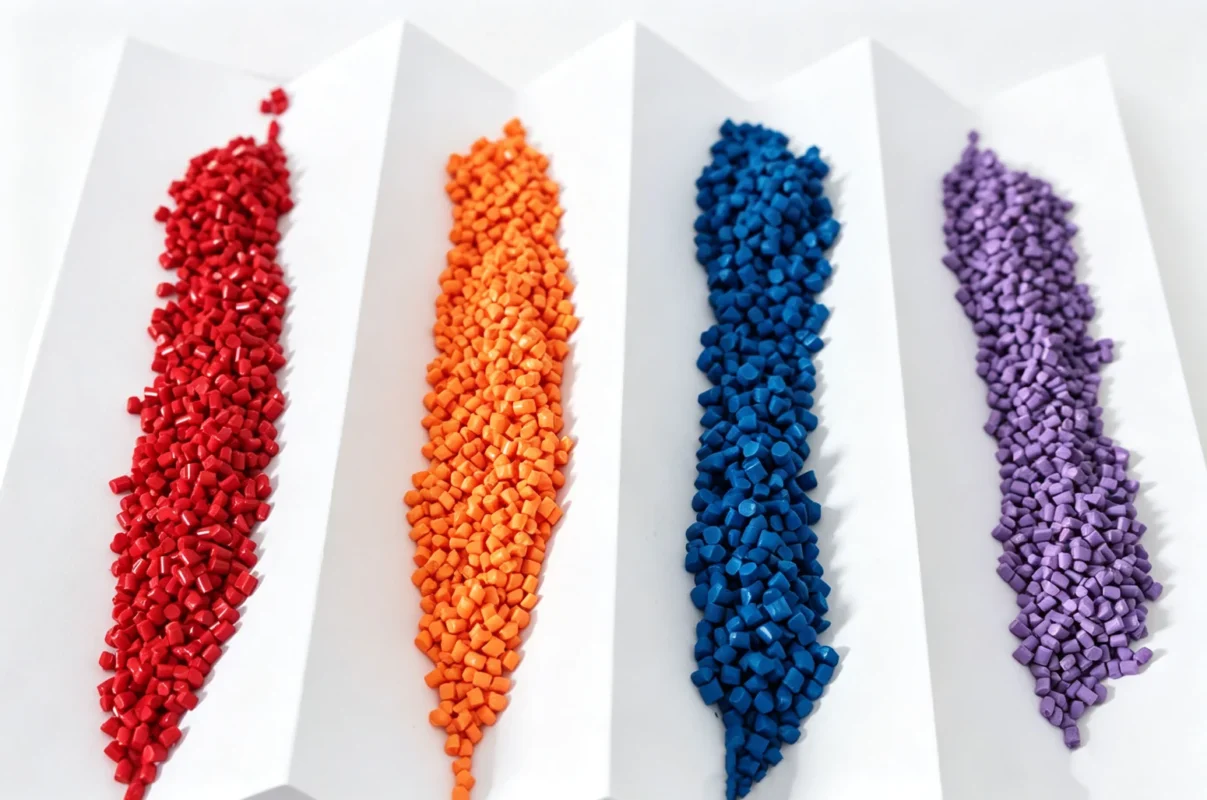
A distributor may have several stages of material work in progress at once: a shade direction, a proposed material awaiting a trial and a selected concentrate accepted for an identified fabric. Keep those stages distinguishable. A promising sample should not become a customer-ready stock claim simply because it has joined the same presentation tray as accepted materials.
MIRACLE’s in-house development and pilot-scale evaluation provide a practical relationship for discussing those stages. The customer’s actual fabric and process information make the development question relevant. The distributor adds value by preserving that information rather than replacing it with a broad local description that the manufacturer cannot interpret precisely.
A selected nonwoven color should retain its own customer-use boundary
If a material has been accepted for one customer’s fabric, identify what that acceptance represents. It should not automatically be presented as approved for every customer using a similar shade name. The selected reference, actual polymer and relevant fabric form should remain connected to the application decision.
This is especially important where a distributor hopes to simplify the assortment. Fewer stock items can be a reasonable commercial objective, but the evaluation should determine whether a proposal serves the different uses. An inventory preference is not evidence that the fabrics have equivalent material requirements.
Keep coordinated fabric colors related without forcing one formulation
A collection can have a common design intention while its individual colors or customer applications require separate proposals. Describe the intended relationship between the fabrics rather than assume the same material route must apply to all of them. MIRACLE’s custom-color and nonwoven discussions can then address the actual collection objective.
For example, a converter may want several fabric colors to look like one range while their product constructions differ. This is a prospective sourcing situation, not a MIRACLE customer case. The buyer should retain which sample represents each product and how the collection will be compared.
For industry context, Avient’s fiber-colorant overview distinguishes polymer and application routes. Its proprietary grades, certifications and fastness or spinnability claims are not facts about MIRACLE’s proposed nonwoven materials.
Describe changed fabric references before revising the color proposal
If a customer changes fabric construction or product form while retaining the same shade name, identify the revision. The earlier sample can still communicate a useful design direction, but it should not be described as proof that the changed application has already been evaluated.
Keep the observation specific. A difference in tone, background visibility or the appearance of a converted article should not all arrive as a general report that the color is wrong. The manufacturer can consider a more focused next step when the selected material, fabric and known changes remain identifiable.
A useful collection review distinguishes the following situations without treating them as one status:
- A customer accepts the fabric shade direction.
- The reference communicates a visual intention. The actual proposed material and production route may still require evaluation.
- A selected material is evaluated in the intended fabric.
- The sample and conditions provide application context. Keep the accepted result tied to the actual customer requirement.
- A later fabric version changes the comparison.
- Identify the revised construction or product form. Retain what the earlier reference demonstrated without expanding its scope.
Separate nonwoven collection appearance from additional performance claims
A coordinated color collection does not establish wash, light, hygiene, filtration, medical or other end-use performance. If a customer needs a particular property or declaration, identify the actual use, process and destination. The selected material should be reviewed against that requirement rather than inherit a blanket claim from the broad fabric category.
MIRACLE’s functional portfolio provides categories including anti-aging, UV, PPA, antistatic and antiblocking for discussion. Confirm what the actual nonwoven proposal covers. The list is not proof that every function has been combined with every shade or approved for every fabric route.
Keep requested and confirmed documents distinguishable when communicating with downstream customers. A declaration still under discussion should not be represented as an existing product credential. The distributor’s commercial description should preserve the scope of the selected material instead of make a broader promise than the manufacturer has confirmed.
Make nonwoven stock identification useful beyond the sample room
MIRACLE allows packaging discussions around bag format, pack size, labels and pallets. A distributor can use the agreed identification to connect received material with its selected reference and intended application. A local shade nickname should not be the only information available when material is issued to a converter.
If different customer applications retain different selected materials, preserve those distinctions through onward supply. Similar pellet color does not establish technical equivalence. Conversely, where a shared proposal has been evaluated for several uses, retain the actual approval boundaries so a later product change can be discussed accurately.
The company’s manufacturing approach includes incoming-material monitoring, initial examination and sampling during production. Keep the order tied to the selected nonwoven reference so the production discussion concerns an identifiable proposal, rather than a collection color whose material context has become unclear.
Translate fabric collection demand into an identified concentrate discussion
A customer’s fabric area forecast is not the same quantity as the concentrate the distributor needs to discuss with MIRACLE. Keep the fabric mass and the accepted material-addition basis distinguishable. A shared shade name does not establish identical consumption across fabrics with different constructions or customer processes.
As an arithmetic illustration only, 10,000 m² of fabric at 60 g/m² represents 600 kg of fabric mass, while the same area at 90 g/m² represents 900 kg. These are not MIRACLE fabric specifications or customer production data. They explain why two area forecasts should not be converted into the same concentrate requirement without retaining the actual fabric context.
At a hypothetical concentrate fraction of 2% of final material mass, those simplified masses would correspond to 12 kg and 18 kg of concentrate. The 2% figure is not a MIRACLE recommendation, and the calculation does not establish suitability or include production losses. Actual purchasing needs must follow the accepted material, the producer’s real consumption basis and the relevant order conditions.
| Illustrative collection input | Fabric reference A | Fabric reference B |
|---|---|---|
| Planned area used only for the example | 10,000 m² | 10,000 m² |
| Illustrative mass per unit area | 60 g/m² | 90 g/m² |
| Calculated fabric mass | 600 kg | 900 kg |
| Concentrate at a purely hypothetical 2% final-mass fraction | 12 kg | 18 kg |
| Application approval or order recommendation established? | No | No |
The point is to preserve the quantities that the customer actually means. If a forecast describes base-polymer consumption rather than final material mass, identify that convention before applying a percentage. If a color is still awaiting evaluation, keep its demand separate from repeat material already selected for a defined fabric. An attractive collection presentation is not evidence that every customer trial has been completed.
EDANA’s nonwoven procedures overview identifies methods concerned with nonwoven structure and performance. It reinforces the need for relevant material context; it does not supply a MIRACLE fabric weight, production forecast or concentrate dosage.
For a distributor, this creates a more useful supply brief. MIRACLE can be approached with identified material lines, actual fabric requirements and meaningful quantities while the customer retains responsibility for its production planning basis. The shared manufacturer relationship can support several colors without pretending that equal fabric areas or familiar shade names imply equal, already-approved concentrate demand.
The example quantities also do not establish a purchasable pack size or minimum order. A calculated 12 kg requirement is a planning result under the stated assumptions, not evidence that the selected material is supplied in a 12 kg pack. MIRACLE’s bag-format and pack-size discussion should be connected to the actual proposed order rather than inferred from the calculation.
Retain any difference between projected consumption and the quantity being commercially agreed. This helps a distributor explain which selected color material the order covers without converting a simplified fabric forecast into an unconfirmed stock or delivery promise.
Let the fabric collection grow from clear applications, not unqualified color names
MIRACLE’s nonwoven category, custom-color discussions and connected development resources give distributors a practical manufacturing relationship. Use it to organize the actual fabrics your customers need, while preserving the polymer and production context that make each proposed material meaningful.
The guide to fabric color through conversion follows the finished-article comparison. The discussion of custom color for a product launch considers a new appearance direction before it becomes a repeat material order.
A useful assortment is one the distributor can explain to the next customer: which material is proposed, which fabric it represents and what has actually been evaluated. Preserve those links, and the collection becomes more than a tray of attractive colors—it becomes a set of material discussions that real production teams can use.