
A Custom Color Masterbatch Supplier for a Brand’s Next Product Color
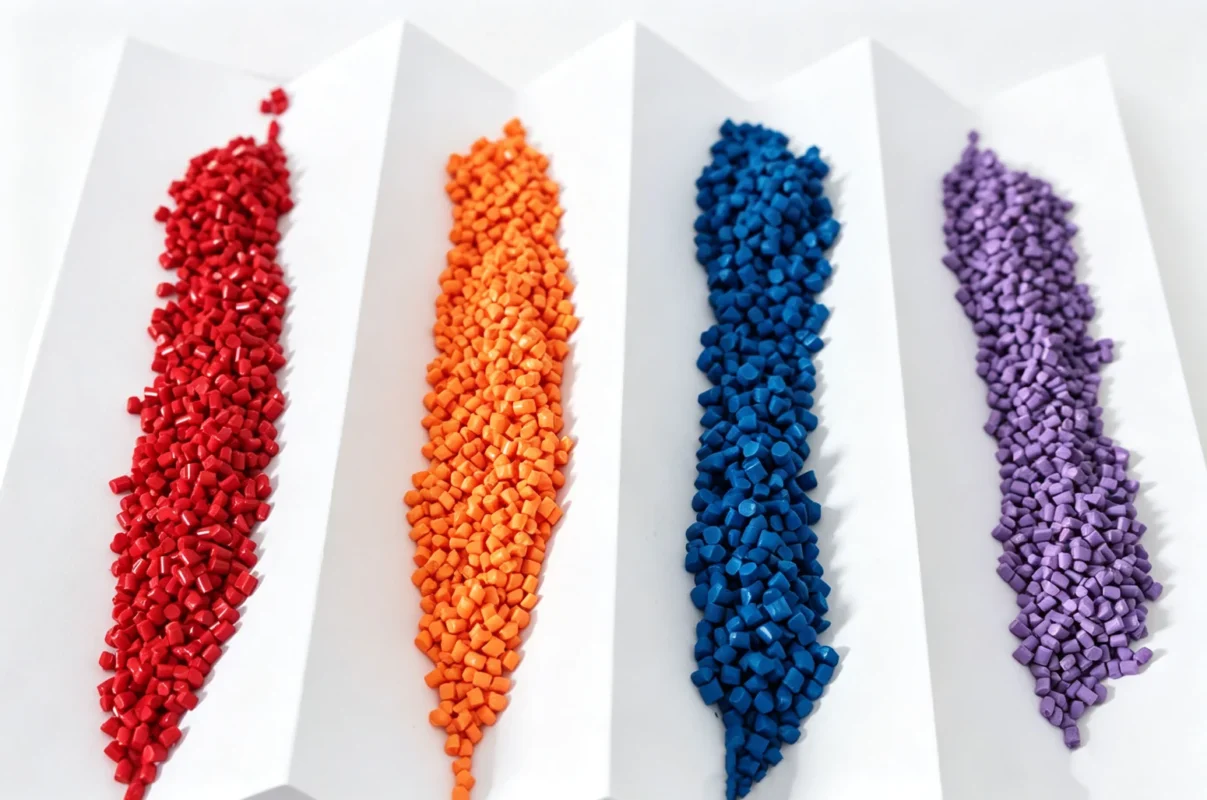
A new product color can look convincing in a design presentation and still leave purchasing with an incomplete material request. The right custom color masterbatch supplier helps connect the design intention with the resin, surface and manufacturing route of the product being launched. MIRACLE’s customizable PE/PP colors, black and white options, PET-based family and in-house development provide a manufacturer-backed starting point for that work.
For a product team, the first decision is which finished sample will demonstrate success. For purchasing, it is how that accepted sample will become a defined material order. Those decisions should develop together. A launch can have one recognizable visual theme while its molded part and packaging require separate material evaluations.
Choose a custom color masterbatch supplier before the color brief becomes a purchasing shortcut
A color code is convenient for organizing a launch, but it does not describe every feature of the product around it. A designer may imagine a matte surface while a converter evaluates a smooth sample. The buyer may want a translucent package while another team assumes hiding power is important. If these interpretations remain unstated, the first sample may be judged against requirements that were never part of its brief.
MIRACLE’s customizable color masterbatch is presented around the target shade, finished appearance, resin and process. That is a useful combination for a launch team because the color decision is attached to the material that will carry it into production. Give the manufacturer the intended product and appearance, not simply the commercial name that the marketing team has chosen for the new shade.
The initial brief can be compact. Identify the product, its polymer, the relevant processing method and the reference sample or color direction. Add the surface and any transparency or opacity objective. If the design is still changing, explain what remains open. That gives the material discussion a clear purpose without pretending the early concept has already become a complete manufacturing specification.
Let the finished article lead the custom-color development
A molded PP colorway should show its visible surfaces
For a PP household component, identify the faces that the customer will see and the surface finish intended for each. A textured lid and a smoother body may need to be judged together, not separately against a reference unrelated to their final surfaces. A color discussion grounded in the actual component is more useful than approving a convenient sample and discovering the surface issue when the launch order is already being prepared.
MIRACLE’s in-house development and pilot-scale evaluation give the team a practical route for reviewing a proposed material. The customer still needs to contribute the actual resin and relevant process context. The manufacturer can then understand what the proposed color must achieve in the finished article rather than assume that a generic plaque captures every detail of the product design.
A PE packaging colorway should define what remains visible
A colored PE package may be intended to reveal its contents, partly obscure them or present a more opaque appearance. Those are different design priorities. State the intended film form and thickness context so the sample can be considered against the package that will be sold. A color name does not identify how much of the background the buyer expects to see through the material.
If the packaging is being coordinated with a molded item, describe the intended relationship rather than requiring both materials to share an unqualified formulation. MIRACLE’s PE/PP portfolio can support the appropriate color discussion for each, while the buyer keeps their separate production conditions visible. This creates room for a coordinated visual program without overlooking the differences between the actual products.
A PET colorway needs its own carrier discussion
The PET masterbatch family gives polyester products a dedicated starting route. MIRACLE describes this range around custom colors for glossy plastic products, with transparency or opacity and processing conditions discussed for the project. A launch team should not treat a PET article as another location for its existing PE/PP concentrate merely because the intended shade belongs to the same collection.
Retain the actual PET product form and the appearance that matters to the design. A glossy surface and a transparent color are not interchangeable requirements. Explain whether the sample is intended to demonstrate hue, clarity, hiding or a particular relationship between those features. The development discussion can then remain focused on the chosen design route instead of accepting a broad appearance word as a complete approval.

Use neutral masterbatch families to sharpen the color decision
Some launch discussions become clearer when the buyer considers how the design relates to white or black rather than treating every request as an unspecified custom color. MIRACLE’s white PE/PP masterbatch and black masterbatch are distinct parts of the portfolio. They give the team recognizable starting points for neutral-tone and opacity questions.
The white series is published with 20%–80% TiO₂, while the black series lists 18%–50% carbon black across applications. These ranges describe concentrates within the material offering, not universal addition recipes. The launch team should evaluate the selected proposal in the intended article instead of using the largest concentration percentage as a shortcut to a design approval.
For example, a package intended to conceal the product inside it needs an agreed hiding objective, while a white molded accessory may be judged against a different visual reference. Bring the actual appearance decision to the material discussion. MIRACLE’s range is valuable because it provides more than one relevant family to consider, not because a family name removes the need for an application-specific evaluation.
Keep the launch color trial focused enough to teach you something
A first trial should help the team decide what is working and what remains unresolved. Record the material reference, actual resin, addition basis and relevant processing conditions. Explain which sample represents the customer-facing appearance. If several things change between trials, identify those changes before asking the manufacturer to interpret the latest result as a direct comparison with the earlier one.
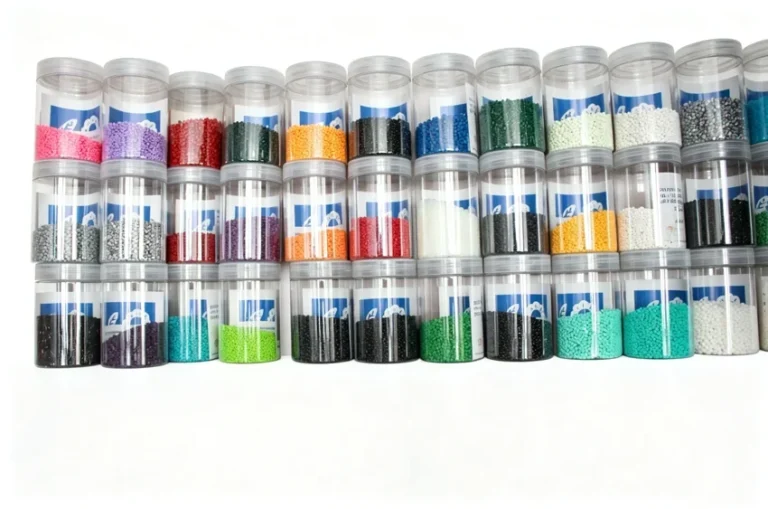
For a launch involving several shades, a common evaluation basis can make the review more useful without forcing the formulations to be identical. Keep the accepted sample associated with each shade and product. A collection of unlabeled jars may demonstrate an attractive palette, but it does not tell the factory which material and product combination has actually been reviewed.
A practical sequence for this specific colorway decision is to:
- Identify the visual reference and the actual article it is intended to represent.
- Keep each polymer and production route connected to its own proposed material.
- Evaluate the finished surface, thickness and transparency or opacity objective together.
- Separate color acceptance from any additional functional or mechanical requirement.
- Carry the accepted material and sample identities into the launch order.
This sequence is not a fixed test method or a MIRACLE performance specification. It organizes the decisions a product team needs to make so that development feedback can remain connected to the launch brief. The evaluation method and acceptance requirements should still be established for the actual selected material and end use.
Give functional requirements a place in the new-color brief
A colorway may introduce a requirement beyond appearance. MIRACLE’s functional family includes anti-aging, UV, PPA, antistatic and antiblocking categories. If the project requires a particular function, state it before the color is treated as released. Do not assume that a function mentioned elsewhere in the portfolio has automatically been incorporated into the custom shade being evaluated.
This is especially relevant when a launch has several products sharing a visual identity but serving different uses. The packaging requirement may differ from the molded item’s requirement. A brand can coordinate the appearance while the material team keeps the separate functional discussions explicit. A direct manufacturing relationship is useful when those differences are communicated early enough to guide the proposed route.
For general industry background, Avient’s solid-color masterbatch overview illustrates that colors are developed around application and processing needs. It should not be read as evidence that MIRACLE offers another company’s named technologies, performance results or regulatory approvals.
A rigid product and a flexible grip need separate color-material decisions
A new household or fitness product may combine a colored rigid component with a softer grip. MIRACLE’s TPE/TPU portfolio makes that a relevant extension of the launch conversation, but it is not the same purchasing request as adding color masterbatch to an existing PP resin. The flexible component brings feel, hardness and material behavior into the brief alongside appearance.
Explain whether the design intends the grip to look closely coordinated with the rigid part or to create a deliberate contrast. Then evaluate each material in the form that matters to the finished product. A flexible surface and a rigid molded surface should not be described as already approved simply because a development presentation assigns them one brand color. The carrier and material route still need their own application review.
MIRACLE’s experience across masterbatch and thermoplastic elastomers allows both requirements to be described within a connected materials discussion. The buyer gains a broader manufacturing perspective while keeping the decisions clear: the concentrate’s role in the rigid product, the selected flexible material and the visual relationship intended between them. Discuss hardness, processing and use conditions for the flexible part rather than treating its appearance as the only release requirement.
Before the launch order combines those components commercially, retain an accepted reference for each. That preserves the design intention without claiming that different material families must share an identical formulation or that a suitable color automatically establishes the grip’s functional suitability.
Release the launch quantity with the approved color identity intact
When purchasing moves from samples to a launch order, preserve the exact material reference that the development work established. MIRACLE’s published approach combines manufacturing with incoming-material attention, process control and checks during production. The customer’s approved identity should remain recognizable as that material moves into the commercial order and receiving instructions.
The company also allows packaging requirements to be discussed around bag format, pack size, labels and pallets. For a launch with several shades, use that discussion to support correct identification. Agree which references need to appear so that the warehouse can distinguish the materials without relying on a color nickname or a photograph from the earlier design presentation.
A required quantity, destination or target schedule should be discussed for the selected material and order. No fixed MOQ, inventory quantity or delivery time follows from the fact that custom colors are offered. A useful manufacturer relationship makes those commercial questions part of a clear conversation without replacing them with a promise that has not been agreed.
Make the new colorway repeatable as a purchasing decision
MIRACLE brings custom colors, several carrier-based families and in-house development into one materials business. For a buyer launching a new product, that combination offers a practical route from an initial appearance intention to a more defined proposal. The benefit comes from keeping the finished product at the center of the conversation as the design becomes an order.
If the appearance reference is still unclear, compare the discussion of evaluating color around the finished part. If an existing color program is moving from another source, the custom concentrate sourcing-transfer discussion considers a different starting problem from a completely new design.
Before calling the color ready for launch, make sure the accepted sample, selected concentrate and actual production article can be connected without interpretation. That is the point at which a promising shade becomes a material decision the factory can use and the buyer can recognize again when it is time to reorder.