
A PET Color Masterbatch Supplier for Transparent and Opaque Design Routes
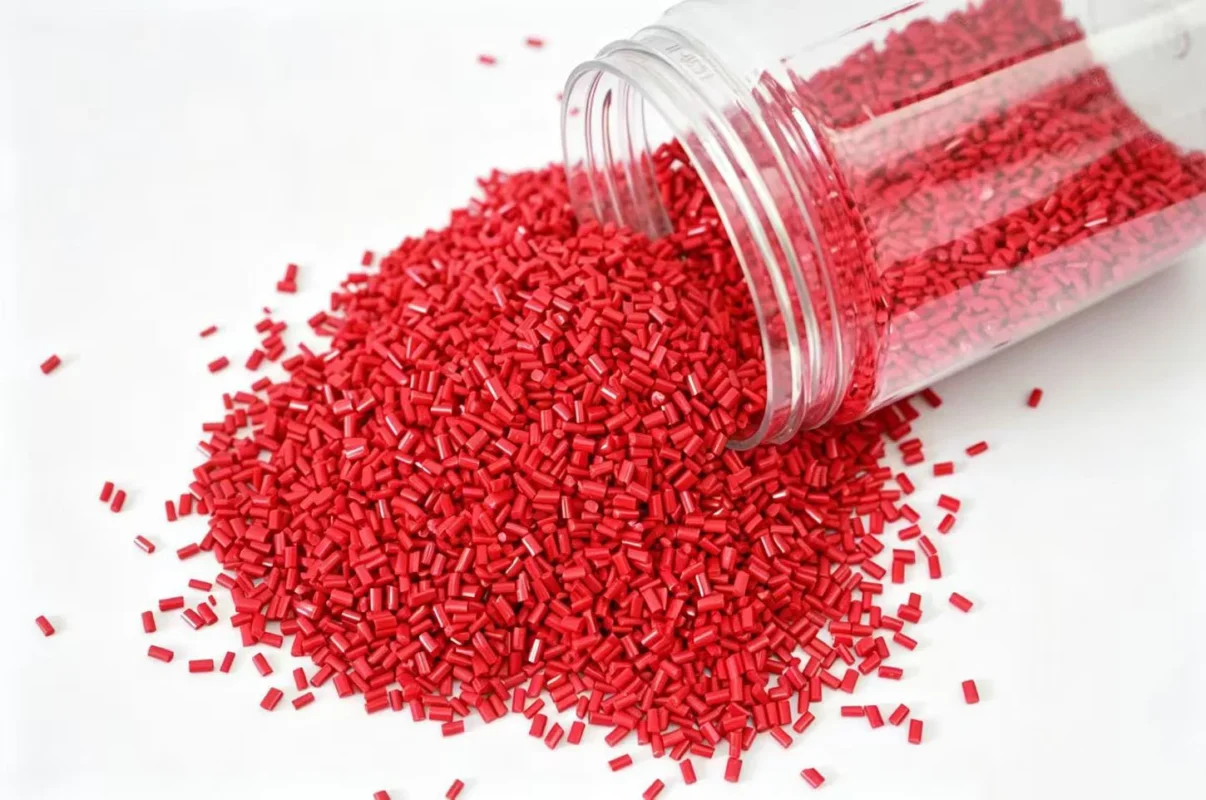
Should the customer see through the colored PET article, or should the article conceal what is behind it? That decision belongs before the final shade approval. A PET color masterbatch supplier needs the optical intention as well as the hue. MIRACLE’s dedicated PET carrier family supports custom-color discussions for glossy plastic products, with the actual resin, processing conditions and transparency or opacity objective retained in the brief.
For a design or purchasing team, the useful first step is to choose the appearance route that serves the product. Do not ask a single word such as glossy to describe surface, color and hiding at once. MIRACLE’s manufacturing and in-house development provide a practical place to connect those design decisions with a proposed material that can be evaluated.
Choose the PET color route by what the finished design needs to reveal
A product can use color to reveal, conceal or coordinate with another component. These are different design intentions. Before the manufacturer proposes a direction, identify what the customer should see through or behind the article and which visible surface matters. The color name should remain part of the brief without carrying all of these other meanings by itself.
MIRACLE’s PET carrier range gives the enquiry a polyester-specific starting point. Its product guidance invites discussion of transparency or opacity, processing conditions and the finished application. This supports a clearer design conversation without claiming that an unspecified grade has already met every possible optical requirement.
For see-through PET color, retain what the viewer should see
If transparency is part of the product’s purpose, describe the relevant viewing arrangement. A retained article or agreed representative sample gives the comparison a recognizable form. The buyer should not rely on the concentrated pellet’s appearance to establish what the finished design will reveal.
Identify whether the reference is intended to demonstrate the hue through the material or another aspect of the appearance. If the sample geometry changes later, keep that change visible. The material proposal should be reviewed against the product being developed rather than treated as already accepted because an earlier sample had a pleasing transparent shade.
For opaque PET color, explain the hiding relationship
If the article should obscure the background, specify that intention separately from its color. The customer might need the product itself to carry the visual identity rather than allow what lies behind it to dominate the appearance. The selected proposal should be evaluated in a sample form that represents that requirement.
Do not transfer a composition number from MIRACLE’s PE/PP white family into the PET enquiry. The dedicated PET route needs its own confirmed proposal. A material portfolio can help the buyer find the right conversation without making different carriers and appearance objectives technically interchangeable.
For a coordinated PET component, identify its neighboring material
A colored PET article may sit within a collection that also uses PE or PP products. Describe the intended visual relationship rather than assume the same concentrate belongs in all of them. MIRACLE’s broader range allows the manufacturer to discuss the coordinated design while preserving the actual polymer routes.
For example, a brand may want several materials to look related without requiring identical optical behavior. A transparent article and an opaque companion can share a color direction while serving different purposes. Treat this as a design relationship to evaluate, not a promise that different polymers will automatically appear identical.
Give the PET color masterbatch supplier an evaluation that follows the chosen route
After identifying the route, define what the next sample needs to demonstrate. A color-direction exploration is not the same decision as a finished-product release. The buyer and manufacturer should know which one is being discussed so the early sample is useful without acquiring a broader approval than the evidence supports.
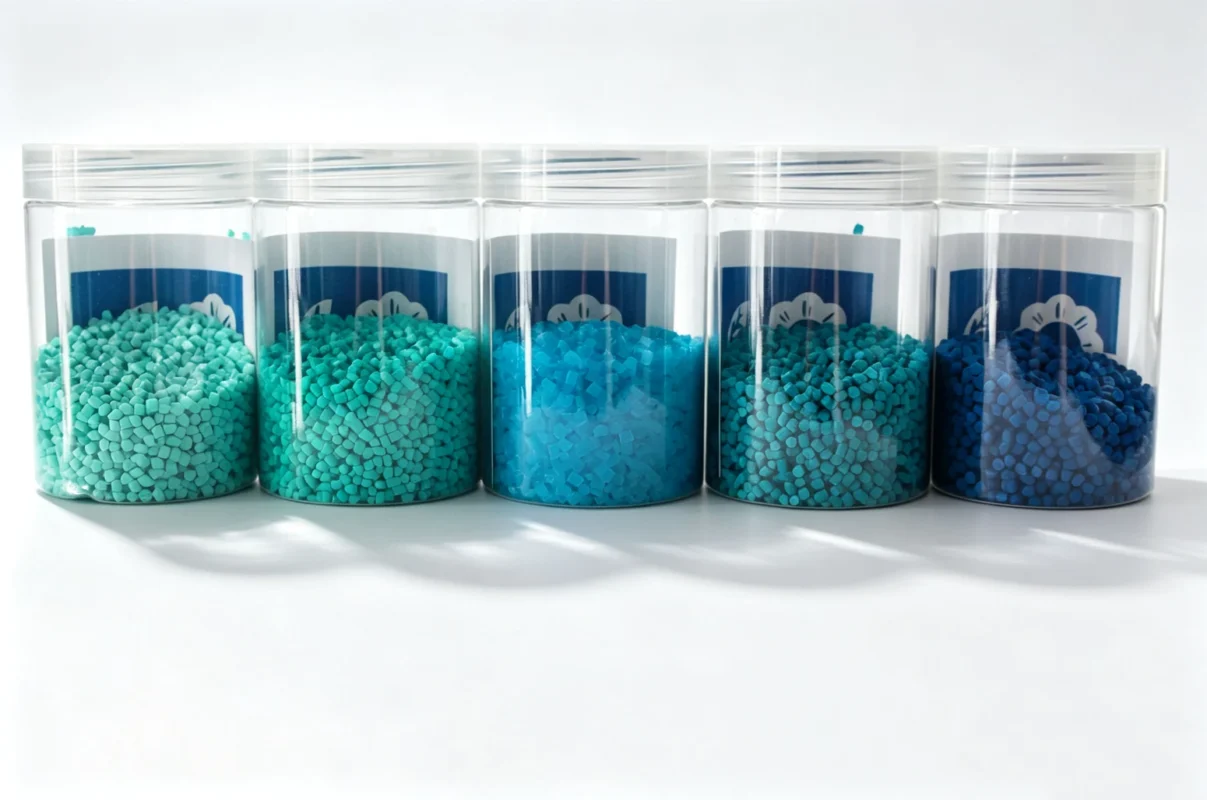
MIRACLE’s in-house development and pilot-scale sample evaluation create a practical route for that exchange. The customer contributes the actual PET resin, product form and relevant process information. A proposed material can then be reviewed in context rather than judged only through a broad family name or a sample jar.
A PET optical sample should retain its actual preparation basis
Keep the selected concentrate, base resin and relevant sample conditions identifiable. If the customer changes preparation or processing during development, report the change with the resulting observation. An unexpected appearance should not automatically be assigned to the formulation while other known conditions disappear from the record.
The applicable material guidance should come from the actual resin and proposed concentrate discussion. Do not borrow another supplier’s drying recipe or processing limit and present it as a MIRACLE instruction. The numerical appearance of a recipe does not establish that it belongs to the selected material.
A PET surface observation should not replace an optical decision
Describe the surface appearance separately from the ability to see through the article or hide a background. A glossy surface can be one design feature while the customer still needs to choose a transparent or opaque color route. Keeping those questions distinct makes the supplier feedback more precise.
If a measured criterion is required, identify its applicable method and conditions. No universal haze, transmission or gloss threshold is established by MIRACLE’s broad PET-family description. The actual selected proposal and product need a relevant acceptance basis instead of an invented number that merely makes the brief look complete.
A revised PET design should identify which approval it changes
If the product changes from see-through color to hiding, say that the optical objective has changed. If the geometry changes while the target remains similar, explain which sample now represents the customer’s intended product. The manufacturer can preserve useful earlier development information while reviewing the actual revision.
This is different from declaring that every product change must require a completely new formulation. That conclusion needs application evidence. The important point is that the buyer should not call a revised design an unchanged repeat trial and then expect the original sample to explain the new result on its own.
Compare transparent and opaque PET briefs without inventing grade specifications
The comparison below concerns design questions, not a MIRACLE grade table or a claim of measured optical performance. It helps the customer state what the selected material proposal should be evaluated against.
| Design choice | Brief that makes the choice clear | Evidence still needed for the actual proposal |
|---|---|---|
| See-through color | The intended product form, hue and relevant viewing relationship | A sample in the selected material system that represents the desired transparent appearance |
| Hiding color | The background to obscure and the article form in which it matters | A relevant product comparison rather than a tone approval alone |
| Glossy visible surface | The actual surface and the appearance relationship expected by the customer | The agreed surface or appearance evaluation, separate from transparency assumptions |
| Color coordination across polymers | The materials being compared and the intended design relationship | Application-specific proposals and samples for the different polymer routes |
For professional context, LyondellBasell’s PET masterbatch overview presents different application and color routes. Its proprietary formulations, numeric properties and product approvals are not MIRACLE specifications and are not adopted here.
Resolve the PET design conflict before requesting the next color sample
A design brief can contain several reasonable intentions that have not yet been prioritized. Make the relationship between them clear enough that a proposed sample has a purpose. MIRACLE’s dedicated PET discussion is more useful when the customer identifies the actual conflict than when the manufacturer is asked to satisfy several different interpretations of a broad color description.
A PET brief asks for see-through color and strong hiding at once
Explain where each intention matters and which one governs the intended product comparison. The buyer may be describing different surfaces, different product versions or an unresolved design choice. Do not reduce that situation to a request for more colorant before the customer has decided what should remain visible. A proposal can then be reviewed against a defined route rather than judged differently by separate members of the design team.
This does not require the supplier to declare a universal optical rule for every geometry. It requires the brief to identify the article and appearance relationship being developed. Keep the accepted decision recognizable so a later sample is not evaluated against a different priority that was never communicated.
A PET color is approved against a presentation background that changes in use
If the initial image or sample was reviewed against a particular background, identify whether that represents the intended product. The customer may need another comparison to understand the article in its actual use arrangement. Preserve the original sample as evidence of what was reviewed, but do not assume it answers an appearance question created by a different background or product form.
Photographs can communicate that design issue without establishing a numerical optical result. Retain the physical reference or agreed comparison basis for the decision itself, and explain the changed arrangement to MIRACLE with the material and resin context attached.
A transparent PET item must coordinate with an opaque PP item
The design can have one color direction while the two materials need separate proposals and product evaluations. State the intended relationship between the items instead of demanding an unqualified identical result from one concentrate. MIRACLE’s PET and PE/PP families make it possible to discuss those related needs within the same manufacturing relationship without disguising their different carrier routes.
The buyer should accept the actual collection relationship it needs, using the product forms that matter. A matching shade name on two purchase lines cannot demonstrate that the transparent and opaque articles create the intended visual result when placed together.
Keep PET appearance separate from unconfirmed functions and end-use approvals
A preferred optical result does not establish every other requirement of the final product. If the application needs a particular declaration or functional outcome, state it explicitly with the intended use and destination. MIRACLE’s document enquiry route can then be connected to the selected proposal rather than a generic request for all available certificates.
The company’s functional categories include several material objectives, but the list is not proof that every option has been combined with every PET shade. Confirm what the actual material covers before presenting the color proposal as a complete functional release.
The broader PE/PP color family, white PE/PP range and nonwoven category should likewise keep their own material and application scope. A shared manufacturer can simplify the conversation without making those families interchangeable with the PET proposal.
Preserve the selected PET design decision when the material becomes an order
MIRACLE’s production approach describes incoming-material attention, initial examination and samples during manufacturing. Keep the selected material identity connected to the appearance route and product that were evaluated. A commercial description that says only glossy red should not erase the actual transparent or opaque requirement.
Packaging can be discussed around bag format, pack size, labels and pallets. If the customer holds related colors in several polymers, preserve the agreed identities so the receiving team can distinguish them. Similar pellet color does not establish that the materials share the same carrier or approved use.
The guide to PET supplier selection for clear and glossy products gives a wider sourcing view. The discussion of custom color for a product launch considers how a new shade moves from design intention toward a defined material order.
MIRACLE’s dedicated PET route and development support are useful when the customer knows what the design needs to reveal or conceal. Define that choice first, retain the actual material and product context, and let the sample demonstrate the selected appearance route rather than ask a broad color word to make the decision for you.