
A PP Black Masterbatch Supplier for Molded Components, Not Just Dark Pellets

A black PP component can have the right color name and still leave its surface or use requirements unresolved. A PP black masterbatch supplier should review the actual polypropylene, part geometry and appearance objective before treating dark pellets as a completed material decision. MIRACLE’s PE/PP black family covers a published 18%–50% carbon black range, supported by manufacturing experience, in-house development and material evaluation. That combination gives buyers a practical route for discussing the component rather than color alone.
Start with the visible part and the conditions in which it will be judged. Keep a mechanical or functional requirement separate from the appearance approval. A direct manufacturer relationship is strongest when the buyer can explain which questions the proposed material must answer and which ones still require evaluation.
Give the PP black masterbatch supplier the component’s actual appearance target
A purchasing request may say black while the designer means a particular surface impression. Identify the relevant face, texture and relationship with neighboring parts. The material team should know whether a reference represents the actual component or only an early color direction.
MIRACLE’s black masterbatch family is described around appearance, dispersion needs and intended plastic processing use. Retain the actual PP resin and process alongside the sample. A broad PE/PP family label helps locate the offering, but it does not describe every polypropylene component or provide a universal production instruction.
Black PP surface appearance should be judged on the relevant face
A smooth sample may not represent the textured surface the customer sees on the product. State which surface governs the next decision and how it relates to the retained reference. If several visible areas matter, keep them identifiable rather than rely on one convenient specimen to demonstrate the whole component.
A photograph can show a concern, but the parties should agree what counts as the approval basis. A customer-facing part, physical reference or defined measurement comparison provides a different kind of information from an image viewed under unspecified conditions. The supplier should not have to guess which one is intended to govern the material decision.
For example, two molded PP pieces in one assembly may have different finishes. The buyer should identify whether their intended relationship is close coordination or a deliberate contrast. This is a design scenario, not a reported MIRACLE result, and it shows why the word black alone is not a complete appearance requirement.
Keep the black PP resin identity connected to the trial
The actual base resin belongs with the selected concentrate and sample. If the customer changes resin during development, report that change before treating a later result as a direct repeat of an earlier trial. A familiar color target does not establish that the material system remained unchanged.
MIRACLE’s in-house development and pilot-scale evaluation provide a useful route for discussing a proposed material against that actual context. The customer contributes knowledge of the production line and the part being made. Together, those inputs make the next comparison more meaningful than a request for a generally better black.
If the resin choice is still open, keep that decision visible. A sample prepared to explore an appearance direction should not silently become approval for a later production resin. The buyer can preserve the useful color work while identifying what the final material system still needs to demonstrate.
Interpret black concentration without assigning unmeasured PP performance
The published 18%–50% carbon black range describes MIRACLE’s black concentrate family across applications. It is not a universal addition range for the customer’s PP resin and does not establish a specific component property. A selected proposal should keep its material identity and relevant guidance attached to the actual job.
A higher concentration should not be treated as proof of a better surface, greater strength or a more suitable processing result. Composition is one part of the proposal. The finished component still needs a relevant evaluation against the customer’s requirements, including any separate observations beyond color.
Cabot’s black-masterbatch overview illustrates the role of formulation and dispersion in intended applications. Its technologies and product claims do not establish an equivalent MIRACLE grade, mechanical result or electrical property.

Separate PP component behavior from black appearance
Mechanical requirements need their own identified evaluation
An accepted black face does not measure the component’s material response. If the product has a mechanical requirement, identify what needs to be assessed and how the relevant sample will be prepared. The selected concentrate, base resin and evaluation conditions should remain connected to the decision.
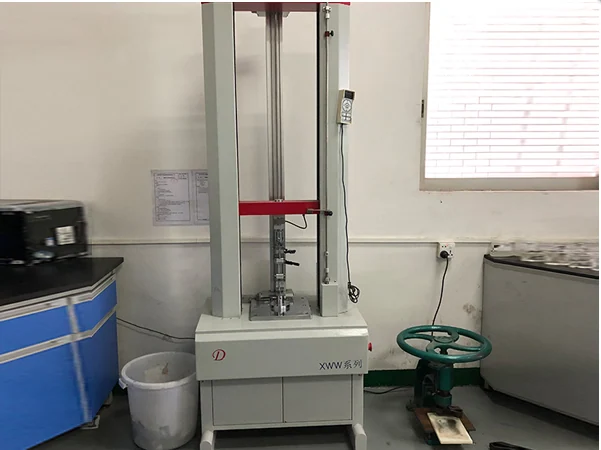
MIRACLE’s laboratory information includes tensile, hardness and impact equipment. These illustrate different evaluation resources rather than a universal result for every black product. Do not convert a photograph into a particular test certificate or assume every possible component property is checked on every shipment.
The buyer should distinguish a requested criterion from an observed result. A requirement in a component specification has not been achieved merely because it appears in the enquiry. Keep its status clear so the material proposal is neither rejected nor accepted on the basis of an assumption that no relevant evaluation has established.
A functional black PP request should name the required outcome
MIRACLE’s functional masterbatch categories include anti-aging, UV, PPA, antistatic and antiblocking. If the PP component needs a particular function, identify the actual use and intended outcome rather than treat black color as the functional specification.
A request for an electrical property, for example, should state the required property and relevant evaluation rather than rely on a black appearance. The existence of an antistatic category does not establish a conductive grade or a numerical electrical result for an unspecified black formulation.
Likewise, an outdoor-use component should retain its actual application requirements. No weathering life follows from the broad black-family description. Confirm what the selected proposal covers and keep unconfirmed requirements visible instead of presenting a color approval as a complete end-use release.
Use black PP trial feedback to make the next sample more specific
If a result is not accepted, describe the observation before assigning a cause. Distinguish tone, visible uniformity, surface relationship and any separate material-behavior concern. Keep the actual sample, resin and concentrate identities with that feedback so the manufacturer knows which comparison is being discussed.
A changed texture or resin should be reported as a changed condition. A new sample may still need a material review, but it should not be judged as an unchanged repeat trial while known differences are omitted. This gives MIRACLE’s development conversation a clearer question to address.
Do not default to increasing concentrate addition merely because the product is not accepted. The reported issue and proposed remedy need to relate. A broad black percentage cannot explain whether the customer is asking for another shade direction, a different surface relationship or an evaluation of a separate requirement.
Read a black PP appearance comparison at three product levels
The color-reference sample, the actual component face and the assembled product can contribute different information to one decision. Identify which level is being discussed before asking the manufacturer to alter the formulation. A reference may establish a useful direction while the actual textured part or the relationship between adjacent pieces still needs review.
- The identified black color reference.
- Retain what this sample was intended to demonstrate and the material context in which it was prepared. If it was only an early shade exploration, say so. Its usefulness should not be overstated into a mechanical or surface approval that the sample was never designed to establish.
- The customer-facing PP component.
- Identify the actual resin, surface and part geometry associated with the observation. If it differs from the reference in a known way, keep that information with the comparison. An appearance disagreement becomes easier to interpret when the material team knows which production face the customer is judging.
- The assembled product relationship.
- Explain which parts should look coordinated and which differences are intentional. A color accepted on one isolated component does not automatically establish the intended appearance when several materials or finishes meet. The product-level judgment should remain distinguishable from the single-sample color direction.
For a purchasing team, these distinctions prevent an ambiguous instruction from replacing the product brief. A request to repeat the approved black should identify whether it refers to the early color direction, the accepted PP face or a particular assembly comparison. The selected material and relevant evaluation should remain connected to the meaning actually intended.
If a later change affects only one of these levels, identify that boundary. A revised texture on one PP face does not necessarily reopen every unchanged component in the collection. Conversely, a changed appearance reference should not be treated as automatically reflected in an order placed against an earlier material decision.
MIRACLE’s development conversation can then focus on the real revision while preserving the useful parts of the accepted work. This gives the buyer a more precise basis for a proposed sample and gives the manufacturer a clearer description of what the next black material needs to demonstrate. No measured result, exact intercomponent match or universal formulation remedy is implied by the comparison structure itself.
Keep other MIRACLE material routes recognizable in the PP project
The custom-color family and white PE/PP range give a component program other appearance starting points. If the design changes away from black, evaluate the new selected route rather than assume a previous black sample establishes a general material approval for every color.
A flexible grip paired with the PP body creates a separate material role. MIRACLE’s TPE/TPU business allows that requirement to be discussed within the same broader relationship, while hardness, feel, process and end-use conditions remain part of selecting the flexible material.
A coordinated black appearance across rigid and flexible parts should not be interpreted as proof that one concentrate or material can replace the other. The buyer needs the intended product relationship and the application-specific proposal for each role, not only matching color descriptions on two purchasing lines.
Make the PP black order repeat an identifiable component decision
MIRACLE’s manufacturing approach describes incoming-material attention, processing control, initial examination and samples during manufacture. Connect the commercial order with the selected black material and its accepted application basis so the production discussion refers to the same proposal the customer evaluated.
Packaging can be discussed around bag format, pack size, labels and pallets. A factory holding several black materials should preserve the agreed identification when bags reach the molding line. Similar pellet appearance should not be the only distinction between a component-approved material and another black stock held for a different job.
Keep the relevant current documents and any unconfirmed application requirements attached to that selected reference. A clear material identity is useful to purchasing, receiving and production without inventing a universal test result or a fixed delivery promise that has not been established for the order.
The guide to black-material dispersion decisions separates several processing observations. The wider discussion of PP molded-part development places the black appearance within the component’s broader material brief.
MIRACLE’s black family, development support and related functional options give PP component buyers a practical manufacturing relationship. Use it to make the selected material answer a defined product question, rather than ask dark pellets to demonstrate appearance, function and component behavior all at once.