
Where a PP Masterbatch Supplier Fits in Molded-Part Development

A PP component is not ready for material release just because its color looks acceptable. The buyer also needs to retain the actual polypropylene resin, visible surfaces, manufacturing context and any separate component requirements. MIRACLE offers a manufacturer-backed route through PE/PP color, black, white and functional masterbatch, supported by in-house development and material evaluation. A PP masterbatch supplier is most useful when those resources are connected to the part your factory intends to make.
Begin with the component, its production resin and the appearance that matters to the customer. State additional functional or mechanical requirements separately. This gives MIRACLE’s material team a more practical development brief than a shade code accompanied by an assumption that every other property will remain unchanged.
Bring the molded component into the PP masterbatch supplier discussion
A purchasing description might say blue PP, while the production drawing shows a textured outer face, thinner sections and an adjacent component that must look coordinated. Those are material-selection details, not decorative information. The manufacturer needs to understand what the customer will see and what the finished part is expected to do before a sample can be judged against the right requirement.
MIRACLE’s PE/PP material portfolio provides several starting routes. The actual PP resin and manufacturing method should remain attached to the selected proposal. A family label helps organize the enquiry, but it is not a substitute for the specific production system used in the trial.
If the resin is still being chosen, make that decision visible. A sample intended to explore a color direction does not necessarily establish approval for a later resin selection. A direct manufacturing conversation is useful because the material proposal can be considered alongside the customer’s actual development status instead of assuming all design choices are already settled.
Choose the PP appearance family around the finished design
Custom PP colors need the relevant surface reference
MIRACLE’s customizable color masterbatch supports a defined shade discussion. Send the reference with the component context, including the visible surface and the intended comparison. A smooth plaque can introduce a target without representing every feature of a textured production part.
For a product assembled from several pieces, explain which appearance relationships matter. The material team should know whether two components sit next to each other or are judged separately. That makes feedback about a color difference more useful than a request to make the concentrate slightly brighter with no identified product comparison.
Black PP components need more than dark pellet appearance
The black family spans a published 18%–50% carbon black range across applications. This describes concentrates in MIRACLE’s offering, not a fixed addition level or a guarantee about every molded surface. Identify the actual black appearance required on the component and any relevant texture or geometry.
Keep separate functions explicit. A component’s black color does not establish electrical behavior, outdoor service life or mechanical performance. The selected material should be discussed around the actual intended use rather than treated as a complete functional package because it belongs to a familiar black category.
White PP components need a defined tone and hiding basis
MIRACLE’s white PE/PP series is published with 20%–80% TiO₂ for different requirements. A white-tone reference and a requirement to hide a background are related but separate questions. Retain the part sections and surfaces that matter to the finished appearance instead of selecting a proposal solely from the largest concentration number.
If a thinner section or a different surface is introduced later, identify the change before treating the new part as a direct repeat of the earlier approval. The manufacturer and buyer can then discuss what the original sample actually represented and what the changed product still needs to demonstrate.
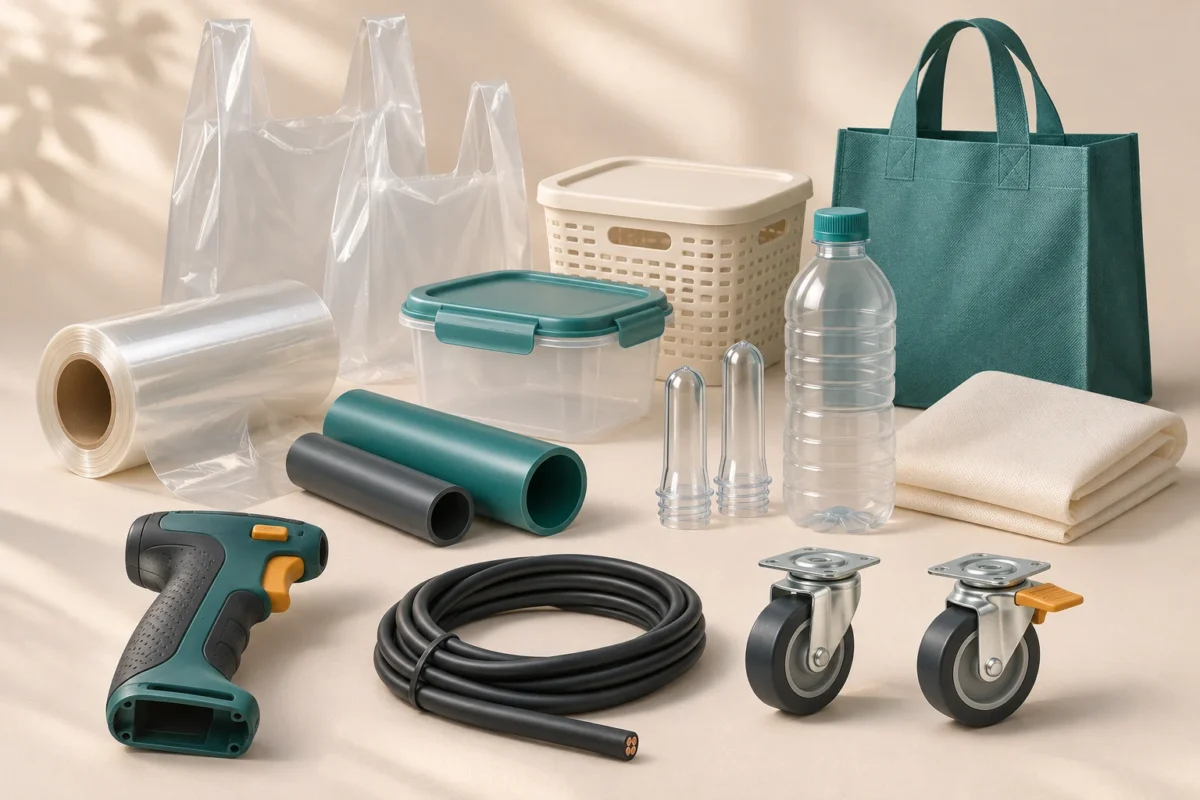
Let the PP part’s function shape the masterbatch brief
A component may have a requirement beyond shade or neutral color. MIRACLE’s functional family lists anti-aging, UV, PPA, antistatic and antiblocking categories. Identify the desired outcome and the actual component rather than forwarding a general request for improved performance.
The category list does not prove that an unspecified color-and-function combination has already been confirmed for the selected PP application. Ask what the proposed material actually covers and retain the relevant evaluation requirements. This gives the direct manufacturer relationship a more useful role than relying on broad product descriptions as though they were complete release documents.
For example, a component exposed to a particular use environment should state the relevant requirements instead of assuming its color choice establishes them. No outdoor lifetime, safety approval or other performance threshold should be added to the order without applicable support for the selected material and end use.
Separate PP mechanical review from visual acceptance
A pleasing appearance answers an important design question, but it does not measure the component’s mechanical behavior. If the finished part has an acceptance requirement in that area, identify what needs to be evaluated. The selected resin and concentrate should remain associated with the sample used to make that decision.
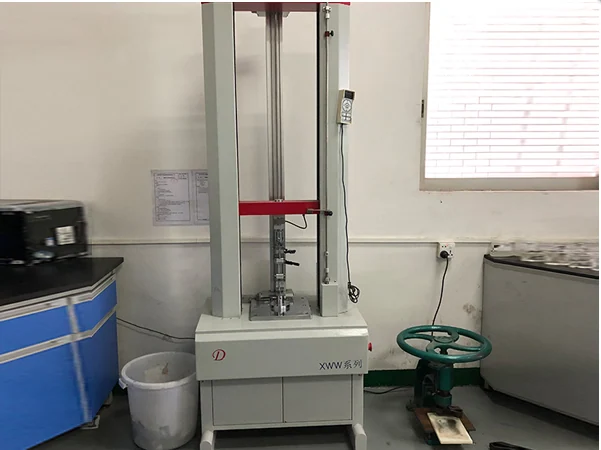
MIRACLE’s laboratory information includes tensile testing, hardness evaluation and impact equipment. These illustrate different evaluation resources. Their presence is not proof of a particular component result, a universal test schedule or an accredited report covering every supplied masterbatch. The required method and acceptance basis need to be relevant to the actual question.
A molded-parts team should therefore keep appearance observations and mechanical observations distinguishable in its feedback. If both are being reviewed, say which sample and conditions support each result. This is more useful to the manufacturer than treating the word approved as though it explained every aspect of the finished component.
Use pilot-scale development as a focused step toward the PP production trial
MIRACLE’s company information describes pilot-scale processing and practical sample evaluation. For a PP component program, this provides a route for discussing the proposed material against a defined product requirement. It does not mean a pilot setup duplicates every mold or customer machine.
The buyer should contribute the actual resin, component reference and manufacturing context. Identify whether the next sample is intended to explore a shade, assess visible uniformity or answer another specific question. A useful trial brief makes it easier to distinguish a promising direction from a fully accepted production material.
If the result is not accepted, preserve the material identity and describe the observed difference. A surface issue, tone difference and separate component-behavior concern should not all be reported as the wrong color. The next discussion can then address the actual observation instead of applying a broad correction without knowing the comparison basis.
Do not interpret PP melt-flow information without its conditions
Technical data can support the selection discussion when it is tied to the selected material and its conditions. A melt-flow figure without the relevant temperature and load is not a complete basis for comparing two proposals. Nor should it be treated as a direct measurement of every behavior that matters in the customer’s molding process.
ASTM’s description of melt-flow testing explains its empirical, condition-dependent nature and limits on inferring other properties. That is industry context for reading data carefully, not a claim about a particular MIRACLE test value or a prescribed processing setting.
For a MIRACLE PP enquiry, request the current technical information relevant to the proposed grade and explain the processing question that needs an answer. The actual trial and component requirements remain important even when useful numerical data are available. More figures do not settle the decision if they describe different materials or different comparison conditions.
A PP body and a flexible grip belong in connected but distinct material decisions
A finished product may pair a rigid PP component with a softer grip or another flexible element. MIRACLE’s TPE/TPU business broadens the materials discussion for this kind of design. The flexible part brings feel, hardness, processing and end-use requirements into view rather than merely adding another color request to the PP concentrate order.
Identify the intended visual and functional relationship between the parts. A coordinated appearance does not establish that the same concentrate or material route applies to both. Evaluate each selected material in the context of its own role, while retaining the product-level relationship the designer wants to achieve.
This is a practical advantage of a manufacturer working across masterbatch and thermoplastic elastomers. The customer can discuss both requirements within one materials relationship without pretending that a color addition and a flexible component material are the same purchasing item.
Keep the accepted PP material identity recognizable in supply
MIRACLE describes incoming-material monitoring, attention to processing conditions, initial examination and sampling during manufacture. These practices support its manufacturer role. The customer’s order should retain the selected material reference and the relevant requirements so those discussions remain connected to the proposal that was evaluated.
Packaging can be discussed around bag format, pack size, labels and pallets. A factory holding several PP colors or neutral materials should preserve the agreed identification when stock is received and issued to production. An informal shade name should not replace the selected reference when similar-looking concentrates serve different components.
Keep quantity, destination, requested documents and timing requirements with the actual order. There is no fixed minimum quantity or lead-time promise implied by the product range. The commercial discussion should confirm the conditions for the selected material while retaining the technical basis that made it a relevant choice.
Keep a PP component sample set that reflects the release decision
For an assembled product, one attractive sample may not show every material decision that matters. Identify which component, surface or trial specimen represents each requirement. This helps the buyer retain the evidence relevant to its product without implying that every available specimen carries the same approval.
| PP component decision | Useful identified reference | Question that remains separate |
|---|---|---|
| Color on the visible textured face | The actual face or an agreed representative sample made in the identified resin | Whether a different smooth surface will create the intended visual relationship |
| White appearance across relevant wall sections | The product sections that the customer actually needs to judge | Whether another geometry or resin has been evaluated |
| Mechanical requirement for the part | The sample and method associated with the relevant material-response evaluation | Whether the accepted visual sample demonstrates that separate requirement |
| Coordination with a flexible grip | The selected PP and flexible-material references considered in their intended roles | Whether appearance alone establishes functional or manufacturing suitability |
MIRACLE’s development and evaluation resources are most useful when the buyer can state which of those questions the next sample is intended to resolve. A clear sample set prevents a general statement such as “the part is approved” from obscuring a specific requirement that has not yet been reviewed. It also preserves successful decisions so later changes can be discussed against the correct product reference.
Release the PP component against the decisions its trial actually supports
MIRACLE’s color, black, white and functional families, together with in-house development, give molded-parts teams a broad but organized starting point. The useful supplier relationship connects those resources with the actual component rather than expecting a catalog color name to carry the entire engineering brief.
For a deeper surface handoff, the discussion of PP custom color on textured parts follows the appearance question. The masterbatch scale-up guide explains why an approved sample should keep its production context as the order grows.
Before release, identify which appearance and material requirements have actually been evaluated, which selected proposal they apply to and which questions remain open. A clear answer turns an attractive PP sample into a purchasing decision the production team can understand, without assigning performance to the material that no relevant trial has yet established.