
What to Send a PP Color Masterbatch Supplier for Textured Components
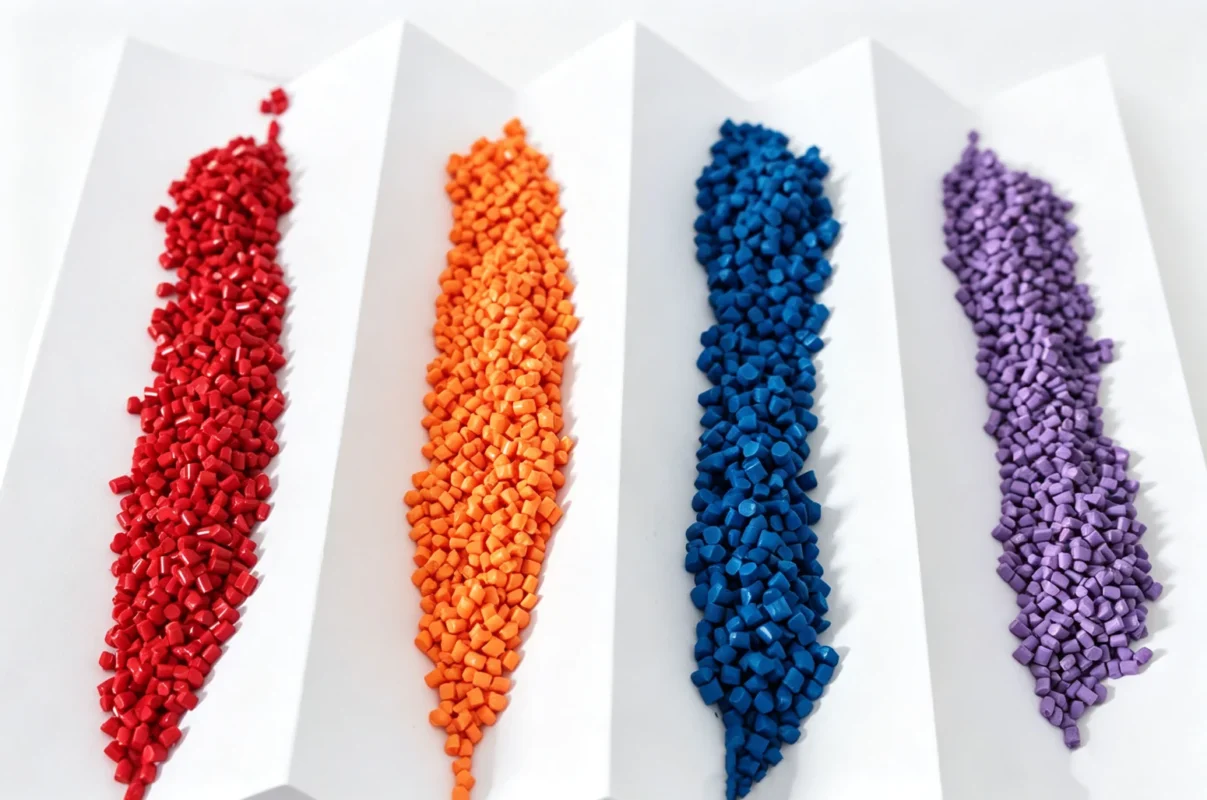
Two PP parts can share a color description and still look different when their surfaces are not the same. A smooth reference does not automatically represent the textured component that the customer will receive. For a product team working with a PP color masterbatch supplier, the most useful handoff includes the actual part, resin, visible finish and the comparison that matters. MIRACLE supports this discussion through customizable PE/PP colors, in-house development and pilot-scale sample evaluation.
Send the supplier a color intention with a clear product context. Identify which face is seen, which neighboring parts will be compared and which sample is supposed to govern approval. That lets MIRACLE’s manufacturing and development capability address the actual component instead of interpreting an unexplained request for a slightly different shade.
Build the PP color masterbatch brief around the customer-facing part
A technical handoff does not need to be a long generic form. It needs to explain the decisions that are still open in this component. If the product has a textured outer shell and a smoother insert, say whether they should look closely coordinated or intentionally different. If one face is the main visual surface, identify it before samples are judged against several unrelated comparisons.
MIRACLE’s customizable PE/PP color family gives the team a relevant material route. Keep the actual polypropylene resin and manufacturing method connected to the color request. A shade code can communicate a direction, but it does not describe the component’s geometry or surface by itself.
Show the PP texture that will remain on the production component
Provide an actual part or a clearly identified representation of the intended finish where available. Explain which surfaces are relevant to the appearance decision. A photograph can help communicate the design, but it should not silently become the complete approval basis if the customer expects a physical reference or another agreed comparison.
The point is to let the material team understand the surface being judged. If a smooth plaque was used only to explore the color direction, retain that distinction. The buyer can value the early development work without treating the plaque as an unconditional release for every texture later introduced into the product.
Identify the production PP resin rather than a broad plastics label
The actual resin belongs with the sample because the proposed concentrate will be used within that material system. If the resin is not yet fixed, say so. MIRACLE’s development conversation can then distinguish a color exploration from an evaluation intended to support a particular production choice.
If the customer changes resin after an early trial, identify the change before requesting a color correction. The next discussion should reflect the system that produced the observed sample. A familiar brand color name does not establish that every resin situation has been evaluated on the same basis.
Name the PP part comparison that matters to the assembled product
A buyer may be comparing the textured part with an adjacent molded piece, a retained reference or another product in a collection. These are different design relationships. State which one governs the next decision so the manufacturer is not asked to satisfy several unstated targets at once.
For example, a shell and insert intended to sit together should be assessed in that relationship when it is relevant to the product. This is a prospective design scenario, not a MIRACLE case result. The supplier brief should preserve the customer’s real visual decision instead of reduce it to a generic statement that both components are blue.

Evaluate PP color samples without confusing the reference with the production surface
MIRACLE’s in-house development and pilot-scale evaluation create a practical route for reviewing a proposed material. The customer contributes the part context and actual resin. The next sample should have a defined purpose: explore the shade, review a relevant surface or answer another stated question before the material is treated as ready for a commercial run.
Keep each sample identifiable. A small sample can communicate an appearance direction without representing every production feature. The buyer should know what the sample demonstrates and what still needs to be evaluated in the actual component. This makes the manufacturer relationship more useful than a sequence of corrections whose reference changes during every discussion.
Compare the textured PP face under an agreed viewing arrangement
Use a comparison that represents the customer’s intended judgment. If the reference and candidate are evaluated under different arrangements, the feedback may be difficult to interpret. The parties should know which surface, orientation and reference define the discussion rather than assume that every photograph or sample position is equivalent.
No universal numerical color tolerance is established by this guidance. If a measured criterion is required, identify the relevant method and conditions with the selected proposal. A precise-looking figure should not be inserted into the order merely to replace an unresolved visual requirement.
For general industry context, Avient’s color-reference services overview illustrates the value of an identifiable standard. Its specific services and performance statements are not MIRACLE commitments or evidence that a particular PP component has been approved.
Describe the PP appearance difference before suggesting a formulation remedy
Tell the material team whether the concern is tone, visible uniformity or the relationship between surfaces. Retain the selected material and sample context with the observation. A general request for a better color does not tell the manufacturer which part of the result the buyer wants to change.
If the texture, resin or component geometry changed, include that information before treating the new result as a direct repeat of the earlier trial. The observation may still require a material discussion, but it should not arrive with an assumed cause that the known comparison conditions do not establish.
A useful handoff can distinguish the following decisions without using them as a fixed test procedure:
- The color direction demonstrated by the original reference.
- The actual textured PP face that the customer needs to accept.
- The selected resin and concentrate used to prepare each compared sample.
- The particular difference observed in the assembled or customer-facing product.
- The requirement the next sample is intended to resolve.
Keep a successful PP color direction when reviewing a changed surface
A changed texture does not automatically make all earlier development work irrelevant. Identify which part of the color decision remains useful and which part is being reconsidered. The manufacturer can then review the actual change without being expected to restart an undefined search for a completely different material.
This is particularly useful for a product collection in which several components share an appearance intention. Retain the accepted relationship for the components that have not changed, while evaluating the revised PP face in its own context. Commercial coordination should not erase the boundaries of the individual material decisions.

Keep the textured PP gloss question separate from the shade question
A buyer may use the word color to describe a difference that also involves the visible surface. If the component has a separate gloss requirement, keep that requirement identifiable in the handoff. A shade reference and a surface criterion can be related design decisions without being the same measurement or the same material observation.
ASTM’s color-and-appearance overview identifies distinct practices for visual color appraisal, color differences and specular gloss. This supports keeping the questions separate; it does not establish that MIRACLE has measured a particular PP gloss value or adopted an unspecified acceptance limit.
For the shell-and-insert example, show which surface is being compared and what relationship the finished assembly should present. If a required numerical criterion comes from the customer’s drawing, retain its applicable method and conditions. Do not present the requirement as an achieved masterbatch result before the relevant material and component have been evaluated.
The material team can then understand whether the next discussion concerns the shade direction, the production surface or another known difference in the comparison. This prevents a broad instruction to change the color from obscuring a surface question that the buyer has not yet defined.
Explain a PP reference that exists only as a photograph or concept
If a physical part or final reference is not yet available, say so before the sample exchange begins. A concept photograph can help explain the intended product, but it should not quietly be treated as a physical appearance standard. MIRACLE’s custom-color discussion can start from available information while the customer identifies what will eventually govern approval.
Keep the design status explicit. A sample prepared to explore a direction is not the same decision as a component accepted for production. As the actual PP resin, texture and geometry become available, connect them with the developing material proposal rather than expecting an early concept review to answer every later manufacturing question.
That distinction preserves the usefulness of early collaboration. The buyer can develop the appearance with the manufacturer without inventing a complete specification before the product exists, while still making clear which later sample and comparison are needed before the selected material is released.
Use MIRACLE’s related material options only for the PP component’s actual requirements
MIRACLE’s black PE/PP family and white family provide neutral-color routes alongside the broader custom range. If the design changes toward black or white, identify the finished appearance rather than assume neutral colors need less precise approval. Their composition ranges do not establish the correct addition or appearance on every textured part.
If the PP component also needs a function beyond appearance, MIRACLE’s functional portfolio includes anti-aging, UV, PPA, antistatic and antiblocking categories. State the desired outcome and confirm what the actual proposal covers. Color acceptance is not proof that every additional requirement has been incorporated and evaluated.
A flexible grip or another softer companion component creates a different material discussion. MIRACLE’s TPE/TPU business makes that a relevant extension of the supplier relationship, but the part’s hardness, feel and manufacturing needs remain separate from the PP concentrate’s role. A coordinated shade does not establish that the same material route is appropriate for both components.
Make the PP color release understandable at the molding line
MIRACLE’s manufacturing information describes incoming-material attention, process control, initial examination and samples during production. The buyer should connect the selected material reference with the actual PP component and its acceptance basis. This preserves the practical value of the development discussion when the commercial order reaches production.
For a factory holding several custom shades, labels and local stock references should still lead the operator to the correct material. MIRACLE allows bag format, pack size, labeling and pallets to be discussed by order. Use the agreed identification so a generic color nickname does not become the only distinction between concentrates evaluated for different components.
Keep relevant current documents and any separate component requirements connected to that selected material. An accepted visual sample does not establish an unrelated certification, an unchanged mechanical result or a universal processing instruction. The factory should be able to identify which decisions were actually supported before the order is represented as released.
The wider guide to PP masterbatch in molded-part development separates visual and other material requirements. The discussion of finished-article color selection explains why the actual product belongs in the first supplier conversation.
Give MIRACLE the PP part the customer will judge, not just the shade the purchasing system can name. Retain the resin, textured surface and intended comparison through the sample exchange. That is how a custom-color proposal becomes a usable material decision instead of another attractive reference that the production component has not yet been shown to match.