
Evaluating a Black Masterbatch Supplier in China Before the First Container
The first overseas delivery of black masterbatch should arrive as an identifiable, approved material—not as a container of pellets that merely look like the sample. When evaluating a black masterbatch supplier in China, connect the selected concentrate, intended resin, accepted application and receiving instructions before confirming the order. MIRACLE supplies PE/PP black masterbatch from its Qingdao-based materials business, supported by in-house development, production quality attention and international customer service.
The published black portfolio spans 18%–50% carbon black across applications. That range helps establish a material conversation, but a first import purchase needs a particular selected proposal. Describe the product you will manufacture, how it was evaluated and how the delivered material must be identified by the people receiving it.
Evaluate the black masterbatch supplier in China against the job your first order must do
A converter buying directly for a film line has a different receiving problem from a distributor supplying several plastics manufacturers. The converter needs to connect the material with its own evaluated resin and product. The distributor must also preserve the distinctions between customers whose black materials may look similar while serving different approved applications.
MIRACLE’s black masterbatch family is part of its PE/PP coloring portfolio. Explain whether the initial order is intended for film, molded goods or another application under discussion. A broad request for black concentrate leaves important questions unanswered when purchasing later needs to decide which material line is ready to receive.
The direct-manufacturer advantage is the ability to discuss the selected material alongside its development and supply context. MIRACLE’s company information connects masterbatch production, in-house development and international service. That business foundation is relevant to an importer, without implying an unverified warehouse in the destination country or a fixed stock commitment.
A first PE film order needs the accepted film reference
If the material was evaluated in a PE film, retain the actual film sample or an agreed reference that represents the intended result. Note the resin, film form and appearance basis. A folded sample and an opened single layer can answer different hiding questions, so the import record should not reduce the approval to a photograph of dark pellets.
The selected MIRACLE proposal should remain linked to that evaluated use. If the buyer changes film thickness or resin before placing the order, identify the change and discuss whether another evaluation is needed. The first shipment is easier to release when the material team and purchasing are not working from different versions of the product requirement.
A PP component order needs its own material acceptance
A molded PP component should retain its own surface, geometry and material requirements. A concentrate accepted for a PE film is not automatically released for the component merely because the buyer wants one black stock. Explain the actual PP product and the conditions relevant to the comparison instead of assuming the purchasing convenience establishes technical suitability.
For components with additional mechanical or functional requirements, separate those requirements from the black appearance. MIRACLE’s development and evaluation discussion can address the selected material in context. It should not be represented as a guarantee that a black color approval has already established every property required by the finished component.
A distributor’s mixed black stocks need distinct identities
If the first shipment will support several customers, preserve the selected reference and approved-use context for each material line. The warehouse may not be able to distinguish two black concentrates by sight. A label that identifies only the broad color can therefore leave the receiving team dependent on information held elsewhere in the purchasing conversation.
MIRACLE allows packaging and labeling requirements to be discussed by order. Use that opportunity to connect internal stock references with the manufacturer’s material identity. The objective is not to create extra codes without a purpose; it is to make sure the material can be recognized when a bag is issued to the converter that approved it.

Keep carbon black concentration separate from the approved addition basis
The 18%–50% range describes MIRACLE’s black concentrate portfolio, not the amount every customer should add to a final resin. A purchase order should identify the selected material and the relevant agreed technical information. Repeating the whole family range does not provide the same clarity as an identified proposal.
Where an application trial included an addition level, state what that figure means and retain the actual mixture basis. The material percentage within a concentrate and the concentrate percentage in the customer’s resin are different quantities. A first import purchase should not depend on someone informally interpreting one as the other when the bags arrive.
A formulation that produces an accepted appearance in the intended product has more purchasing relevance than a concentration number viewed alone. The buyer should compare the selected material, its evaluation and its commercial conditions together. Neither a high pigment figure nor a low bag price can replace the missing finished-product decision.
Ask for black-material documents against the selected reference
MIRACLE’s document-request approach asks for the product family, application and destination market. For the first black order, make those details specific. Identify the technical information needed for the proposed grade and distinguish it from the company presentation used to introduce the manufacturer.
If the end customer needs a safety data sheet or a particular declaration, connect the request with the selected material and intended use. Keep an unconfirmed request visible as a requirement rather than forwarding it as an existing approval. A document is useful when the receiver can follow it back to the material line under discussion.
For industry context, a Cabot black-masterbatch datasheet illustrates how application, carrier and addition guidance can be tied to a particular grade. Its figures and approvals belong to that product; they are not specifications for MIRACLE’s black family.
Agree bag and pallet identification before the first black shipment
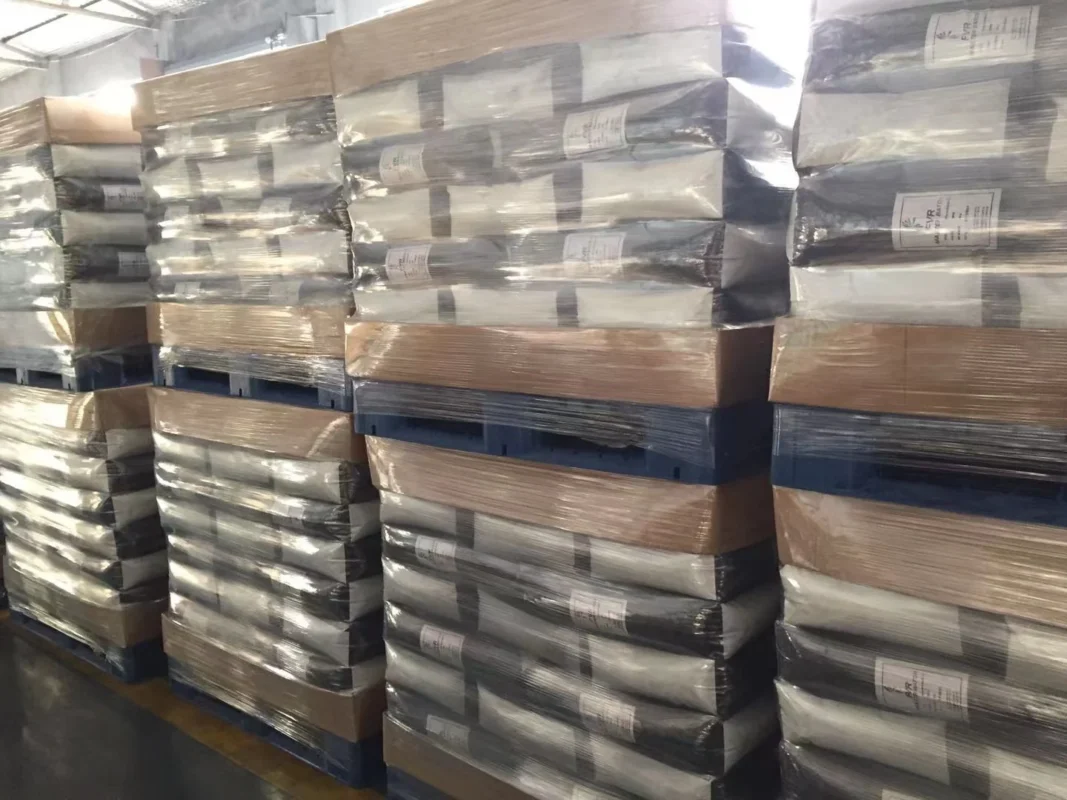
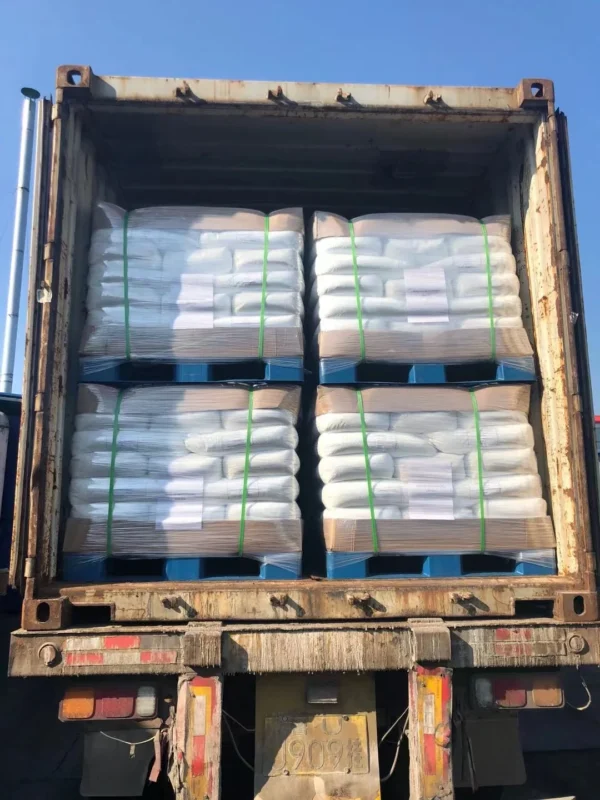
MIRACLE states that bag format, pack size, labels and pallet arrangements can be discussed around the order. For an importer, these choices should support the way the material will be received and used. Do not infer a fixed bag weight or standard loading configuration from a warehouse photograph.
Decide which references the receiving team needs to see on the material. If your business uses a local stock code, clarify its relationship with the manufacturer’s material identity. If different customers require separate approved materials, retain those distinctions in the packing discussion rather than grouping everything under one broad description of black masterbatch.
The destination and order quantity also belong in that conversation. The practical arrangement should be confirmed for the selected material and shipment, not assumed to match another importer’s order. A clear identification plan makes the direct manufacturing relationship useful beyond the sample stage, when the material must move through an actual warehouse.
Use the receiving check to confirm identity before opening production stock
When the order arrives, connect the delivered references with the purchase documentation and accepted material. The receiving team should know which stock is intended for the evaluated application. An appearance check of loose pellets can support identification, but it does not replace the established trial basis for the finished film or part.
For a distributor, avoid reclassifying distinct materials into one local stock simply because all the pellets are black. Preserve the information needed to supply the correct customer and application. If a receiving observation does not match the agreed description, retain the material identity and evidence while discussing it with the supplier rather than blending stock before the question is understood.
A receiving review can be organized around the order’s actual decisions:
- The selected MIRACLE material reference and the customer application it was approved for.
- The agreed pack identification and its connection to any local stock code.
- The current documents that were requested and confirmed for that material.
- The retained trial or appearance reference used to evaluate the first production use.
This is not a universal acceptance standard. It keeps a first black-material receipt tied to the specific decisions made before dispatch. Any additional inspection, handling or end-use requirement should be agreed for the actual material and application.
Plan the first production use without treating arrival as application approval
The shipment’s arrival and the factory’s application release are different events. A receiving team can confirm that the identified material and agreed packing have arrived, while production still needs to follow the evaluation basis established for the selected black concentrate. Preserve that distinction if the first commercial quantity will be used in a film or molded product that has only recently completed development.
Before the run, make the accepted sample and material reference available to the people who will judge the result. Use the actual resin and product conditions that define the approved comparison. If the factory has changed them since the development review, identify the change before using the new output as evidence that the delivered concentrate differs from the proposal.
Agree what receiving or first-use sample records are appropriate for this material and order. The intention is not to prescribe a universal inspection frequency or require every bag to be opened. It is to retain enough identified information that a later question about a particular film or component can be discussed with MIRACLE against the correct delivery and application context.
Photographs can help communicate the condition of the packaging or a visible production concern. They should not quietly replace an agreed physical appearance reference for the black product. A picture taken on a phone may show the issue you want to discuss without proving a difference in hiding or surface appearance under the original comparison conditions.
This preparation makes the manufacturer relationship useful after dispatch as well as before it. The importer, converter and material team can discuss the actual first-use observation instead of reconstructing which concentrate, resin and reference were involved after stocks have already been mixed or issued to several customers.
Keep a functional requirement visible in the black order
MIRACLE’s functional portfolio includes anti-aging, UV, PPA, antistatic and antiblocking categories. If your black product needs a defined function, identify it before order release. The material’s black color does not establish an outdoor lifetime, electrical behavior or another unconfirmed performance claim.
The broader custom-color range and white PE/PP range can support other customer requirements, but they should retain their own selected identities and approvals. A first import order can cover more than one material family without allowing the commercial consolidation to erase technical differences.
MIRACLE’s manufacturing approach describes incoming-material monitoring, initial examination and checks during production. These practices give a buyer concrete topics to discuss with the manufacturer. They should remain connected to the selected material rather than expanded into an invented certificate, a universal test result or a promise about every product in the portfolio.
Make the second black order easier by preserving the first decision
A successful first import purchase should leave more than a familiar supplier name. It should leave a clear link between the accepted application, selected material, actual delivered identity and agreed commercial conditions. That gives the next purchasing discussion a useful starting point without assuming that changes in resin or product form require no further review.
The broader guide to an export-ready masterbatch brief covers the relationship between material and supply preparation. For a component-focused program, the discussion of PP black materials for molded components keeps the part’s requirements separate from the concentrate’s appearance.
MIRACLE’s Qingdao manufacturing base, black material family, development support and configurable packaging create a practical supply conversation for overseas buyers. Use that combination to make the first order specific enough that your receiving and production teams can recognize the same material decision when the shipment reaches them.