
Working with a Masterbatch Supplier in China on an Export-Ready Material Brief
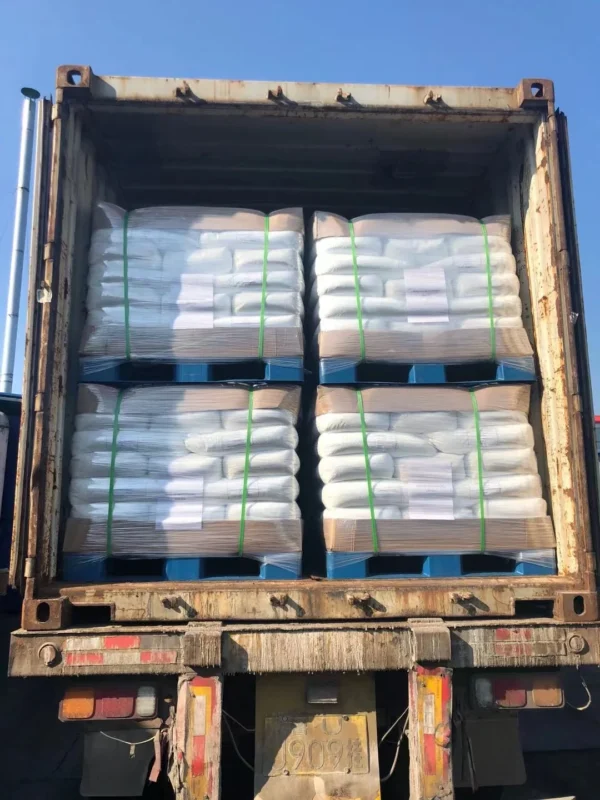
An overseas masterbatch order begins before a shipping date is discussed. When choosing a masterbatch supplier in China, a converter or importer needs the proposed material, its intended application and its receiving requirements to describe the same purchase. MIRACLE GROUP CORPORATION LIMITED is based in Qingdao and combines masterbatch manufacturing, in-house development and international customer service. Its PE/PP, PET and nonwoven families give buyers a direct manufacturing route without treating every color request as the same material.
Start with the polymer, the finished product and the appearance or functional objective. Then connect the approved material reference to the requested documents, packaging and destination. This makes an export brief useful to production and purchasing at the same time, rather than leaving the commercial team to interpret an incomplete technical enquiry.
A masterbatch supplier in China needs more than a destination country
Picture an importer receiving enquiries from a film converter and a molded-products manufacturer. Both customers ask for a white concentrate, but their resins, product thicknesses and acceptance samples differ. The importer’s first task is to keep those requirements distinct while discussing supply from one manufacturer. This is a typical sourcing scenario, not a specific customer case or a claim about a completed MIRACLE shipment.
MIRACLE’s white masterbatch family covers PE/PP coloring, with a published series range of 20%–80% TiO₂. That is useful product information, but it is not enough to identify what either customer should order. A specific proposal still needs the intended polymer, white tone and opacity objective, together with an application evaluation basis.
The destination country matters because documents and customer requirements can differ, not because the name of a country automatically establishes a grade’s suitability. State the actual end use and any requested declarations. Obtain the current information relevant to the proposed material instead of assuming that a company-level reference to a framework applies identically to every product.
MIRACLE’s international perspective is supported by its own company information, which describes work across multiple export markets. The practical advantage for a buyer is an established place for technical and supply discussions within the same materials business. It should not be expanded into an invented local warehouse, guaranteed stock availability or a fixed transit service.
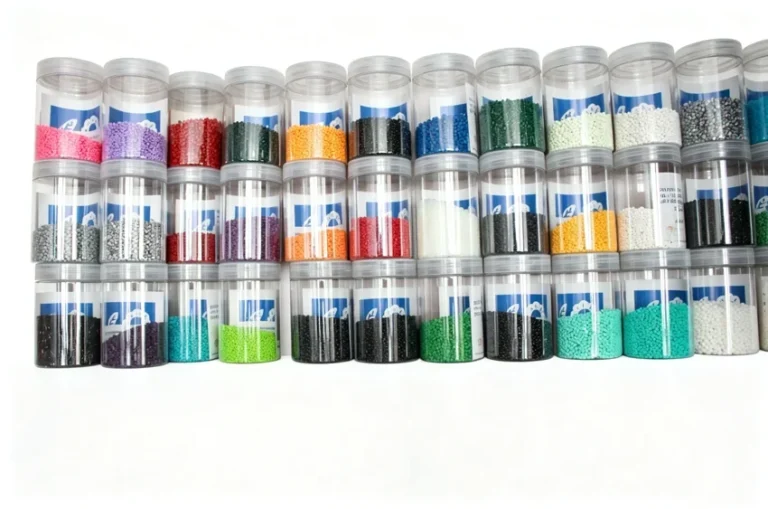
Separate the manufacturer’s identity from the material approval
A direct relationship with a manufacturer can help when questions about formulation, pilot samples and order preparation must be resolved together. MIRACLE’s company overview identifies its polymer-material manufacturing business in Qingdao and explains its masterbatch foundation, in-house development and expansion into TPE/TPU production.
Those company facts answer who is behind the material conversation. They do not, by themselves, select a grade for the buyer’s particular line. Keep the business identity, the technical proposal and the purchase reference connected, but do not use one as a substitute for the other. This is particularly important when an importer handles several material families under a single supplier account.
PE/PP color orders should name the actual production resin
For MIRACLE’s customizable color masterbatch, provide the resin and manufacturing method alongside the shade reference. A color sample sent without that context may leave important questions unanswered when the quotation reaches the purchasing department. The goal is to retain a clear connection between the sample that was evaluated and the product that will be made.
If a buyer later changes the resin or the finished article, identify the change rather than assuming the original approval covers it. The export distance makes a precise technical exchange more valuable: a clear photograph, identified retained sample and written trial basis are easier to discuss than a report that the color simply looks “different” after the shipment arrives.
PET masterbatch documents belong to the PET proposal
MIRACLE’s PET carrier family provides a separate route for relevant polyester requirements, including custom color discussions for glossy products. State whether the intended appearance is transparent or opaque and retain the actual process information. Do not copy a PE/PP request and change only the polymer name.
Documentation should likewise follow the proposed material. A document prepared for another family, application or destination may not answer the buyer’s question. Where the end customer requires a particular declaration or technical field, identify it before order confirmation so its availability and relevance can be reviewed without confusing an expected document with an existing approval.
Nonwoven supply briefs need the fabric-making context
The nonwoven masterbatch range is described around fabric coloring and stable coloring in the wire-drawing process. A fabric producer should specify the polymer, production route and target fabric appearance. An importer should preserve that information when communicating with the manufacturer instead of reducing the requirement to a generic colored pellet.
A request involving a special fabric end use should make that use explicit. The existence of a nonwoven family is not proof of suitability for every filtration, medical or hygiene specification. The correct commercial advantage is access to a dedicated material discussion, supported by the project’s actual requirements and the documents applicable to the selected grade.
Make packaging part of the approved masterbatch order
MIRACLE states that packaging can be customized around order requirements. The published discussion includes bag format, pack size, labeling and pallet arrangements. For an overseas buyer, these are practical decisions because the material must be identified and handled correctly after it has left the manufacturer’s site.
A distributor preparing to supply two white materials should decide how the labels will distinguish them before both arrive in the same warehouse. The material reference should remain recognizable even if the two concentrates look similar. If the end customer uses an internal material code, discuss how it will be related to the manufacturer’s reference rather than allowing the two identities to drift apart.
Agree the actual packaging configuration instead of inferring a fixed bag weight from a photograph. A published ability to discuss pack size is not a promise that every configuration is available for every order. Quantity, handling needs and the selected material should all be considered when the packing arrangement is confirmed.
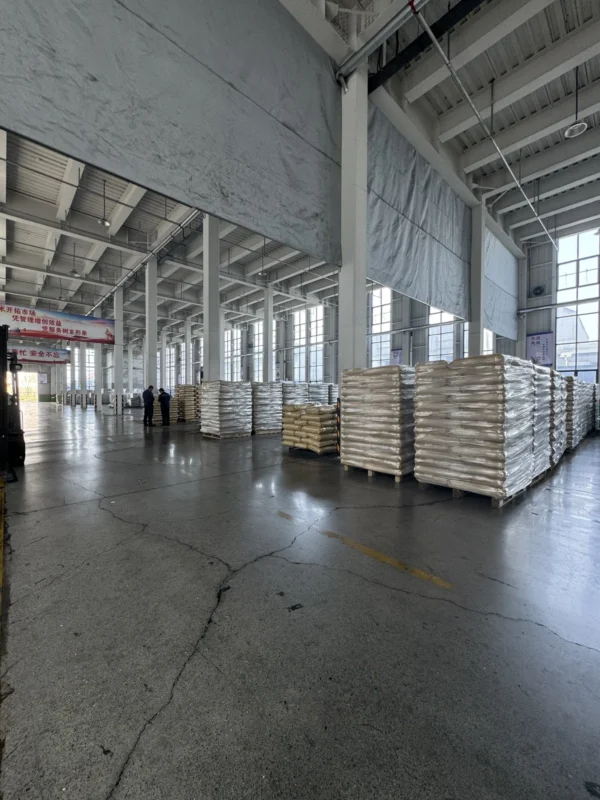
For a receiving team, the most useful label is one that connects the delivered material to the approved purchasing and production reference. Decorative branding alone cannot do that job. Keep the agreed identification, the material family and the order record clear enough that a warehouse operator does not have to guess which similar-looking bag belongs to which customer.
Match masterbatch paperwork to the receiving decision
MIRACLE’s document-request approach asks the buyer to identify the product family, intended use and destination market. Use that route to distinguish what production needs to select the material from what a receiving team needs to handle it. A broad company presentation can introduce the business, but it should not be mistaken for the technical information of an identified concentrate.
For a proposed color or white material, request the current technical information relevant to that grade and the processing questions still under review. Where a safety data sheet is needed, connect the request to the same material identity. Where the customer requires a particular compliance declaration, specify the end use and market rather than sending an unexplained list of abbreviations.
Keep requested and confirmed documents in separate columns of the order discussion. That prevents an importer from forwarding an expectation to a downstream customer as though it were an issued declaration. It also gives MIRACLE’s team a clear list of the information that remains to be reviewed before the commercial requirements are settled.
For mixed orders, avoid attaching one document set to an entire shipment without confirming its scope. A PET color proposal and a PE/PP white proposal do not become the same material because they share a pallet or a supplier. Documentation is most useful when the receiving team can follow it back to the specific material line that has been approved.
China masterbatch sourcing works better when trials and commercial release stay connected
A second situation is an established converter replacing an earlier source. The buyer already knows the target appearance and annual purchasing pattern, but the new manufacturer still needs a relevant evaluation basis. A previous supplier’s commercial description is not a complete development brief, especially if the original formulation is confidential or the customer’s resin has changed.
MIRACLE’s in-house development and pilot-scale sample evaluation provide a useful route for that conversation. The buyer can explain the existing product, share an appropriate reference and describe the actual manufacturing conditions. The aim is to evaluate a proposed material against the product requirement, not to promise that an unknown proprietary recipe can simply be reproduced.
Once a direction is accepted, carry the material reference into the purchase documentation and agreed packaging. If the order includes a separate functional objective, describe it explicitly. MIRACLE’s functional portfolio lists options such as UV, PPA, antistatic and antiblocking; their availability as categories does not establish that a particular combination has been selected for the approved color material.
The article on organizing a mixed PE, PP and PET sourcing program explains how to retain those family boundaries. The same logic is helpful when one export order serves several lines: commercial consolidation should not erase the technical distinctions that make each material useful.
Keep quotation timing separate from transport assumptions
Manufacturing preparation, packaging readiness and international transport are related, but they are not the same event. MIRACLE’s supply discussion asks buyers to share quantity, destination, required documents and packing requirements. Those details give the parties a better basis for agreeing what must happen before dispatch.
Do not assume a standard lead time, a particular trade term or an included freight service unless it is stated in the actual quotation. A buyer planning a trial and a buyer replenishing an approved repeat order may need different commercial discussions. The agreed schedule should reflect the selected material and order rather than an expectation drawn from another company’s website.
Technical and commercial preparation can still proceed in a coordinated way. While the customer evaluates the material, purchasing can clarify how the proposed grade will be identified, which documents are required and what receiving conditions must be supported. The benefit is not a guaranteed shorter delivery; it is less ambiguity about what the order needs before the parties confirm it.
General masterbatch terminology also helps keep export communication precise. Ampacet’s masterbatch definition describes a concentrated coloring or additive material carried in a compatible medium. In a purchasing brief, that means identifying the concentrate’s role and intended base polymer, rather than calling every bag of colored granules a finished resin.
Release the overseas order against a brief your factory can recognize
Before approving an export purchase, read the technical proposal and the receiving instructions together. They should point to the same material family, selected reference, intended use and agreed packaging. If a required declaration has not been confirmed, keep it as an unresolved requirement rather than describing it as an established product credential.
MIRACLE’s value as a Qingdao manufacturer and supplier is strongest when its production, development and international service are used together. A buyer can discuss custom color, carrier choice and practical supply requirements through one materials relationship while maintaining a clear approval basis for each application.
A shipment is easier to receive when its identity has already been settled. Make the order specific enough that the laboratory sample, purchasing record and delivered bag all lead the factory back to the same intended job. For black material programs, the separate guide to reviewing a black masterbatch supplier before the first container develops that receiving perspective around a more focused product family.