
A PE Masterbatch Supplier for Film, Bags and Molded Polyethylene
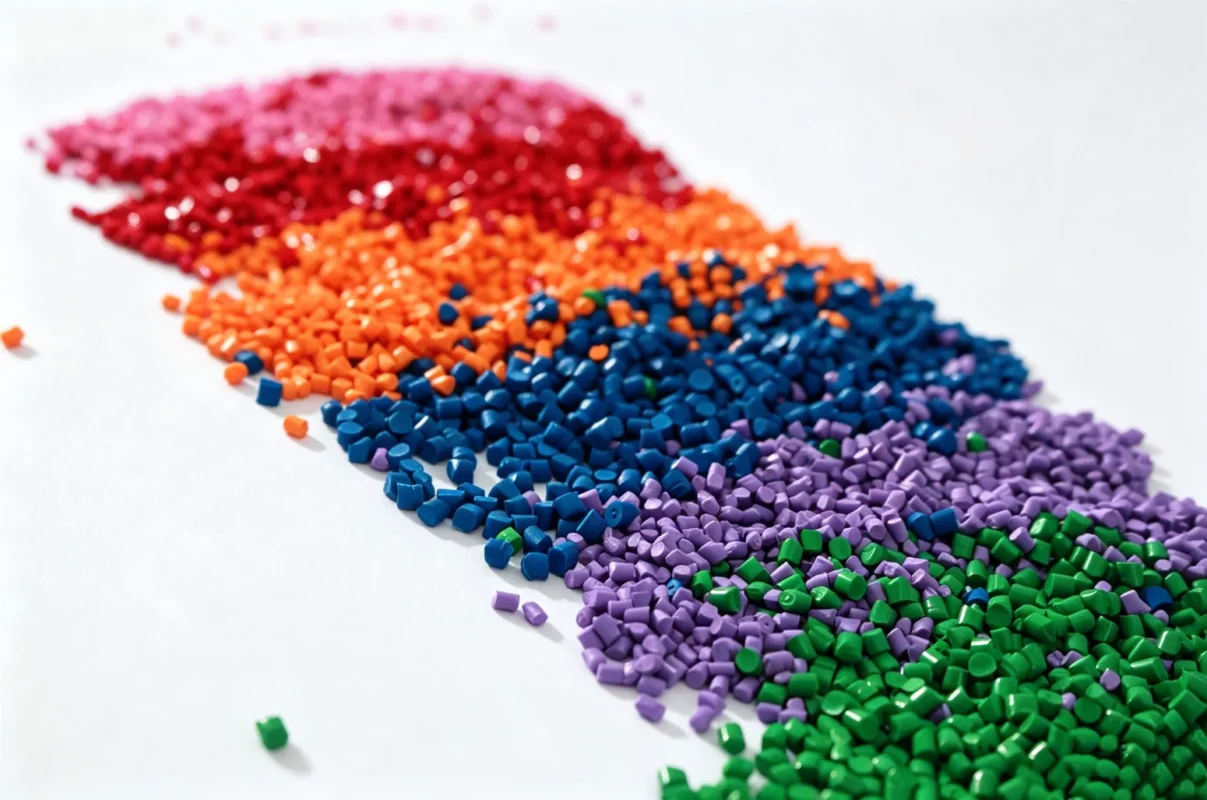
A PE film converter and a manufacturer of molded polyethylene goods can buy from the same materials business without needing the same concentrate. A PE masterbatch supplier should first understand the actual polyethylene, the product and the manufacturing method. MIRACLE’s PE/PP-based range includes customizable colors, black and white masterbatch, alongside functional options and in-house development. This gives buyers a direct manufacturing route for discussing the appearance and material objectives of their own PE production.
Begin with the resin used on the line, not only the word PE. Then identify the finished article, intended color and any function beyond appearance. The selected proposal can be evaluated against that job instead of being treated as universally suitable because another polyethylene customer has already approved a similar-looking sample.
A PE masterbatch supplier should distinguish the polyethylene job before discussing the shade
PE is a useful material-family description, but it is not a complete production brief. A converter may be making a thin bag, another packaging film or a more substantial plastic article. The intended thickness, surface and manufacturing conditions influence what needs to be judged in the finished result. Retain those details before the enquiry is reduced to a broad color name.
MIRACLE’s masterbatch range separates color, black, white and functional discussions so the buyer can identify the appropriate starting point. Its PE/PP category is not a statement that every listed material is already approved for every polyethylene grade and process. The actual production resin remains part of selecting a proposal.
A direct relationship with the manufacturer is useful when the buyer can explain what the material is expected to do in the article. MIRACLE combines production with in-house development and pilot-scale sample evaluation. The opportunity is to investigate a relevant material direction, not to replace the customer’s application information with a universal compatibility assumption.
PE shopping-bag color belongs to the finished film
For a shopping bag or similar film product, decide whether the appearance should be translucent, opaque or meet another stated target. Keep the intended film form and thickness context with the reference. A pellet sample can introduce a material direction, but it does not show how the proposed concentrate will appear in the actual bag.
MIRACLE’s customizable PE/PP color family provides a route for that discussion. Send the color reference together with the resin and process information. If the design later changes the film thickness, identify the change rather than treating an earlier sample as an unlimited appearance approval.
White PE packaging needs a tone and hiding objective
The white masterbatch family is published with 20%–80% TiO₂ across different requirements. That is concentrate-family information, not a universal addition recipe. A buyer should establish the desired white appearance and the relevant background visibility before comparing proposed materials solely by their concentration.
A package intended to conceal its contents can present a different question from a white film chosen mainly for its tone. State the product requirement in a form the material team can discuss and the converter can evaluate. The accepted finished film should remain connected to the selected proposal and the conditions used to make it.
Black PE articles need the relevant visual and use requirements
MIRACLE’s black family lists 18%–50% carbon black across applications. A thin film and a thicker PE article can expose different appearance priorities, so the concentrate percentage should not stand in for a completed product review. Identify the actual form and the black appearance that needs to be approved.
Do not infer a defined outdoor lifetime, electrical behavior or other function from the fact that a product is black. If a separate function is required, put it into the material brief. The selected formulation and the intended application need to be discussed together rather than assumed from a familiar color description.
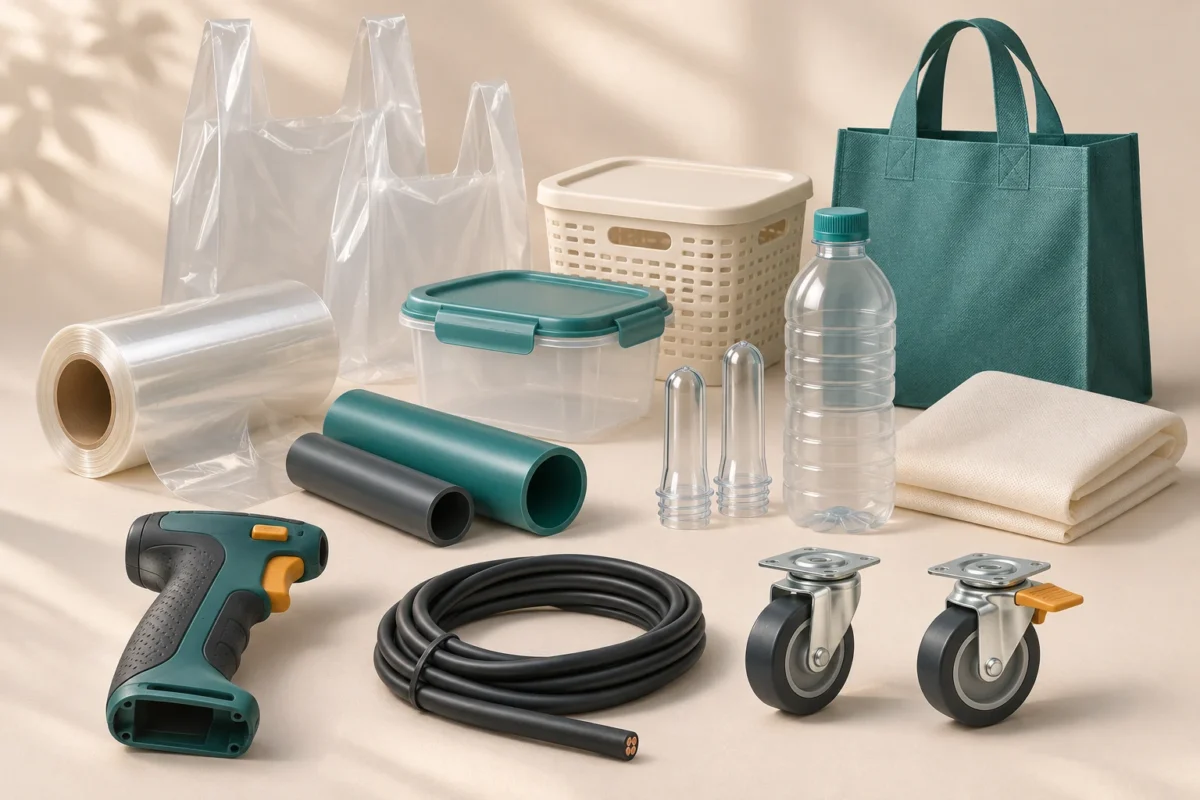
Compare PE film and molded-product needs without making one trial represent both
A processor may want to reduce its number of stocked concentrates by using one material across several PE products. That is a legitimate purchasing objective, but it does not itself establish suitability. Describe all intended uses and keep the corresponding samples and requirements visible during the discussion with MIRACLE.
For film, the relevant appearance may involve thickness and background. For a molded product, the visible surface and geometry can matter. A concentrate accepted in one form should not silently acquire an approval in another just because the factory already holds the bags. The proposed reuse deserves a product-specific review.
The same principle applies to the resin identity. If a factory processes more than one polyethylene grade, identify which one was used in each trial. An abbreviated stockroom description saying PE color may be sufficient to locate a shelf, but it is not sufficient to explain why two products should share a technical approval.
For the broader material map, MIRACLE also offers PET-based and nonwoven families. Their presence helps a buyer recognize when a request belongs to a separate carrier or production context. It should not encourage a PE enquiry to inherit a different family’s assumptions without a confirmed proposal.
Give PE functional requirements their own place in the selection
MIRACLE’s functional masterbatch portfolio includes anti-aging, UV, PPA, antistatic and antiblocking categories. If a PE project needs one of these functions, describe the actual objective and the product in which it matters. A request for better processing is less useful than an explanation of the observed issue and the conditions under review.
Keep color and function distinguishable even if a combined route is discussed. A sample accepted for shade does not automatically prove that a separate processing or end-use requirement has been met. Confirm what the proposed material includes and how the relevant requirement will be evaluated for the selected grade and application.
For a film converter, this can prevent a common communication gap: purchasing approves a color proposal while production assumes a separately requested function has already been included. MIRACLE’s connected portfolio supports bringing both questions into one manufacturing discussion, while the buyer preserves a clear distinction between requested and confirmed material features.

Use PE trial feedback to separate material and processing observations
If a trial produces an unexpected result, describe it in terms the material team can review. Distinguish shade, hiding, visible nonuniformity and other surface observations. Identify the resin, concentrate and relevant process conditions. A general statement that the material is unsuitable may leave the supplier unable to tell which part of the trial needs attention.
Ampacet’s technical explanation of gel-related problems separates dispersion, distribution and degradation concerns. This supports a general diagnostic principle: a visible defect needs to be identified before a remedy is chosen. It does not establish a particular cause or prescribed machine adjustment for a MIRACLE trial.
MIRACLE’s in-house development and pilot-scale preparation provide a practical route for discussing a proposed material against a defined question. The customer contributes the actual production context. Together, those inputs can make the next evaluation more focused than simply asking for a stronger color or increasing concentrate addition without understanding what changed.
Record the PE resin change before interpreting a different color result
A buyer may change the base resin for purchasing or production reasons while keeping a familiar masterbatch reference. If the finished appearance changes, identify the resin change before treating the comparison as a direct repeat of the earlier approval. The selected concentrate should remain associated with the system in which it was actually evaluated.
This does not mean every resin change will create an unacceptable product. That conclusion would require evidence from the actual application. It means the manufacturer and converter need an accurate account of what was run before they can interpret the result or decide whether another material proposal should be considered.
If the customer still needs to establish the production resin, make that part of the initial enquiry. MIRACLE’s PE/PP family provides a broad starting route, while the final material discussion should identify the actual polymer and process under review. Keeping an open decision visible is more useful than hiding it inside a broad compatibility request.
A PE pipe enquiry should not be reduced to an ordinary black-color choice
MIRACLE’s application overview includes pipes, alongside film and molded products. If the intended job is a pipe, identify the pipe application and its actual requirements before treating a familiar black concentrate as an automatic selection. A broad masterbatch family and a black appearance do not establish approval for a specific pressure, service or project specification.
For this kind of enquiry, retain the actual polyethylene resin, manufacturing context and applicable customer requirements. The selected material route needs to be reviewed for that defined use. Do not copy a film approval or use the published 18%–50% carbon black range as though it were a complete pipe-material specification.
Ampacet’s pipe-compound discussion provides industry context for the importance of carrier and melt behavior in demanding pipe applications. It does not establish that MIRACLE has a particular pipe approval, specified composition or application result.
The useful supplier conversation is about what can be proposed and documented for the actual requirement. If a project needs a confirmed approval or test that has not been established, keep that requirement unresolved rather than presenting an ordinary black-color option as an equivalent. This is a boundary of material selection, not a judgment that every PE product faces the same conditions.
MIRACLE’s broader manufacturing and development perspective can help the buyer identify the information needed for that discussion. The converter or project team should retain responsibility for defining the finished application and its acceptance requirements, so the final material decision is not made from color or a familiar stock code alone.
Make the PE order repeat the selected material, not a family-wide description
MIRACLE describes incoming-material attention, process control, initial examination and samples taken during manufacture. These are useful features of a manufacturer-backed relationship. The buyer should connect the commercial order with the specific material proposal and relevant requirements that were accepted, rather than cite a broad color family as the entire specification.
Packaging can be discussed around bag format, pack size, labeling and pallet arrangements. A factory holding several PE concentrates should preserve the selected material references in the agreed identification. Similar pellet appearance or an informal shade nickname should not be the only information available to the team issuing material to the line.
Keep quantity, destination, required documents and schedule requirements attached to the selected order. No fixed bag weight, minimum quantity or delivery promise follows merely from the existence of the product range. The actual commercial arrangement should be confirmed for the material and application being supplied.
Choose a PE supply route that your production team can explain
MIRACLE’s color, black, white and functional families give polyethylene processors several relevant material discussions within one manufacturing relationship. The practical benefit is the ability to connect appearance and other material objectives with in-house development, rather than treat every concentrate as a catalog color detached from production.
The discussion of PE color when film gauge changes develops the thin-film appearance question. The comparison of PE black concentrate for film and thicker parts considers another product-specific distinction. For a general sourcing map, the mixed-material program guide keeps those PE choices separate from PET and other families.
The strongest PE purchase is one the factory can connect to its actual resin, evaluated product and selected material reference. Bring those details to MIRACLE early, preserve what the trial actually shows and let the commercial order repeat that defined decision instead of a broad assumption about all polyethylene products.